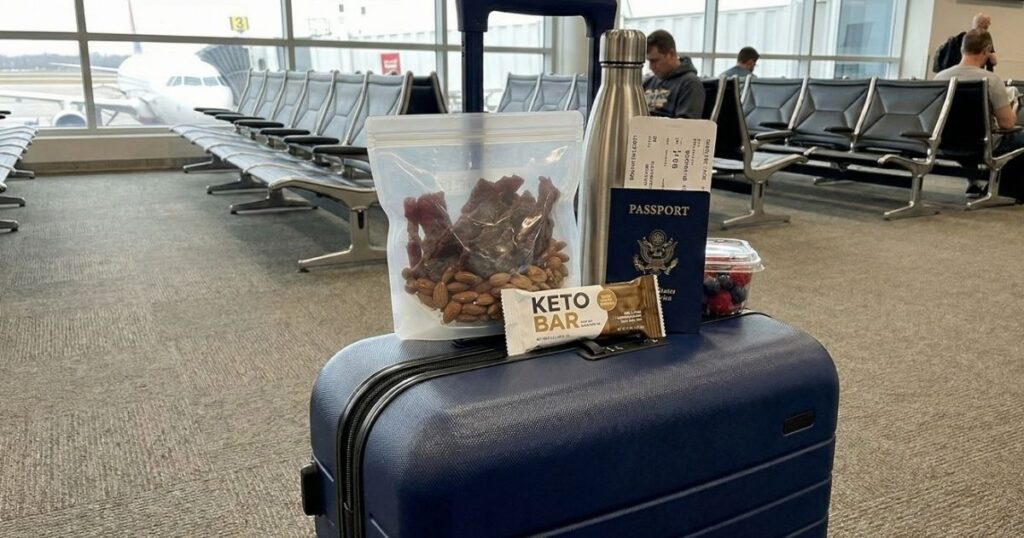
How to navigate airports, airplanes, and hotel buffets without ruining your health goals.
We all know the feeling. You’ve been consistent with your low-carb lifestyle for weeks. You’re feeling energized, less bloated, and proud of your progress. Then, vacation rolls around.
Suddenly, you are thrust into a chaotic environment of grab-and-go kiosks, fast-food terminals, and the overwhelming scent of cinnamon rolls wafting through the airport gate. Traveling is arguably one of the hardest times to stick to a healthy diet. Between the stress of TSA lines, the boredom of a long flight, and the “vacation mode” mentality, it is incredibly easy to throw in the towel and survive on pretzels and overpriced sandwiches.
But travel doesn’t have to equal derailment. In fact, sticking to low-carb foods while flying can actually help you combat jet lag and arrive at your destination feeling refreshed rather than sluggish.
When you bite into one of these homemade treats mid-flight, you get that soft, fudge-like texture that feels incredibly indulgent, almost like eating cookie dough. It satisfies that sweet tooth without the sugar crash, and because they are packed with protein, just one or two keeps me full until we reach the hotel.
Over the years, I’ve mastered the art of the “Low-Carb Travel Day.” It requires a little bit of strategy and a mindset shift, but it is entirely possible to enjoy your trip without compromising your health. In this ultimate guide, I’m breaking down exactly how to handle every stage of your trip, from the packing phase to the hotel breakfast buffet.
The “Pre-Flight” Prep (Your Best Defense)
The golden rule of healthy travel is simple: Don’t rely on the airport to feed you.
While airports have improved their food options in recent years, they are still dominated by high-carb, high-sugar, and highly processed foods. Even the options that look healthy like pre-packaged salads or yogurt parfaits are often loaded with hidden sugars and preservatives.
If you want to maintain control over your ingredients, you have to bring your own supply. Not only does this save you a significant amount of money (airport markups are wild!), but it also guarantees you have safe, low-carb fuel when hunger strikes at 30,000 feet.
Mastering the TSA-Friendly Snack PackMany people hesitate to bring food because they are worried about security regulations. The general rule is: Solids are fine; liquids and pastes are limited. You can absolutely bring a feast through security as long as it isn’t liquid.
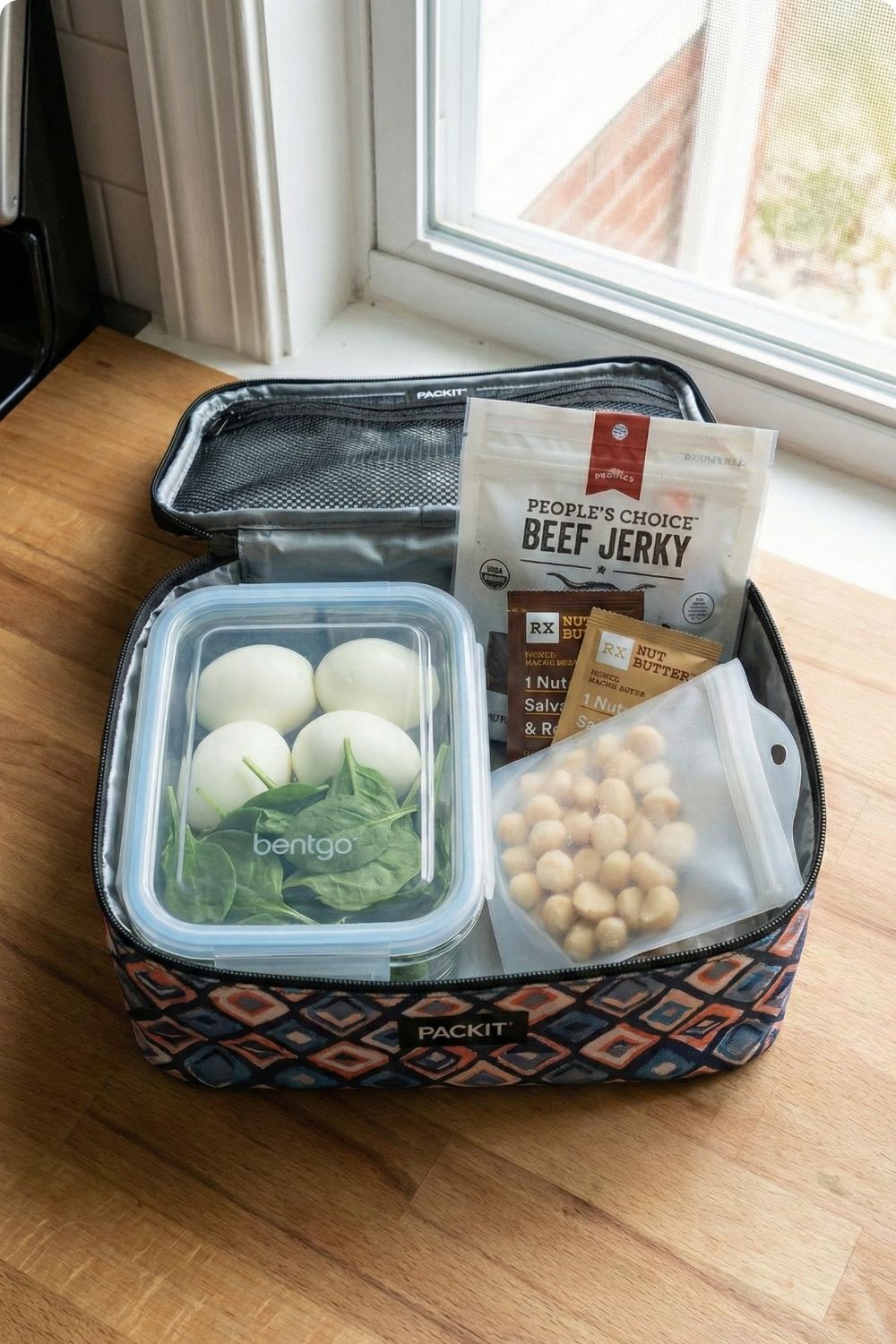
Here is my go-to shopping list for packing a low-carb carry-on:
1. Hard-Boiled Eggs
These are nature’s perfect portable protein. They are incredibly filling and durable.
- Travel Tip: Peel them before you leave home to avoid the mess on the plane/train. Pack them in a small Tupperware container with a paper towel to absorb moisture.
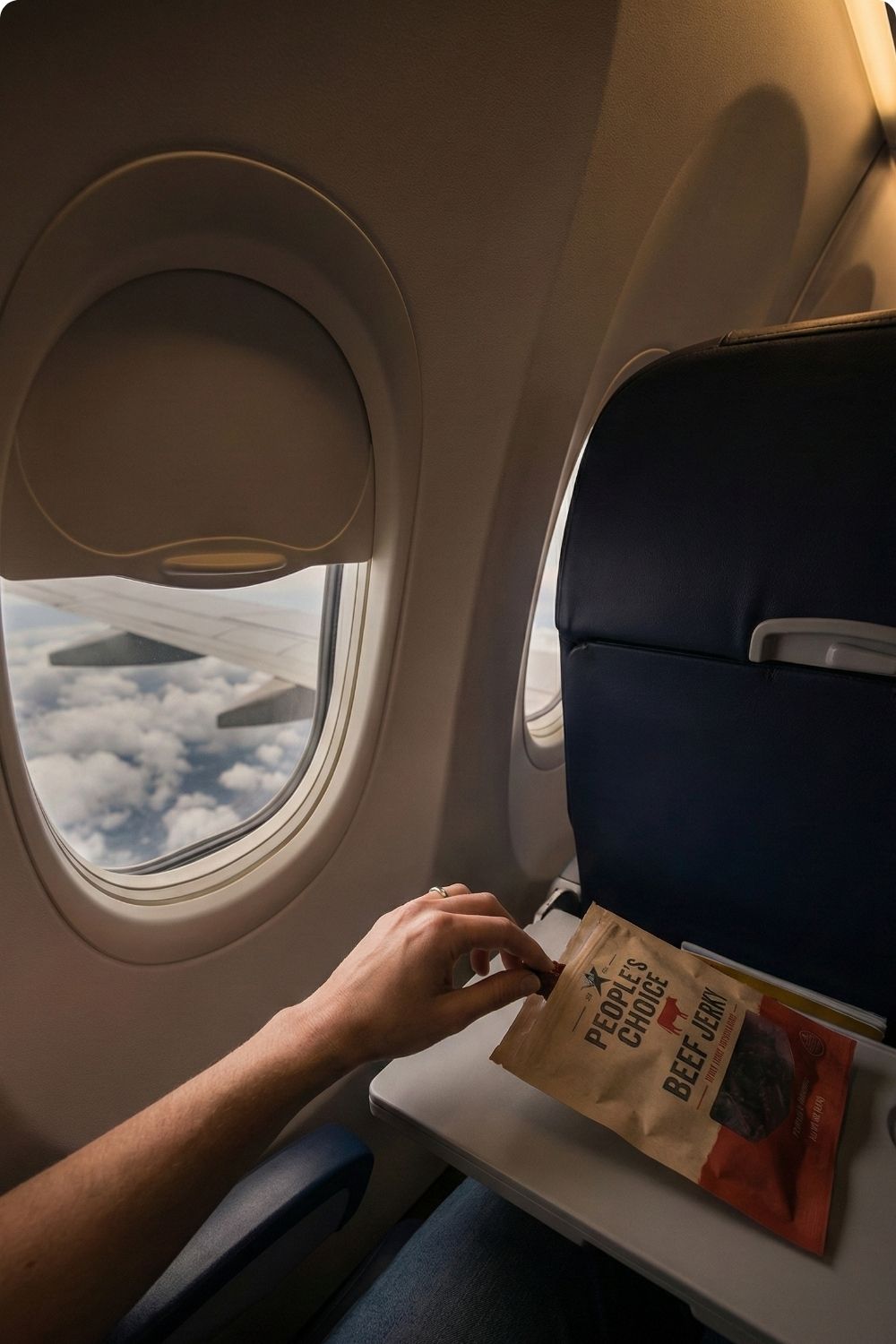
2. Beef Jerky or Biltong
Meat sticks are a travel staple, but you have to be a label detective. Many commercial brands cure their meat with brown sugar, maple syrup, or cane sugar. Look for “Zero Sugar” options or Biltong, which is traditionally air-dried and cured with vinegar and spices rather than sugar.
3. Single-Serve Nut Butter Packets
While you can’t bring a jar of peanut butter (it counts as a liquid/paste), many brands now sell single-serving squeeze packs that are usually under the 3.4oz limit. Squeezing almond butter onto a celery stick mid-flight is a lifesaver.
4. Low-Glycemic Nuts and Seeds
Macadamia nuts, pecans, and walnuts are the kings of low-carb snacking. They are high in healthy fats which keep you satiated for hours.
- Warning: It is very easy to mindlessly eat 1,000 calories of nuts while watching an in-flight movie. I highly recommend pre-portioning these into small Ziploc bags so you don’t accidentally overeat.
5. Homemade Treats (The Best Option)
If you have time the night before, baking your own snacks is the ultimate hack. I always try to whip up a batch of my low-carb protein balls or savory muffins before a big trip.
When you bite into one of these homemade treats mid-flight, you get that soft, fudge-like texture that feels incredibly indulgent, almost like eating cookie dough. It satisfies that sweet tooth without the sugar crash, and because they are packed with protein, just one or two keeps me full until we reach the hotel.”
Hydration Strategy
Flying is incredibly dehydrating. Dehydration often masks itself as hunger, leading you to snack when you are actually just thirsty.
- Bring an Empty Bottle: Pack a large, empty insulated water bottle in your carry-on. Once you pass security, find a filling station.
- Electrolytes: I always travel with electrolyte powder packets (check that they are sugar-free). Adding this to your water can help prevent travel headaches and keep your energy levels up.
Reminder: Please remember to double-check health claims and nutritional labels, as formulations can change.
Airport Survival Guide (When You Didn’t Pack Snacks)
Let’s be realistic. Sometimes, despite our best intentions, life happens. You overslept, you rushed out the door without your cooler bag, or your flight got delayed for four hours and you’ve already eaten your emergency stash. Now you are stuck in Terminal B with a rumbling stomach and limited options.
Do not panic. The airport is no longer the nutritional wasteland it used to be. You just need to know exactly what to look for and more importantly, what to ignore.
The “Newsstand” Scan (Hudson News & Convenience Stores)
Almost every terminal has a convenience store. This is usually your safest bet for pre-packaged, macro-friendly foods. Walk past the wall of candy bars and head to the refrigerated section.
- Cheese Snacks: Look for individual wheels of wax-covered cheese (like Babybel) or string cheese. These are processed, yes, but they are generally zero-carb and provide a good hit of fat to keep you full.
- Pork Rinds (Chicharrones): If you crave that “chip” crunch, look for pork rinds. Unlike potato chips, they are zero-carb. They give you that satisfying, airy crunch that snaps in your mouth the kind of texture you usually miss when you give up potato chips. It hits that salty, savory craving perfectly without the carb load.
- Protein Bars (Read the Label!): This is a tricky category. Most “protein” bars are just candy bars in disguise. Flip the package over and look at the “Total Carbohydrates” minus “Fiber” and “Sugar Alcohols.” Avoid anything with dates, honey, or agave listed as the first ingredient. Stick to bars that specifically market themselves as “Keto” or low-sugar.
The Coffee Shop Hack (Starbucks, Dunkin’, & Local Cafes)
Coffee shops are a sanctuary for low-carb travelers, provided you know how to order.
- The Drink: Avoid the lattes and frappuccinos, which are essentially milkshakes. Order a Drip Coffee, Americano, or Cold Brew. Ask for a splash of Heavy Whipping Cream (most shops have this behind the counter, even if it’s not on the menu) instead of milk. Heavy cream has fewer carbs than whole milk or oat milk.
- The Food: Look for Sous Vide Egg Bites. These are often excellent, but be careful some varieties have starch added to fluff them up. Always check the nutritional info on their app if you can.
- Bun-less Sandwiches: Don’t be afraid to order a sausage, egg, and cheese breakfast sandwich and simply toss the English muffin. It feels wasteful, but your health is the priority here.
The Food Court Strategy
If you need a substantial meal, the food court is manageable if you customize.
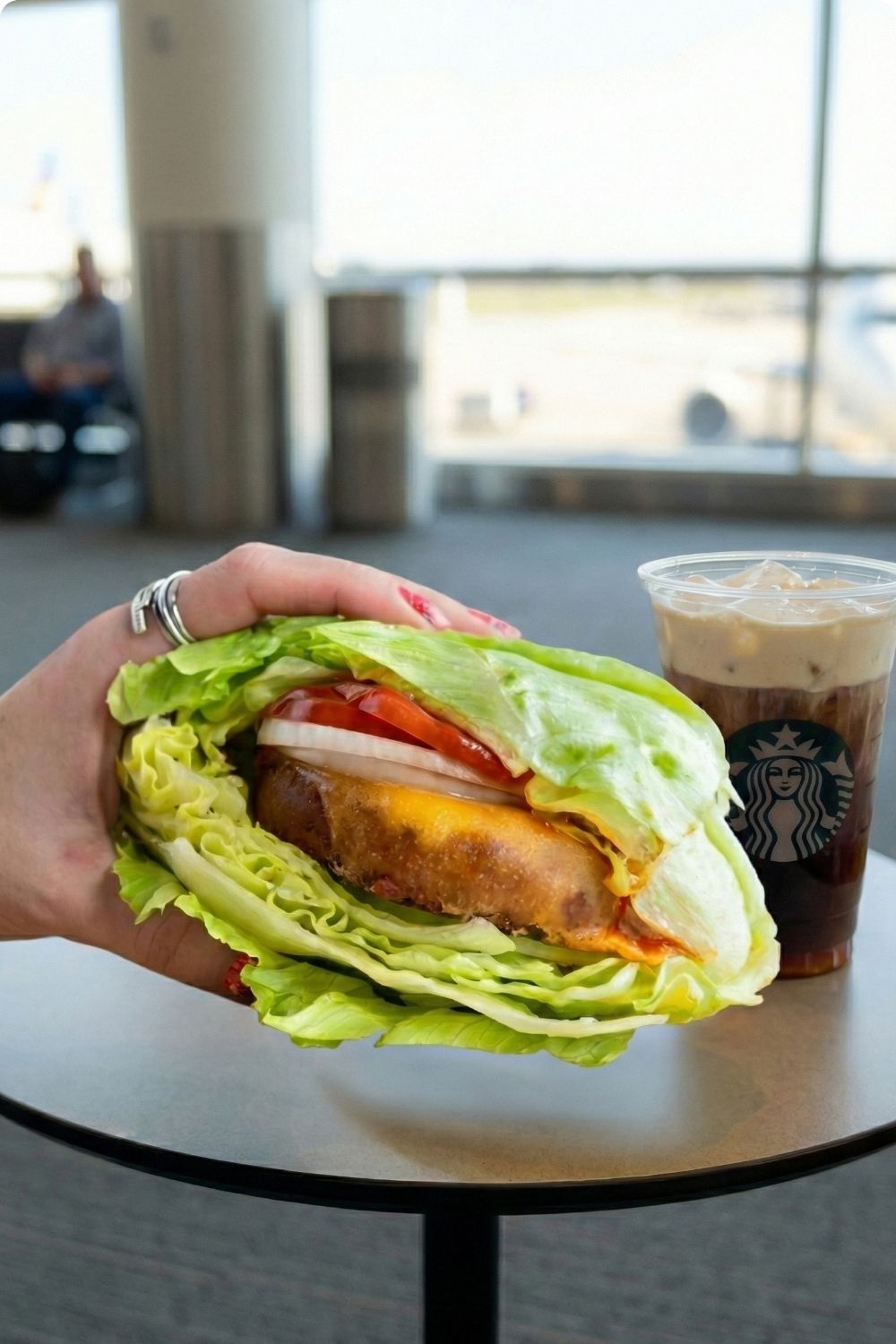
- Burger Joints: Order a double cheeseburger wrapped in lettuce. If they can’t do a lettuce wrap, order it normally and eat it with a knife and fork, leaving the bun behind. Skip the ketchup (it’s pure sugar) and opt for mustard or mayo.
- Mexican Chains: A burrito bowl is a low-carb traveler’s best friend. Ask for a bowl with no rice and no beans. Load up on the meat (carnitas or steak usually have the least sugary marinades), cheese, sour cream, and guacamole. The high fat content in the guac will keep you full for the entire flight.
The Hotel Strategy (Surviving the Buffet)
You’ve landed, you’ve checked in, and now you have to navigate eating while staying in a hotel. Whether you are traveling for business or pleasure, the hotel environment is designed for convenience, not health.
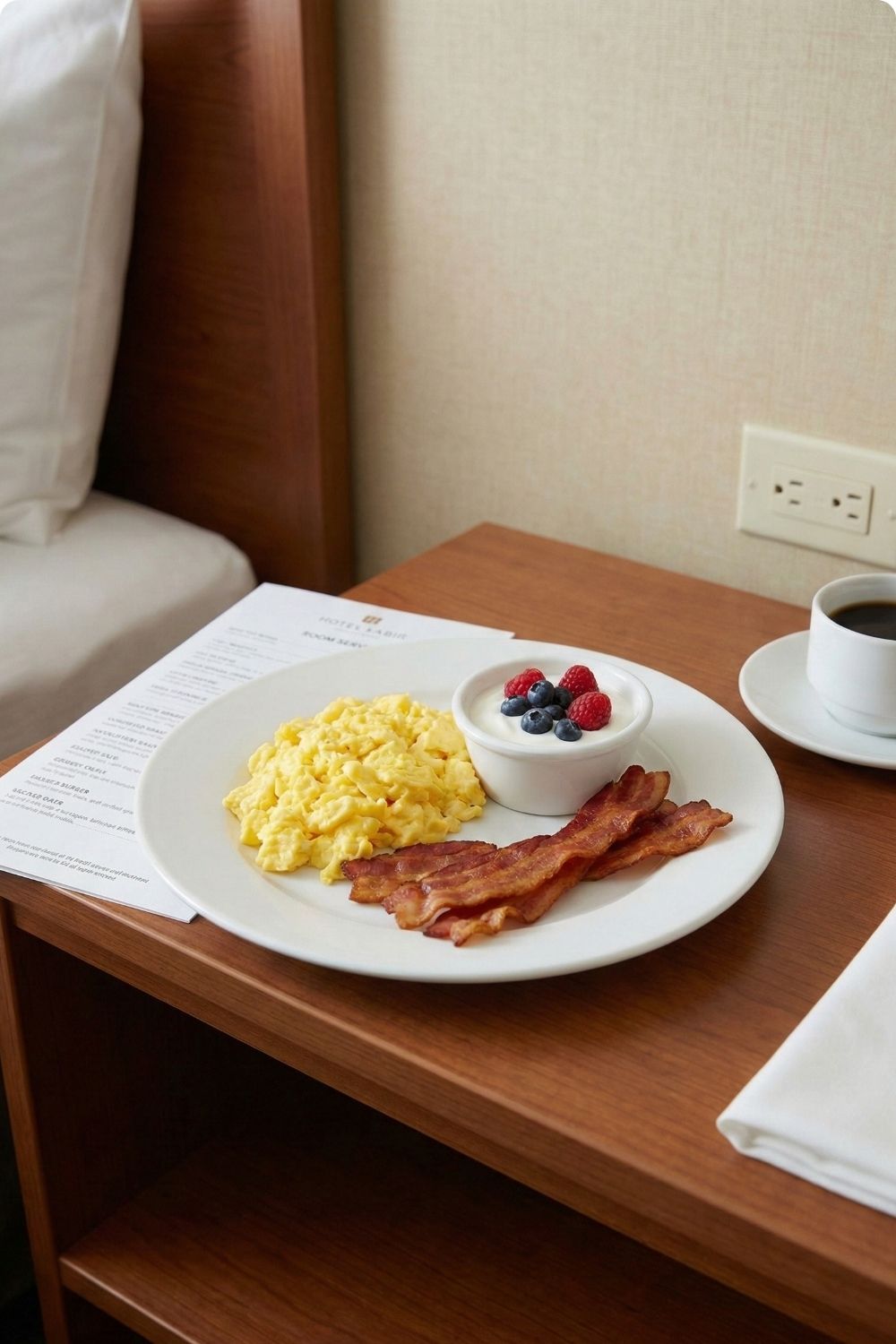
conquering the Breakfast Buffet
The “Continental Breakfast” is notoriously carb-heavy. It is usually a sea of pastries, waffles, sugary cereals, and juice machines. However, if you look closely, you can almost always build a high-quality low-carb plate.
1. The Omelet Station is King
If your hotel has a made-to-order egg station, go there immediately. This is the freshest food you will get. Load your omelet with spinach, mushrooms, cheese, and meats. Ask them to cook it in real butter if possible.
Warning: If there is no chef and only a tray of pre-made scrambled eggs, proceed with caution. Many hotels use powdered eggs or “egg mixes” that contain pancake batter to make the eggs fluffier. If the eggs look unusually perfectly yellow and spongy, stick to hard-boiled eggs if available.
2. The Meat Tray
Bacon and sausage links are generally safe, though cheaper sausages may have wheat fillers. Bacon is usually your safest bet for a zero-carb side.
3. The Yogurt Trap
Be very careful with the yogurt station. Most hotel yogurts are pre-sweetened “Vanilla” or “Strawberry” flavors loaded with sugar. Only eat it if you can find a tub explicitly labeled “Plain” or “Greek Plain.” You can sweeten it yourself with a packet of stevia you brought from home or top it with a few fresh berries from the fruit station.
Room Service & Dining Out
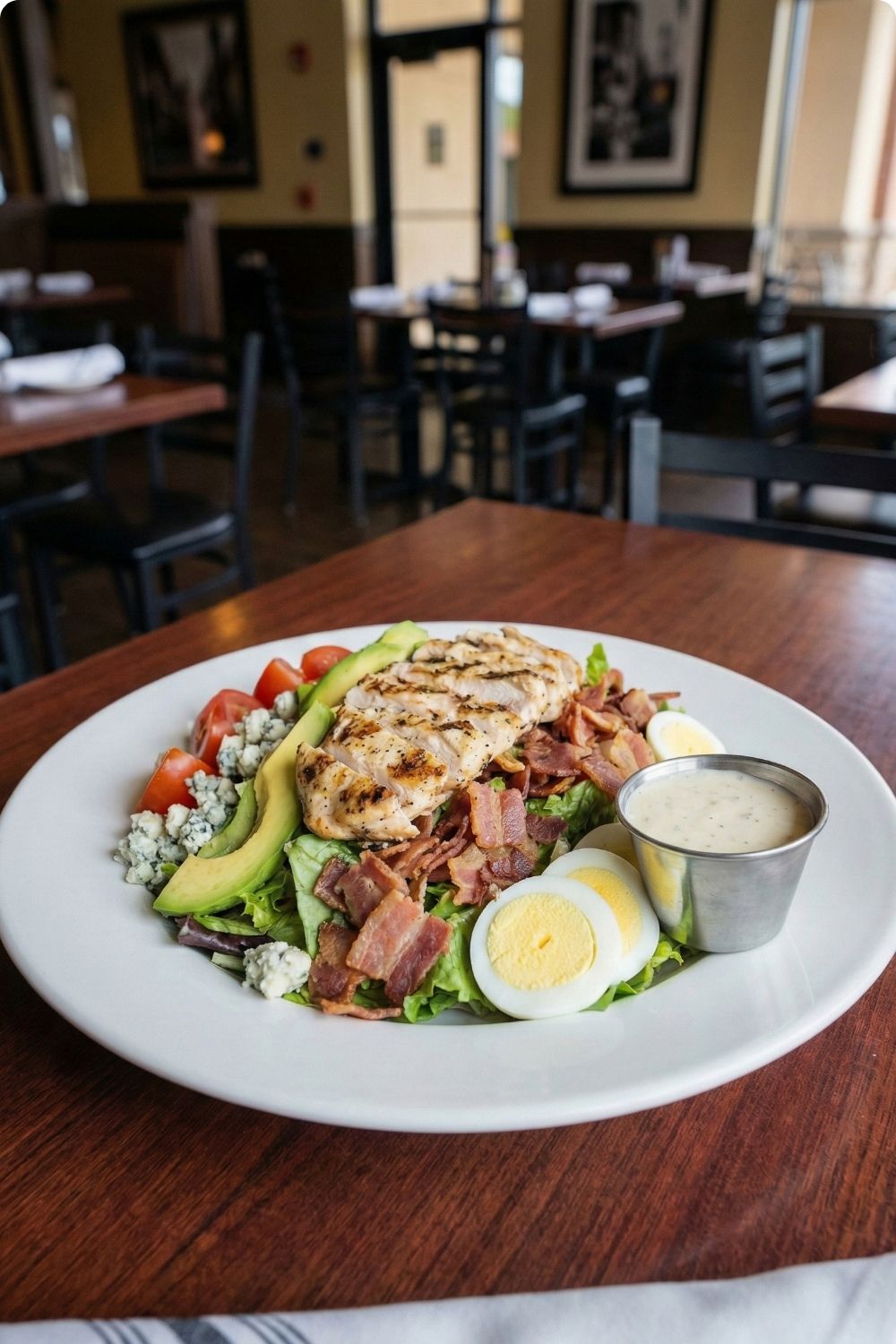
When ordering room service or eating at the hotel restaurant, you are the paying customer do not be afraid to be high-maintenance.
- Swap the Sides: Most entrees come with fries, mashed potatoes, or rice. Immediately ask to swap the starch for “Double Vegetables” or a “Side Salad.” Most servers are happy to do this.
- Sauce on the Side: Restaurant sauces are the number one hidden source of carbs and seed oils. Whether it’s a salad dressing or a steak sauce, always ask for it on the side so you can control the amount you eat.
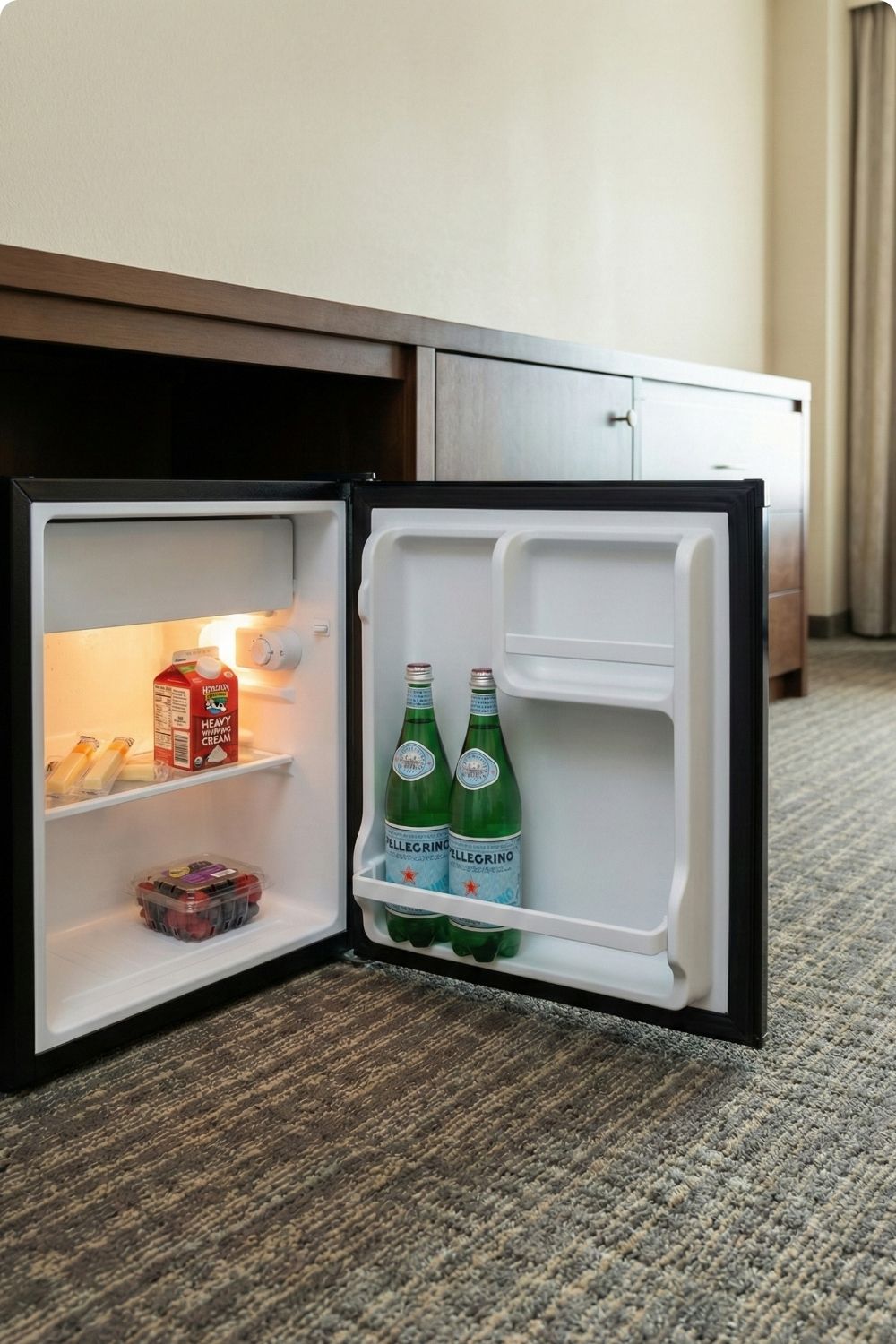
- The Mini-Fridge Hack: If your room has a mini-fridge, clear out the expensive sodas and chocolates (check with the front desk first to ensure you aren’t charged for moving items!). Go to a local grocery store and stock your fridge with:
- Sparkling water.
- Heavy cream (for your morning coffee).
- Cold cuts and cheese for late-night snacks.
I once stayed at a hotel where the only room service option was a massive pasta dish or a club sandwich. I called down and simply asked, ‘Is it possible to get the grilled chicken from the club sandwich, but placed on top of a large house salad instead of the bread?’ The kitchen didn’t even blink. They sent up a beautiful, huge salad with extra avocado. It reminded me that you don’t get what you don’t ask for most kitchens are happy to accommodate.
Health Reminder: Always double-check health claims and nutritional information, especially with restaurant food where ingredients aren’t listed on the menu. Hidden sugars are common in marinades and dressings.
The Low-Carb Travel Kit (Supplements & Essentials)
When you are at home, you have your routine. You have your filtered water, your specific vitamins, and your comfortable bed. Travel throws all of that out the window. To combat the stress travel places on your body, I recommend packing a small “wellness kit.”
This isn’t about being high-maintenance; it’s about bio-hacking your travel so you don’t arrive feeling depleted.
1. Electrolytes are Non-Negotiable
If you follow a low-carb or keto lifestyle, you already know the importance of electrolytes. Without carbohydrates to hold onto water, your body flushes out sodium, potassium, and magnesium rapidly. Add in the ultra-dry air of an airplane cabin (which usually has humidity levels lower than the Sahara Desert), and you have a recipe for dehydration, headaches, and brain fog.
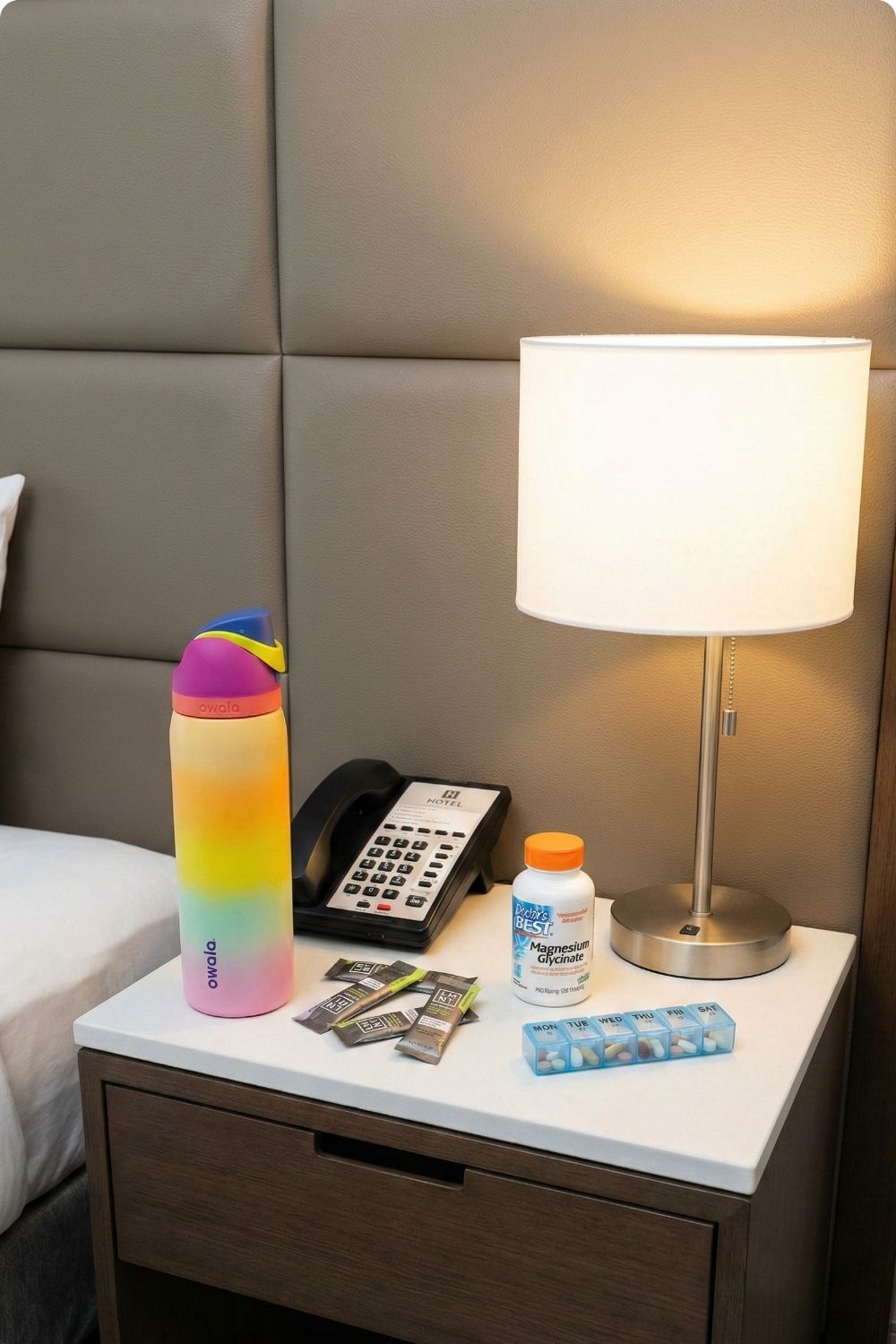
- The Strategy: I never get on a plane without electrolyte stick packs. They are TSA-friendly and easy to dump into a water bottle. Look for brands with zero sugar and a good sodium content.
There was one flight where I thought drinking plain water was enough. I chugged water the whole way, but I still landed with a pounding headache and felt dizzy standing at the baggage claim. I realized I was flushing out my minerals. Now, I never fly without dumping an electrolyte packet into my bottle before takeoff, and I haven’t had a ‘travel headache’ since.
2. Magnesium for Hotel Sleep
Sleeping in a new bed, often with different pillows and ambient noise, can wreck your sleep quality. Poor sleep leads to cortisol spikes, and high cortisol makes you crave sugar. It’s a vicious cycle.
- The Strategy: I take Magnesium Glycinate before bed when traveling. It helps relax the muscles and nervous system, promoting deeper sleep even in an unfamiliar hotel room.
3. Digestive Enzymes
Let’s be honest: even if you order the “safe” foods at a restaurant, you don’t know what oils they are cooking with. Restaurants often use seed oils (like canola or soybean oil) which can be inflammatory.
- The Strategy: taking a digestive enzyme before a heavy restaurant meal can help your body break down fats and proteins more efficiently, reducing that heavy, bloated feeling you often get after dining out.
The Travel Mindset (The 80/20 Rule)
This is arguably the most important section of this entire guide.
We often fall into the trap of “All or Nothing” thinking. We tell ourselves, “Well, I ate a fry off my friend’s plate, so I’ve ruined my diet. I might as well order the cheesecake and eat pancakes for breakfast tomorrow.
This mentality is what causes weight gain during travel not the one cookie you ate, but the week of indulging that followed it.
The “One Bite” Rule
If you are traveling to a new country or city known for a specific food like pasta in Italy or a croissant in Paris it is okay to try it. You are experiencing a culture. The trick is to have a few bites to experience the flavor and texture, rather than consuming a massive portion just because it’s there.
I pay attention to the experience the warmth of the fresh bread, the richness of the butter, the way the pastry flakes apart. By truly focusing on those sensory details for just two or three bites, I usually find that my curiosity is satisfied, and I don’t feel the need to eat the entire basket.

The “Next Meal” Reset
If you do indulge or find yourself in a situation where low-carb options simply aren’t available, give yourself grace. Do not beat yourself up. Simply make the very next meal a healthy one. If you had a carb-heavy lunch, have a protein-focused dinner with greens. This prevents the “spiral” and keeps your blood sugar relatively stable.
You Can Travel AND Thrive
Traveling is one of life’s greatest joys. It expands our horizons, introduces us to new people, and breaks us out of our daily ruts. It should not be a source of anxiety about food.
By preparing ahead with a few TSA-friendly snacks, knowing how to navigate a menu, and keeping your hydration in check, you can absolutely maintain your low-carb lifestyle on the road. You will find that when you fuel your body correctly, you actually have more energy to explore, hike, swim, and enjoy your vacation, rather than needing a nap after every meal.
Pack your snacks, drink your water, and enjoy your trip!
Disclaimer: Please remember to double-check all health claims and consult with a medical professional before starting new supplements or making significant changes to your diet, especially if you have underlying health conditions.