We spend hundreds sometimes thousands of dollars on serums, creams, and complicated 10-step skincare routines in pursuit of that elusive “glass skin” look. But after years of battling dullness and frustrating breakouts, I realized the uncomfortable truth: the real secret to glowing skin isn’t in a Sephora bottle. It’s on your fork.
if you are struggling with skin that looks inflamed, tired, or is showing premature signs of aging, your diet is almost certainly playing a major role.
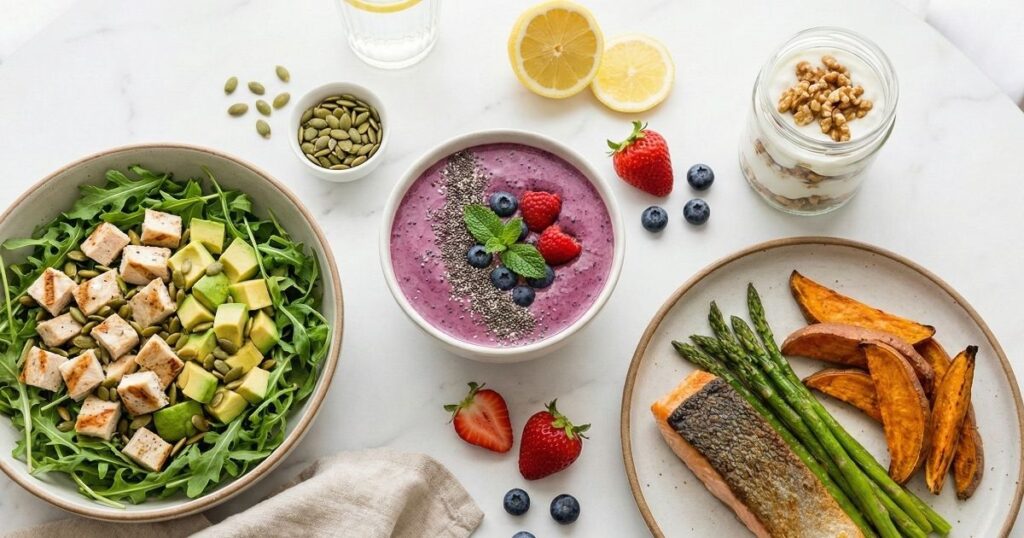
Today, I’m pulling back the curtain on exactly what I eat in a day for glowing skin. This isn’t just a gallery of pretty food photos; it’s a strategic, science-backed approach focusing on high protein for structure and low sugar to reduce inflammation.
My Skin Story: Why I Made the Switch
For years, I was trapped in a cycle of frustrating skin issues. In my early twenties, my skin was constantly inflamed. I dealt with cystic breakouts around my jawline and a general dullness that no amount of highlighter could fix. I thought I was eating “healthy” because I ate plenty of fruit and granola bars, but I was ignoring the massive amounts of hidden sugars spiking my insulin all day long.
The turning point for me was diving deep into nutritional science and learning about glycation.
Put simply, when you eat excess sugar, it enters your bloodstream and attaches itself to proteins. The proteins skin cares about most are collagen and elastin the very things that keep your face plump and firm. When sugar attaches to them, it weakens them, leading to sagging and wrinkles.
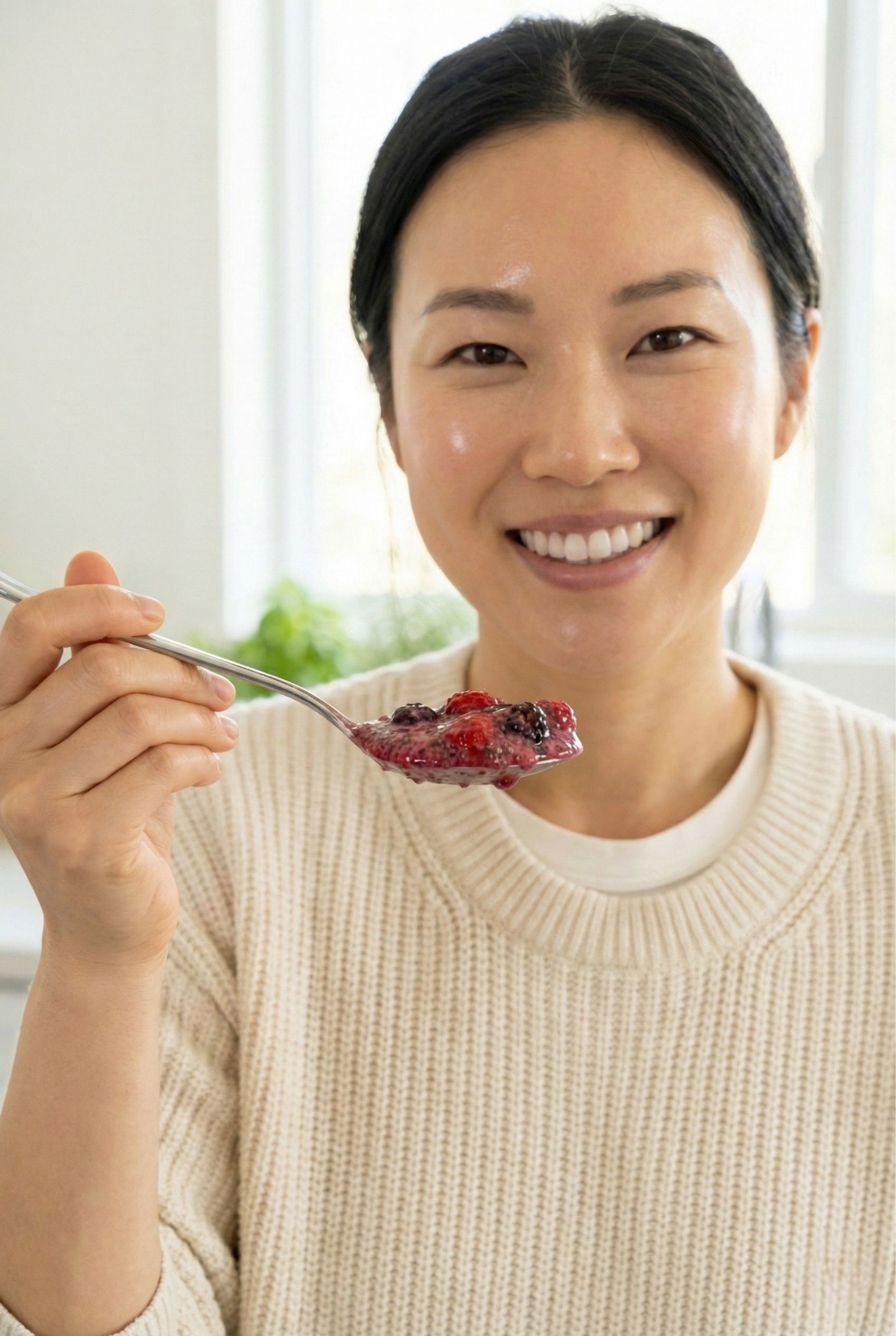
Once I understood that my high-sugar “healthy” snacks were actively breaking down my collagen, I overhauled my diet. I switched to a high-protein approach to provide the building blocks for repair, and drastically cut added sugars to stop the damage. The result? Six weeks later, the inflammation had calmed down, and my skin had a clarity I hadn’t seen since I was a teenager.
The 3 Pillars of the “Skin-Glow” Diet
Before we get to the food, here is the criteria I use to build my meals. Every plate needs to support one of these three pillars:
1. The Collagen Builders (High Protein):
You cannot build firm skin without adequate protein. Protein provides the amino acids (like glycine, proline, and lysine) essential for collagen synthesis. If you aren’t eating enough protein, your body won’t have the raw materials to repair skin cells.
2. The Anti-Inflammatories (Low Sugar/Low Glycemic):
Keeping blood sugar stable is crucial. High-glycemic foods spike insulin, which increases oil production and contributes to acne and inflammation. By keeping sugar low, we keep cortisol and inflammation low.
3. The Glow Barrier (Healthy Fats & Hydration):
Your skin has a lipid barrier that keeps moisture in and bacteria out. To keep skin plump and “dewy,” you need healthy fats (Omega-3s) to fortify that barrier, alongside massive hydration.
The Daily Breakdown: What I Eat
Here is a typical day of eating tailored to support clear, hydrated, and resilient skin.
7:30 AM | Hydration First
Before coffee, before food, I drink 16 ounces of room-temperature water with a squeeze of fresh lemon. I keep this up by carrying my 40oz Tumbler with me everywhere so I never forget to sip. This kickstarts digestion and aids the liver in flushing out toxins that can otherwise manifest on the skin.
8:30 AM | Breakfast: The Collagen-Boosting Smoothie Bowl
Breakfast is where I prioritize Vitamin C and protein. Vitamin C is a non-negotiable co-factor for collagen production; your body literally cannot turn amino acids into collagen without it.
I usually opt for a high-protein smoothie rather than eggs on busy mornings because it’s hydrating.
- The Meal: A thick smoothie bowl made with 1 scoop of vanilla whey isolate protein powder (or a high-quality plant-based blend), 1/2 cup of frozen mixed berries (strawberries and blueberries), a handful of spinach (you can’t taste it!), 1 tablespoon of chia seeds, and unsweetened almond milk.
- The Texture & Taste: Because I use frozen fruit and less liquid, this comes out thick like soft-serve ice cream rather than a watery drink. It’s incredibly refreshing, creamy, and has a bright, tart berry flavor without being overly sweet. The chia seeds add a subtle, satisfying crunch if you sprinkle some on top.
- Why This Helps Your Skin: We are hitting the protein requirement immediately for cell repair. The berries offer anthocyanins (powerful antioxidants that fight UV damage), and the spinach provides Vitamin A for cell turnover. The chia seeds offer a hit of healthy fats for hydration.
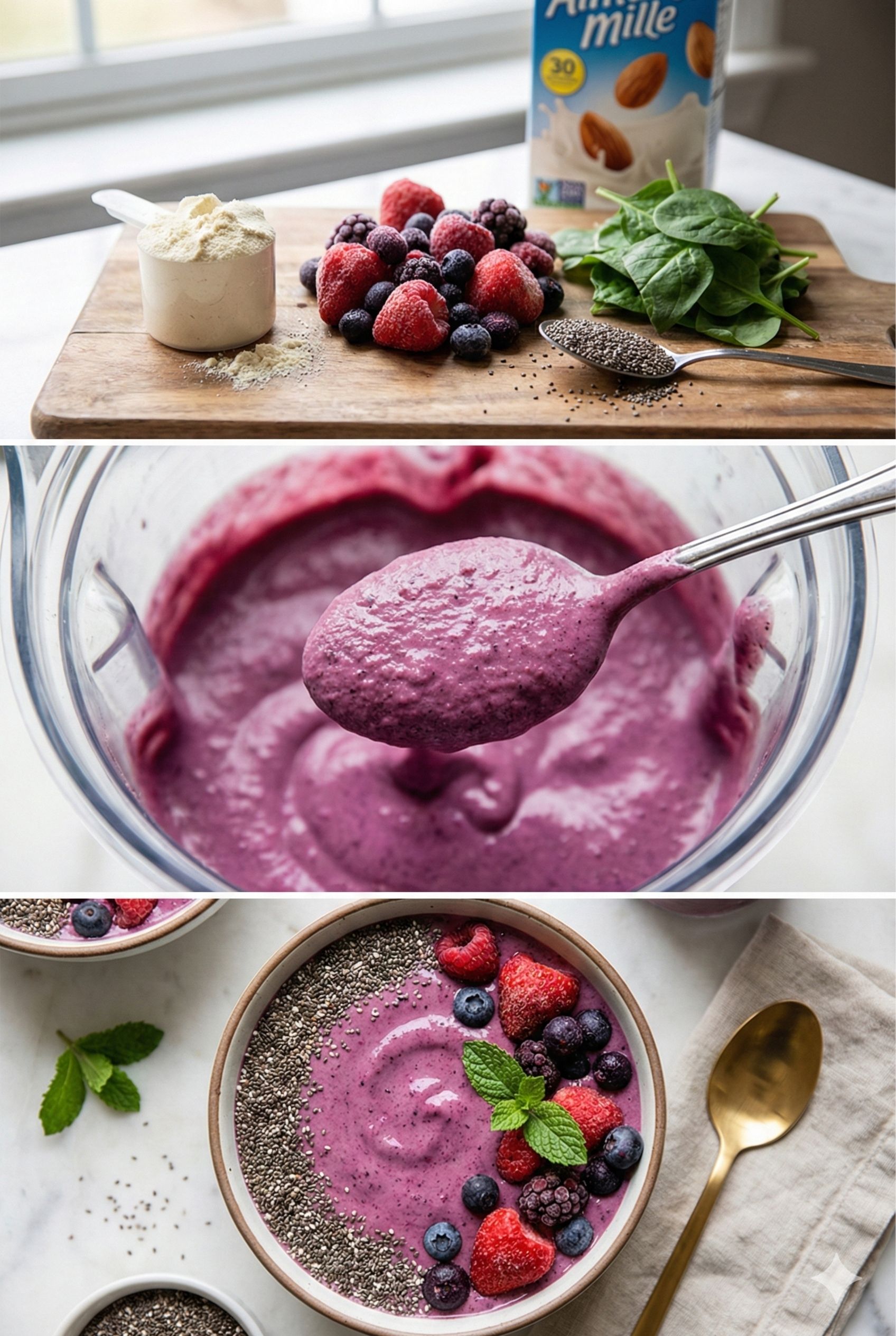
[Skin Hero Nutrient Highlight] Vitamin C (Strawberries): Essential for cross-linking collagen fibers to make skin firm.
Protein (Whey/Plant Powder): Provides the amino acid building blocks for skin structure.
- Related Recipe: If you prefer a savory start, check out my high-protein [Egg White Frittata Recipe here] which is also packed with veggies.
1:00 PM | Lunch: The “Volume Eating” Greens Bowl
For lunch, my focus is fiber and volume. Gut health is inextricably linked to skin health (the gut-skin axis). A sluggish digestion system often shows up as congested skin. I aim for a massive salad that fills me up without spiking my blood sugar, which helps avoid that mid-afternoon energy slump.
- The Meal: The “Big Ass Salad.” I start with a massive base of dark leafy greens (arugula and kale mix). I top it with 4-5 oz of grilled chicken breast or leftover turkey for protein. Then, I add color: cucumber slices, radishes, 1/4 avocado, and a sprinkle of pumpkin seeds. The dressing is crucial it must be low sugar. I use nothing but extra virgin olive oil, apple cider vinegar, salt, and pepper.
- The Texture & Taste: This meal is all about varied textures. You get the peppery bite of the arugula, the refreshing crunch of the cucumber and radish, and the creamy richness of the avocado, all anchored by the savory, char-grilled flavor of the chicken. It feels substantial and satisfying.
- Why This Helps Your Skin: This meal is a low-glycemic powerhouse. The fiber from the greens keeps your blood sugar perfectly stable. The avocado provides monounsaturated fats to keep the skin barrier supple, and pumpkin seeds are one of the best plant sources of Zinc. Zinc is incredibly important for healing blemishes and reducing inflammation.
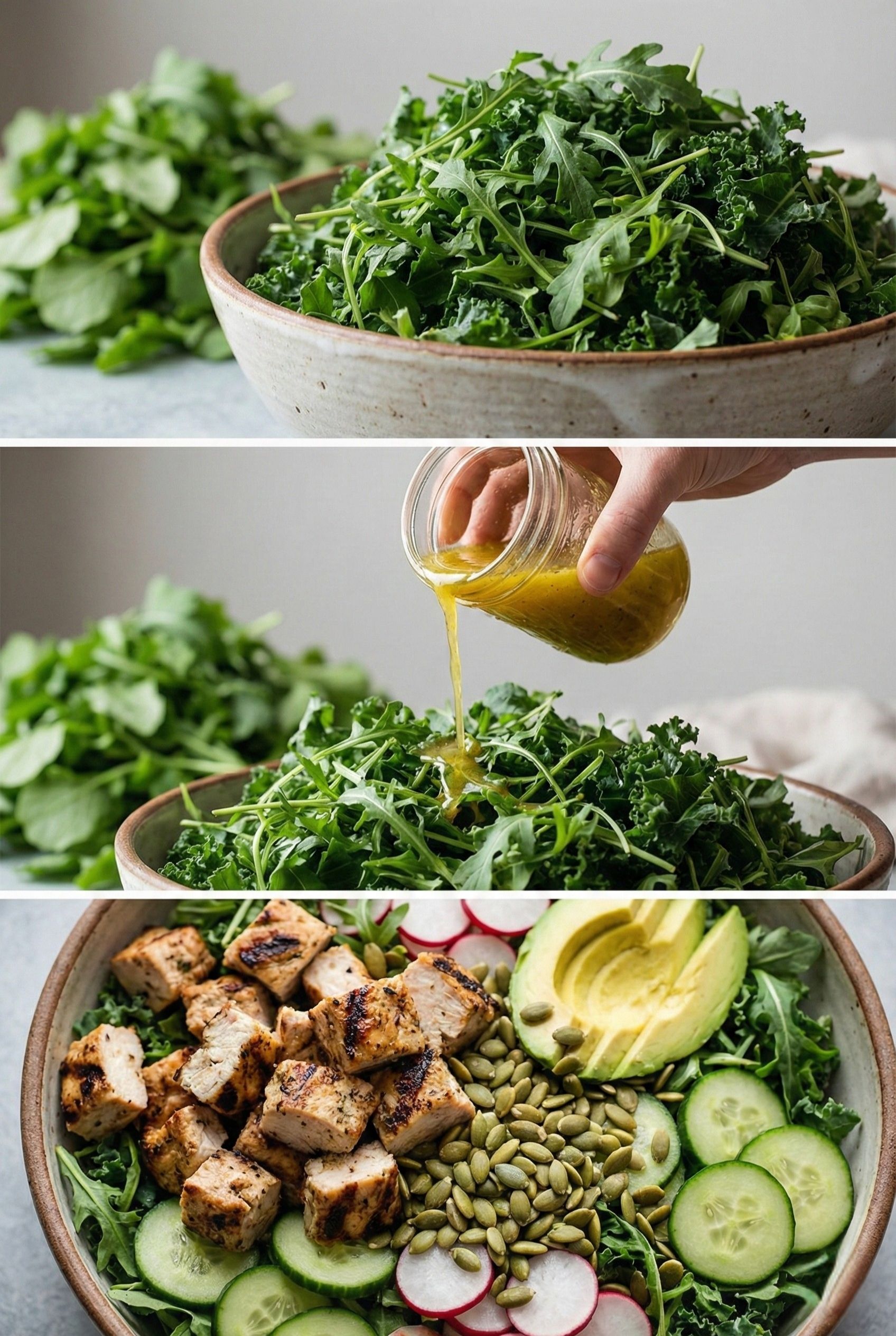
[Skin Hero Nutrient Highlight] Zinc (Pumpkin Seeds): Crucial for wound healing and controlling oil production.
Vitamin A (Kale/Arugula): Nature’s retinol; encourages healthy skin cell turnover.
- Related Recipe: Need more salad inspiration? My [Chopped Thai Salad Recipe here] is another high-protein favorite.
4:00 PM | Snack: The Bridge Fuel
If I don’t have a snack, I tend to overeat at dinner. The goal here is just to bridge the gap without causing an insulin spike.
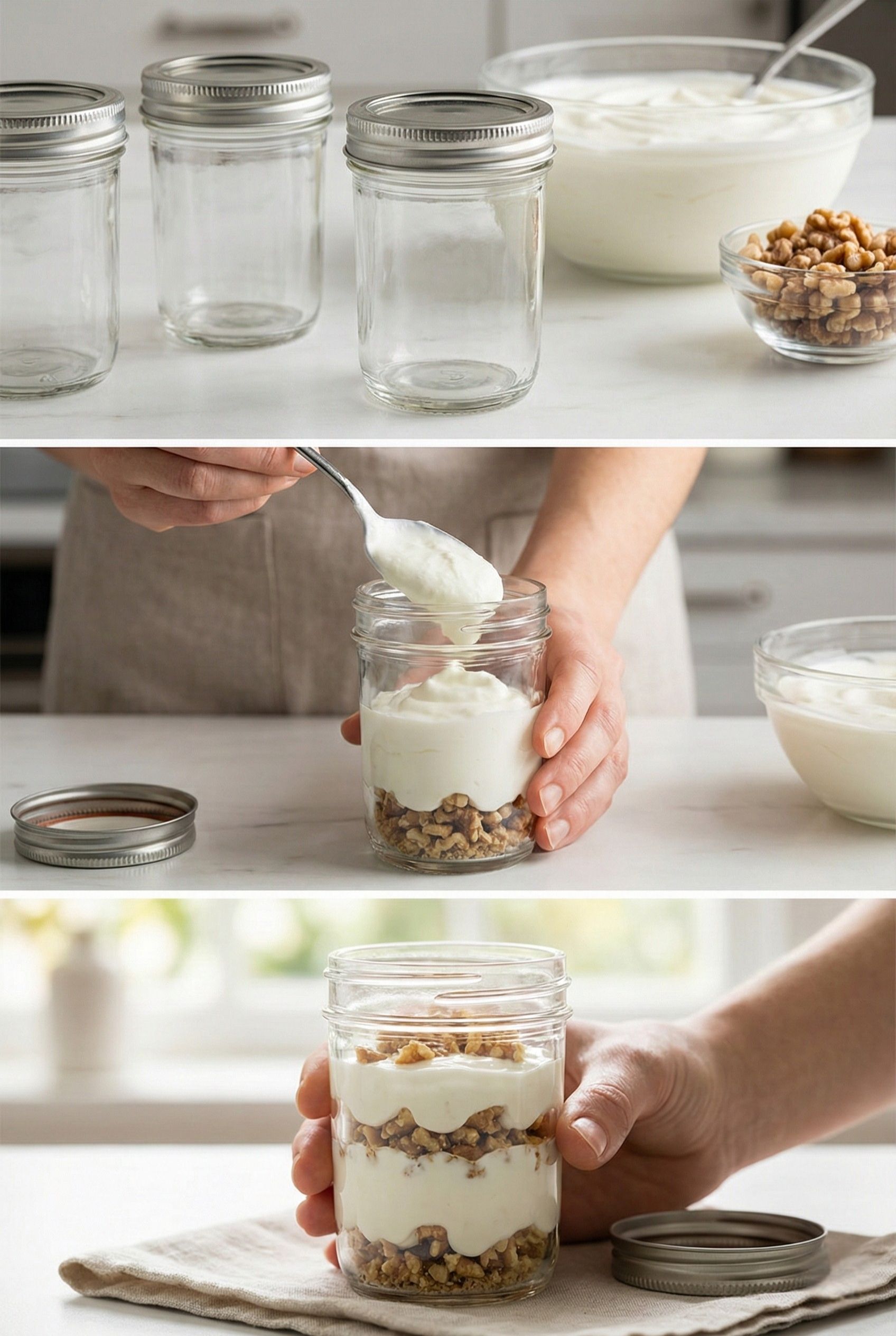
- The Meal: 3/4 cup of plain, 2% Greek yogurt mixed with a teaspoon of crushed walnuts. I prep these in advance in these Glass Jars so I can grab them on the go.
- The Texture & Taste: This is thick, tangy, and creamy. The walnuts cut through the tartness of the yogurt with an earthy, buttery crunch.
- Why This Helps Your Skin: Greek yogurt is packed with protein and probiotics. A healthy gut microbiome means less systemic inflammation, which equals calmer skin.
7:00 PM | Dinner: The Lipid Barrier Repair Meal
Dinner is almost always focused on healthy fats to support skin repair while I sleep. Overnight is when your skin does its heaviest lifting in terms of regeneration, so I want to give it the best fuel possible.
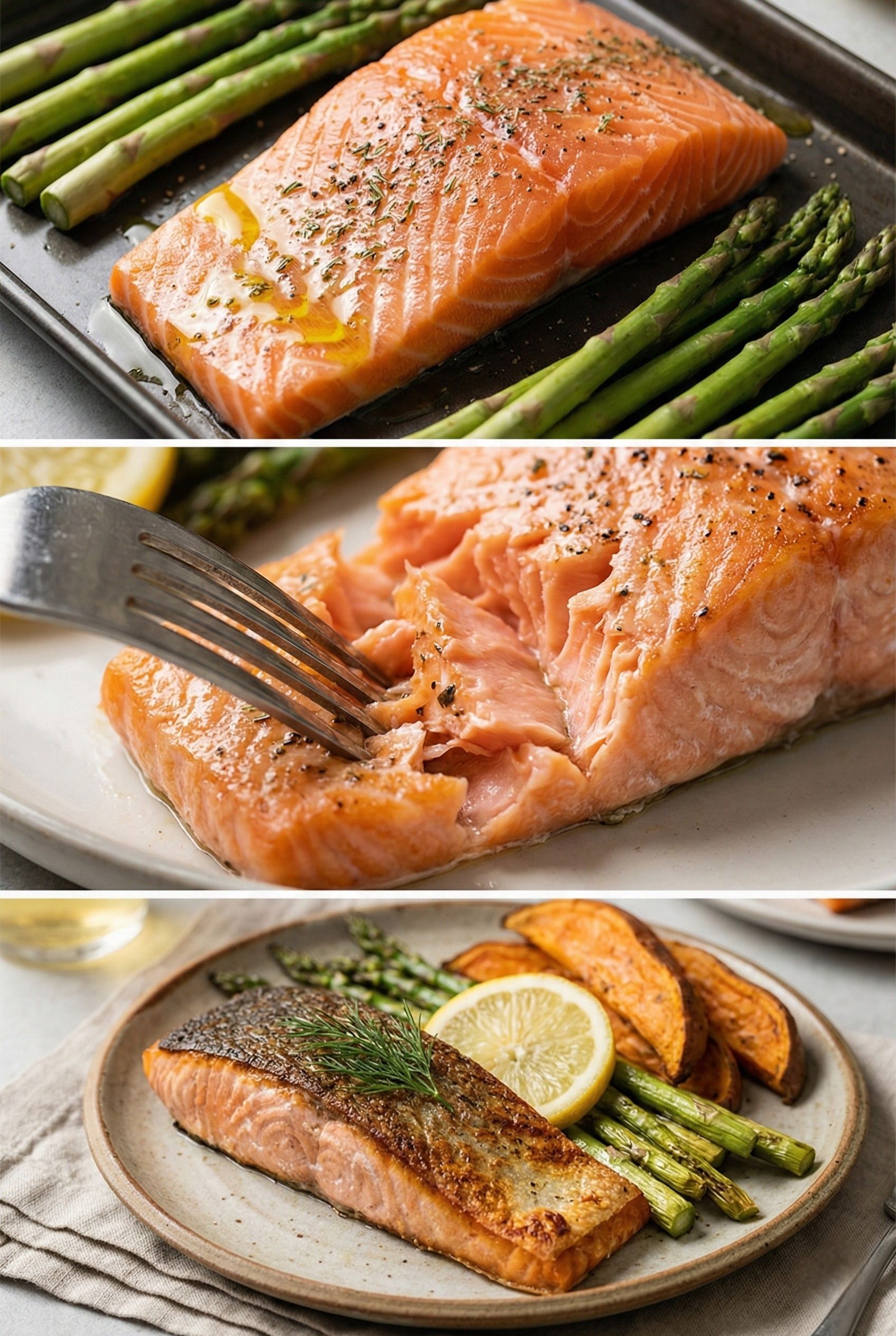
- The Meal: Roasted Salmon (wild-caught if possible) with a side of roasted asparagus and sweet potato wedges.
- The Texture & Taste: I roast the salmon at a high temperature for a short time so the skin gets incredibly crispy and salty, like a cracker, while the inside remains buttery, flaky, and tender. The asparagus gets caramelized tips that taste almost nutty.
- Why This Helps Your Skin: Salmon is perhaps the ultimate skin food. It is rich in Omega-3 fatty acids like EPA and DHA. These essential fats are incorporated into the cell membranes of your skin, helping them hold onto water. If you suffer from chronically dry or flaky skin, increasing Omega-3s is a game-changer.
[Skin Hero Nutrient Highlight] Omega-3 Fatty Acids (Salmon): Reduces inflammation and fortifies the skin’s moisture barrier.
Beta-Carotene (Sweet Potato): Your body converts this to Vitamin A to fight free radical damage.
- Related Recipe: If you aren’t a fish fan, my [Lean Beef & Broccoli Stir Fry] is a great high-protein alternative that is also rich in iron for better circulation.
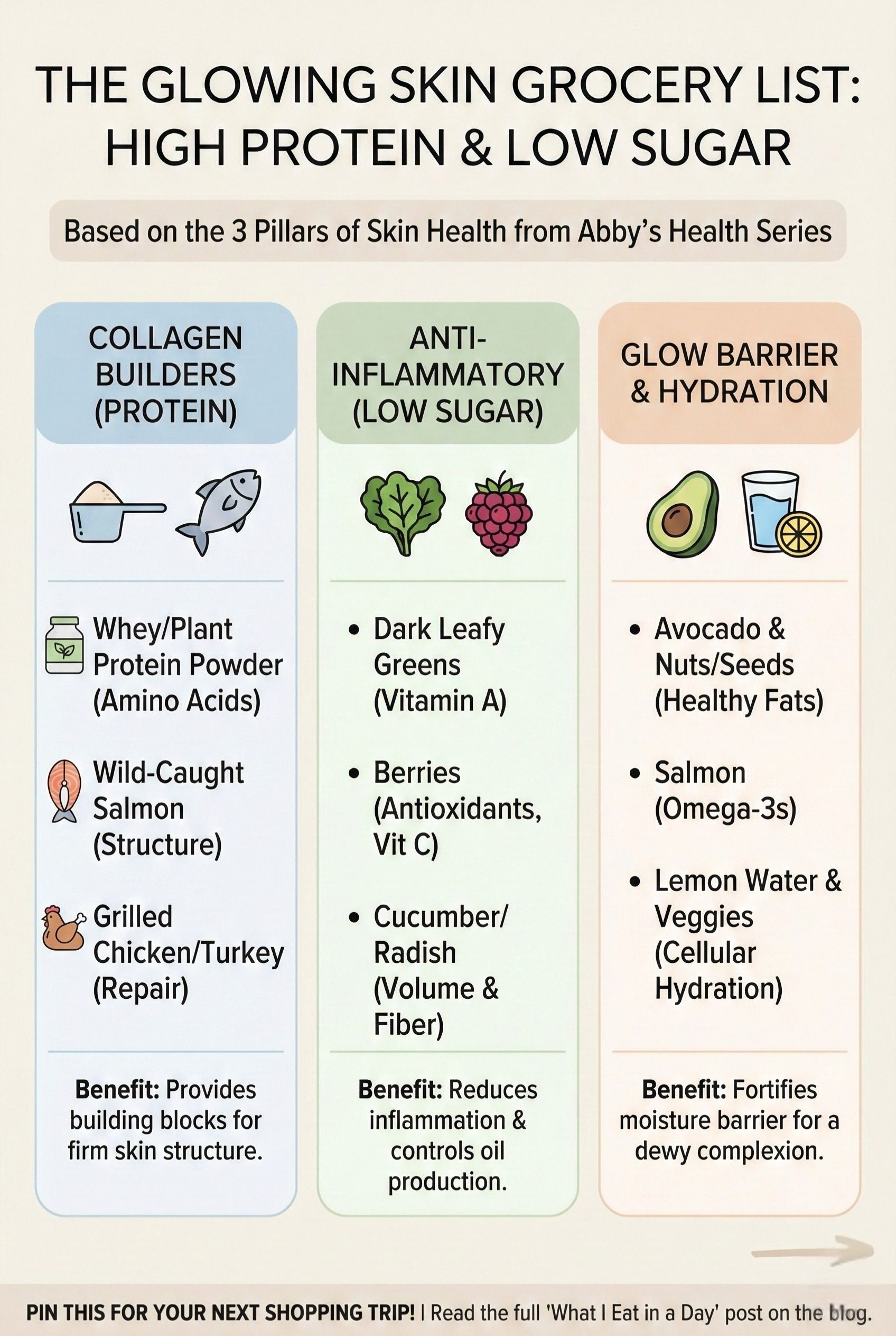
Pin this graphic for your next grocery trip!
Your Skin-Glow Cheat Sheet
If you want to adopt this style of eating, you don’t have to copy my meals exactly. Just follow these principles:
- Prioritize Protein at Every Meal: Aim for 25-30g per meal to supply collagen building blocks.
- Ruthlessly Eliminate Added Sugar: Read labels. Sugar causes glycation, which ages skin rapidly.
- Eat Your Hydration: Water is great, but water-rich vegetables (cucumbers, celery, greens) hydrate you on a cellular level.
- Don’t Fear Fat: Avocado, nuts, seeds, and fatty fish are essential for a dewy complexion.
Eating for your skin is a long game. You won’t erase wrinkles overnight, but if you stick to a high-protein, low-sugar regimen for 4-6 weeks, I guarantee you will see a difference in the brightness, clarity, and firmness of your skin.
Disclaimer: I am not a dermatologist or a registered dietitian. This post is based on my personal experience and research into nutritional science. Always consult with a medical professional before making drastic changes to your diet, especially if you have underlying health conditions.