If you are on Tirzepatide (Mounjaro/Zepbound) or Semaglutide, you already know the biggest struggle. It’s not losing weight; it’s eating enough.
The medication does its job perfectly, quieting the food noise. But that silence can make hitting your necessary protein goals feel impossible.
Yet, protein is non-negotiable. If you don’t eat enough, you risk losing precious muscle mass alongside the fat, which can slow your metabolism down in the long run.
Today, I’m showing you exactly what a realistic, 140g protein day looks like on my journey.
These aren’t complicated chef meals. These are nutrient-dense, high-protein anchors that keep my energy stable and my nausea at zero while the medication does its work.
Jump to Recipe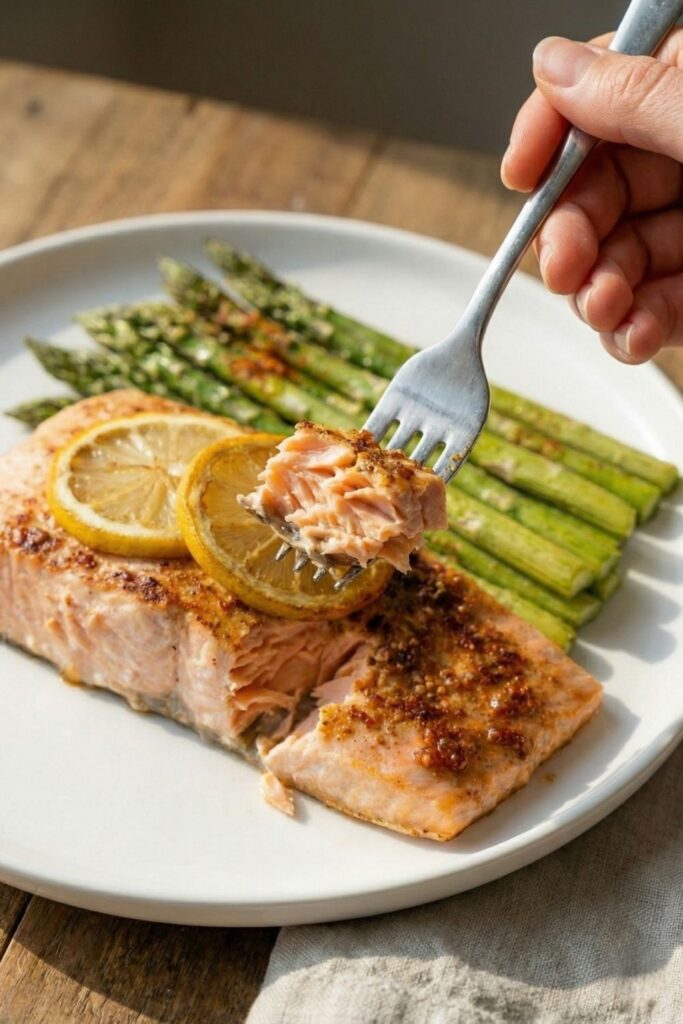
The Strategy: Protein Anchors
My approach is simple: three solid meals, no snacking.
When you are on a GLP-1, grazing doesn’t work. You get full too fast. You need to make your main meals count.
Every meal I eat is designed around a “protein anchor” of at least 35-40 grams. Then, I add fiber for digestion and healthy fats for satiety.
Here is the breakdown of a typical day fueling fat loss.
Morning: The “Hidden Protein” Scramble
Breakfast is usually the hardest meal for me. I rarely wake up hungry anymore.
But skipping it means trying to cram 140g of protein into two meals later, which is impossible on this med.
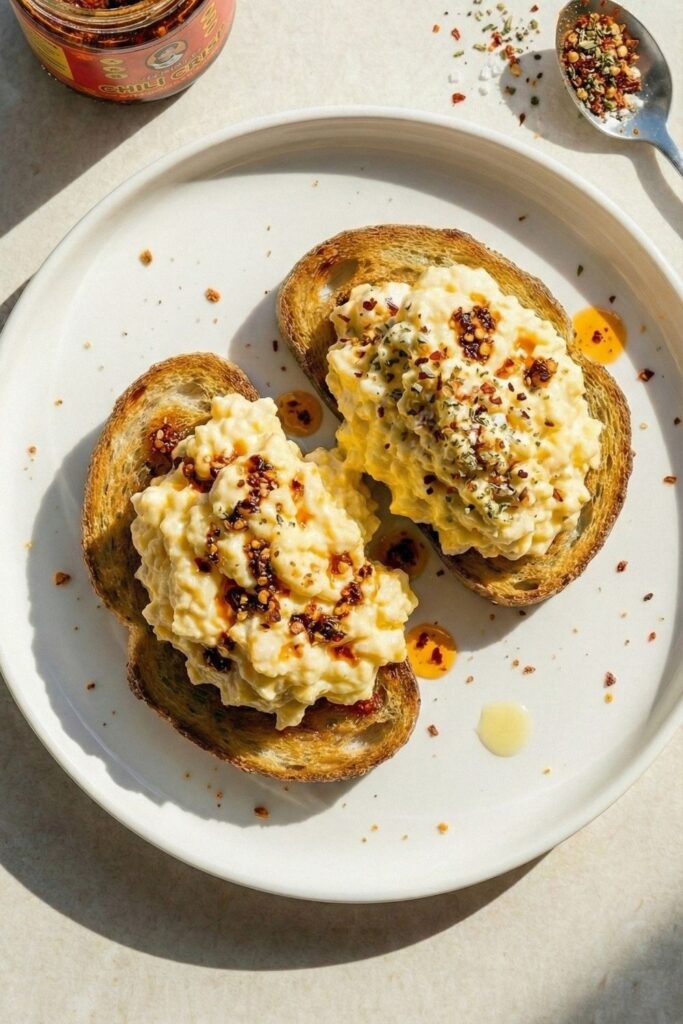
My solution is this “Viral” Cottage Cheese Scramble. Before you judge it, listen: you cannot taste the cottage cheese.
It melts into the eggs, making them incredibly creamy almost like a French soft scramble while secretly doubling the protein count without adding heavy meat that might sit heavy in your stomach.
Paired with sourdough (which is easier on digestion) and healthy fats from avocado, this keeps me full and energized until well past noon.
Mid-Day: The “Crunch Factor” Salad
By lunchtime, I need texture.
One side effect I’ve noticed is that soft or mushy foods become very unappealing. My brain craves crunch.
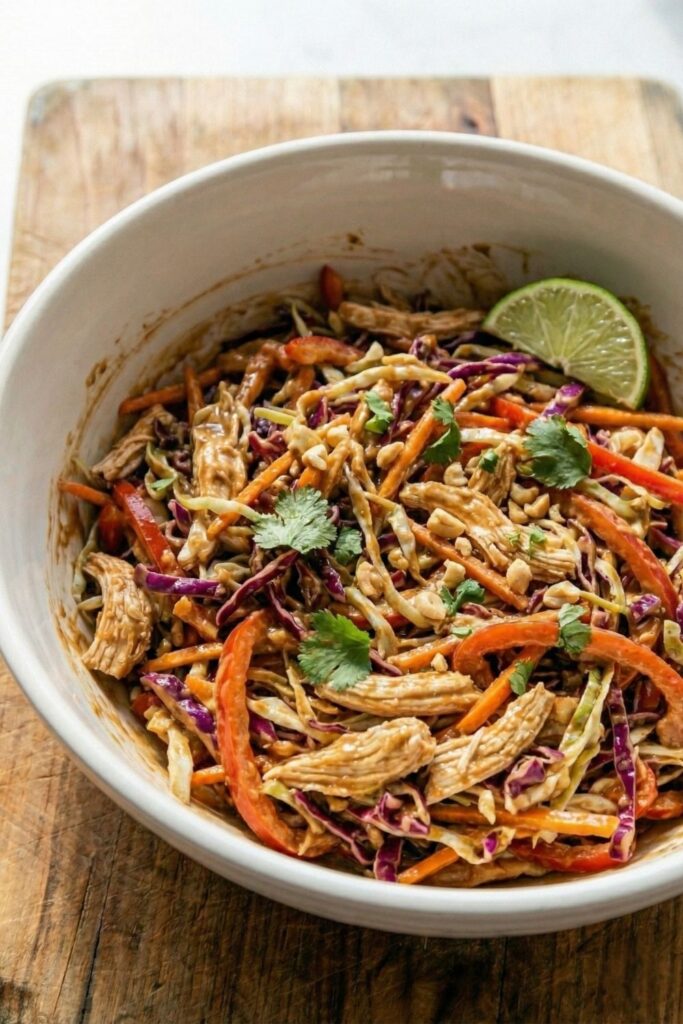
This Thai-inspired Chicken and Cabbage salad is my go-to. It’s basically a giant bowl of volume and fiber, which is crucial for keeping things moving (another common GLP-1 hurdle).
The secret here is the dressing. It tastes like an indulgent, creamy peanut sauce, but it’s actually boosted with PB2 (powdered peanut butter) or a scoop of unflavored collagen peptides to sneak in extra grams of protein.
It’s bright, crunchy, acid-forward, and doesn’t feel “heavy.”
Evening: The “Zero Effort” Sheet Pan
By 6:00 PM, my energy is usually waning. The last thing I want to do is scrub multiple pots and pans.
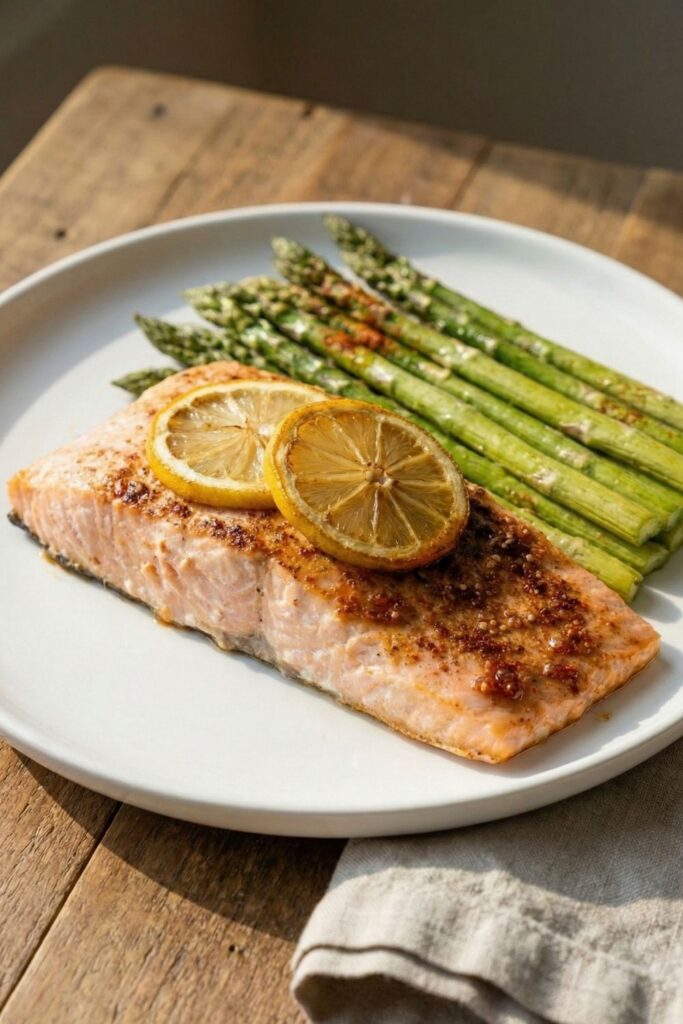
If a dinner recipe is complicated, I won’t make it. This Sheet Pan Lemon-Garlic Salmon is my “break glass in case of emergency” meal.
It requires five minutes of prep, one pan, and zero active cooking time.
Salmon is ideal for dinner because it’s rich in Omega-3 fatty acids, which are incredible for skin health something important to monitor during rapid weight loss.
It cooks quickly, stays moist, and feels like a proper, satisfying dinner without leaving you feeling overly stuffed right before bed.
Meal 1 Recipe: Creamy Cottage Cheese Scramble
Macros: 42g Protein | 380 Calories
instructions:
- Whisk the Base Crack eggs into a bowl and add the cottage cheese directly. Whisk vigorously. It will look lumpy and speckled white this is normal.
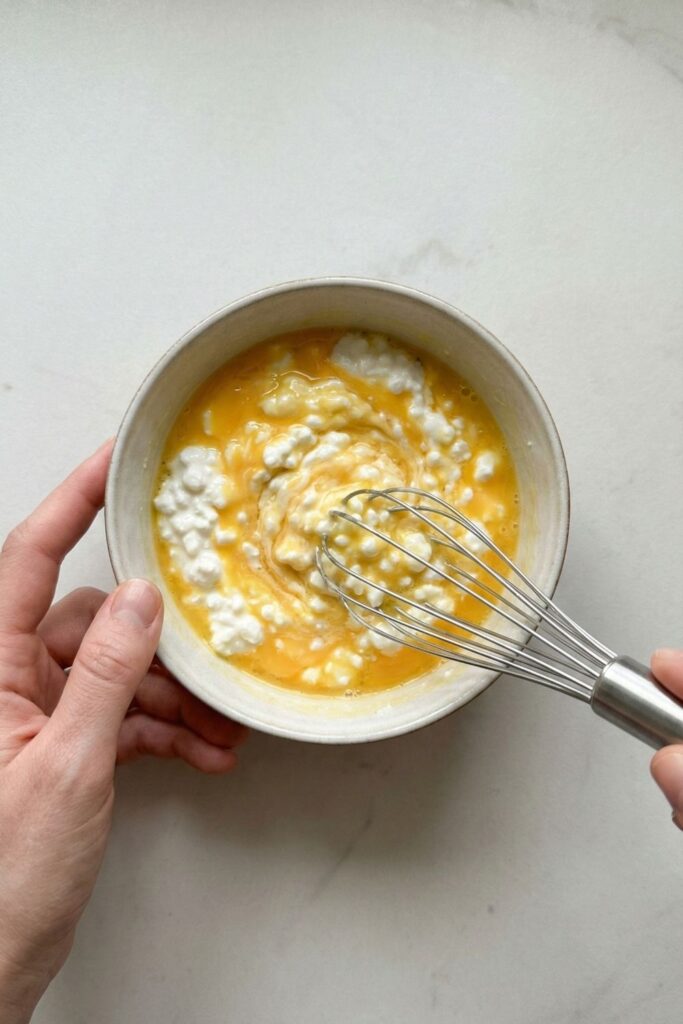
- Low and Slow Heat a good non-stick pan over medium-low heat. Mist with spray oil. Pour the mixture in.
- (Pro-Tip: Cottage cheese sticks easily. A high-quality Ceramic Non-Stick Pan is essential here so you don’t lose half your breakfast to the pan.)
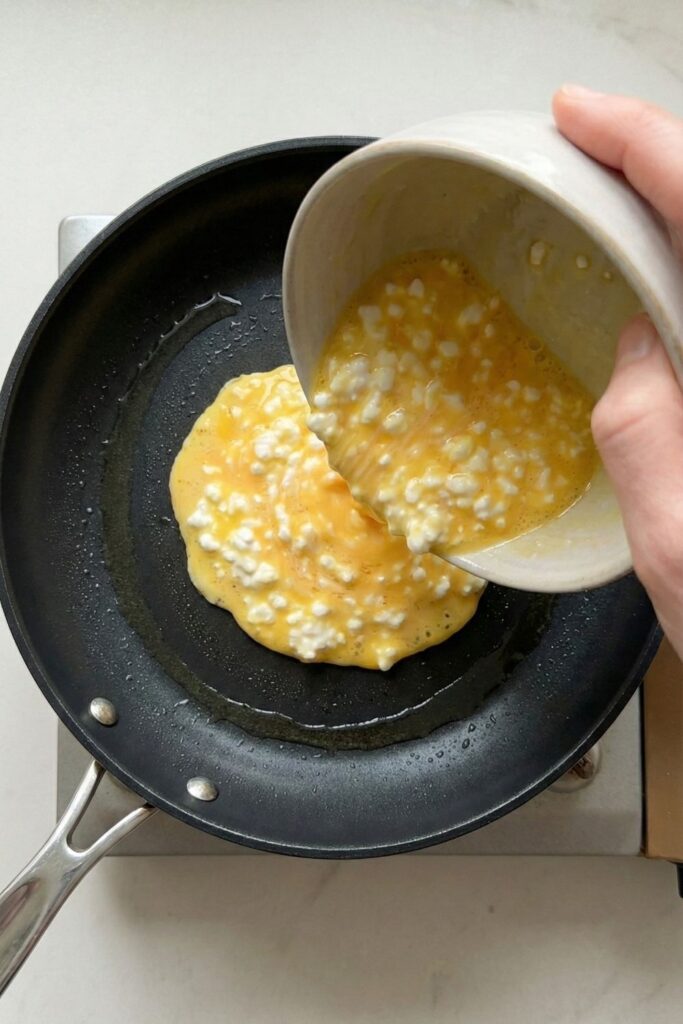
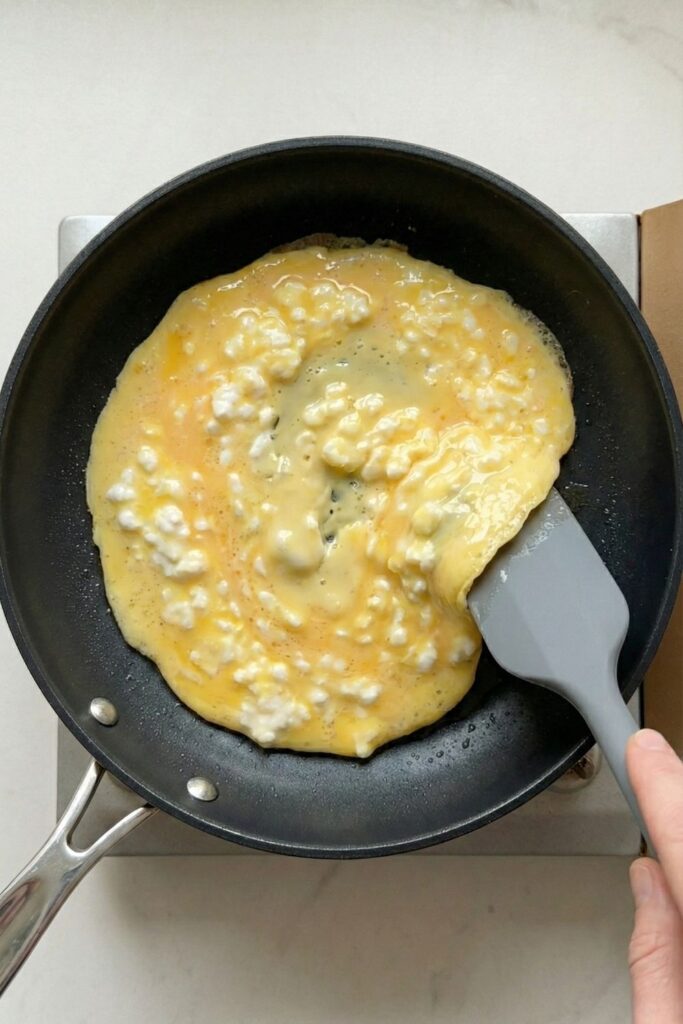
- The Push Technique Do not scramble fast. Use a silicone spatula to gently push the eggs from the edges toward the center, forming large, soft curds. Pull it off the heat while it still looks slightly wet it will continue to cook on the plate.
- (Note: I use a Seamless Silicone Spatula to ensure I get every bit of egg without scratching my pan.)
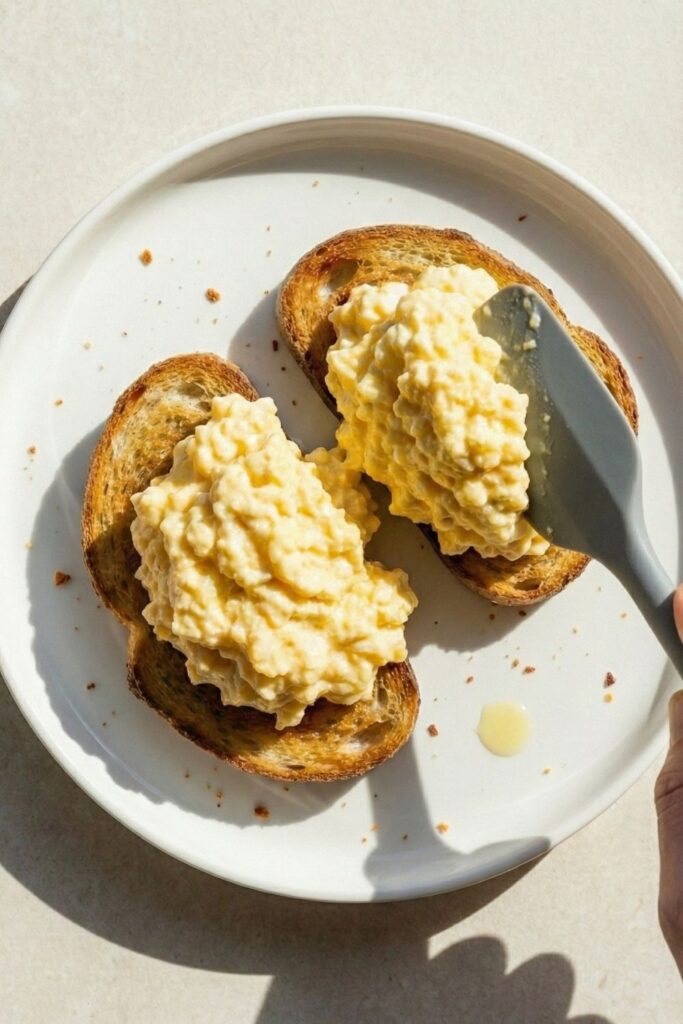
- Assemble Pile the creamy eggs onto your toasted sourdough. Fan the avocado on the side and season generously with salt, pepper, and chili flakes for a kick.
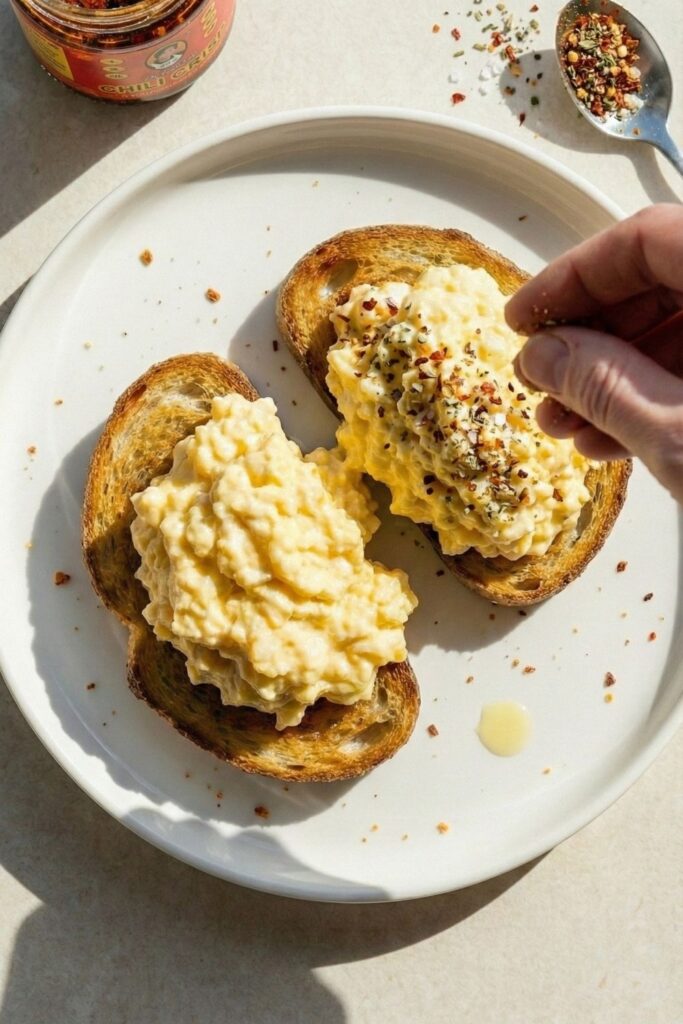
Why This Breakfast is a Non-Negotiable
When I first started Tirzepatide, I made a massive mistake: I drank coffee for breakfast and waited until 2 PM to eat. By the time I ate, I felt nauseous, shaky, and weak.
My doctor explained that muscle loss (sarcopenia) is a real risk on GLP-1 medications if you aren’t hitting that protein threshold early. You cannot “backload” 140g of protein into dinner; your body just can’t absorb it all at once. You need a 40g anchor in the morning.
The “Cottage Cheese” Hack I know what you’re thinking cottage cheese has a “texture.” I get it. That’s why we are cooking it.
directly into raw eggs, the curds dissolve as they hit the heat. You are left with fluffy, creamy eggs that taste like they are loaded with heavy cream, but you’ve actually just doubled the protein content.
Ingredient Spotlight: Sourdough vs. White Bread
I specifically choose Sourdough for this meal. The fermentation process breaks down the gluten and gluten-like structures, making it much easier to digest a crucial factor when your digestion is slowed down by the medication.
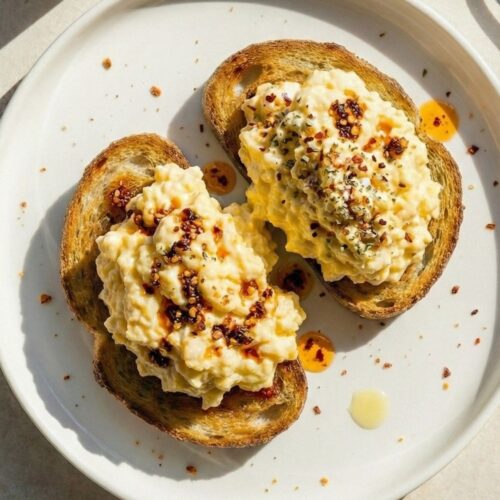
Creamy Cottage Cheese Scramble

Equipment
- Ceramic Non-Stick Pan
- Silicone spatula
Ingredients
- 4 large Eggs Organic preferred
- ¼ cup Low-Fat Cottage Cheese Small curd
- 2 slice Sourdough Bread Toasted
- ½ Avocado Sliced
- 1 tsp Chili Crisp or Everything Bagel Seasoning
- Salt & Black Pepper To taste
- Spray Oil Avocado oil
Instructions
- Whisk: Crack the eggs into a small bowl. Add the cottage cheese directly to the eggs. Whisk vigorously until combined (it will look chunky/white-speckled).
- Heat: Heat a non-stick pan over medium-low heat. Mist lightly with avocado spray oil.
- Pour: Pour the egg mixture into the center of the pan.
- Push: Do not stir fast. Use a silicone spatula to gently push the eggs from the edges to the center, forming large, soft curds.
- Finish: Remove from heat while the eggs still look slightly “wet” (they will continue cooking). Pile onto toasted sourdough.
- Serve: Top with sliced avocado and drizzle with chili crisp or seasoning. ( I didn't want to use avocados today just my preference)
Notes
Serving
I made a serving of two but a serving of one nutritional value is- Calories : 380 kcal
- Protein : 42g
- Fat : 18g
- Carbohydrates : 15g
Equipment
Meal 2 Recipe: Thai Crunch Chicken Salad
Macros: 45g Protein | 410 Calories
Instructions:
- The Shred For the best texture, the cabbage needs to be paper-thin.
- (Honest advice: Don’t try to do this with a knife unless you have pro skills. A Japanese Mandoline Slicer is cheap and gets you that restaurant-quality shred in seconds. Just watch your fingers!)
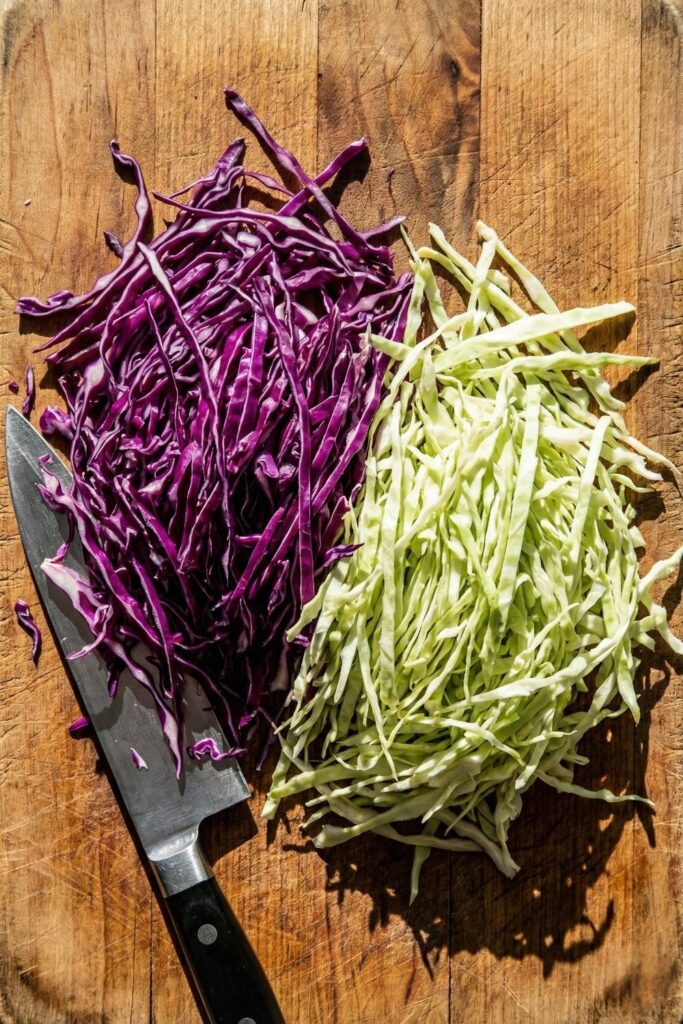
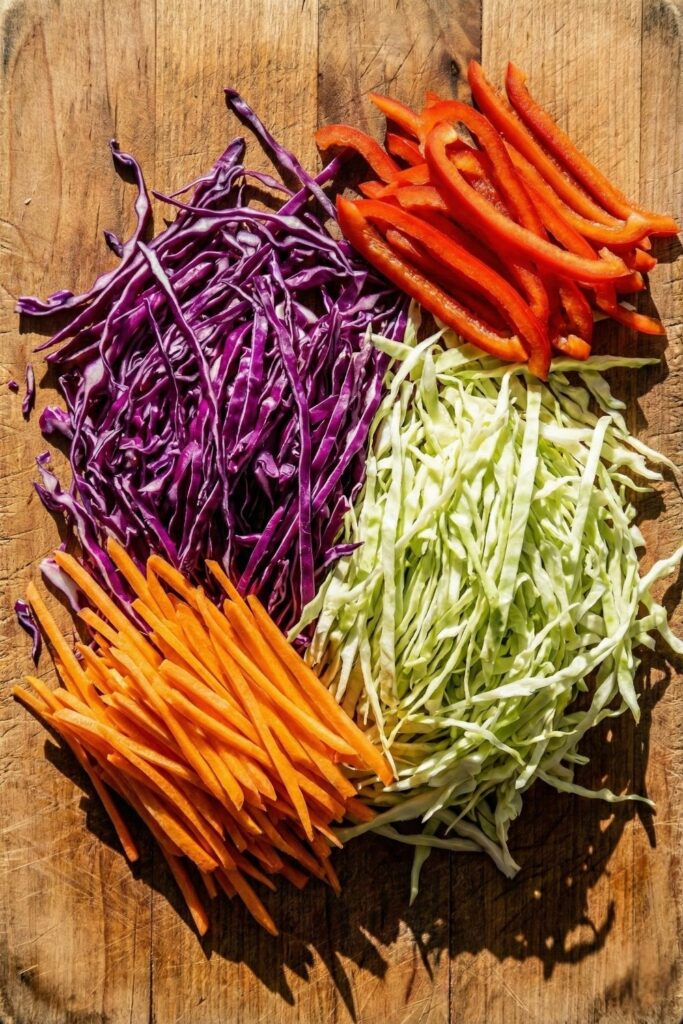
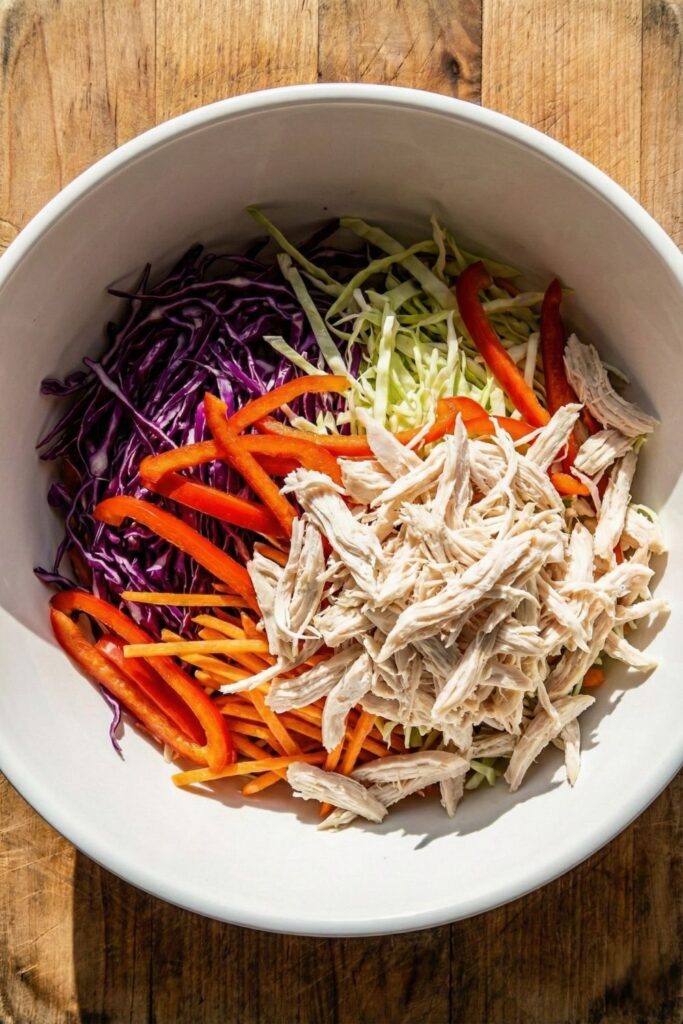
- Prep the Rainbow Slice your peppers and carrots. Place all your vegetables and the shredded chicken into your largest mixing bowl.
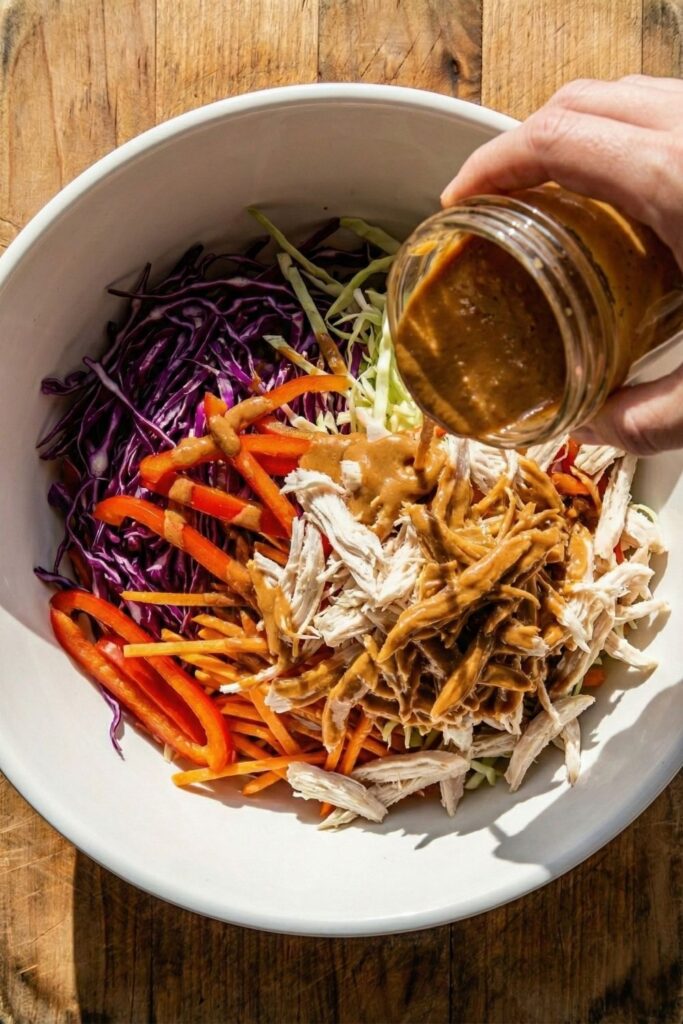
- Sauce and Toss Whisk the dressing ingredients together until smooth
- Pour over the salad and use tongs to toss aggressively.
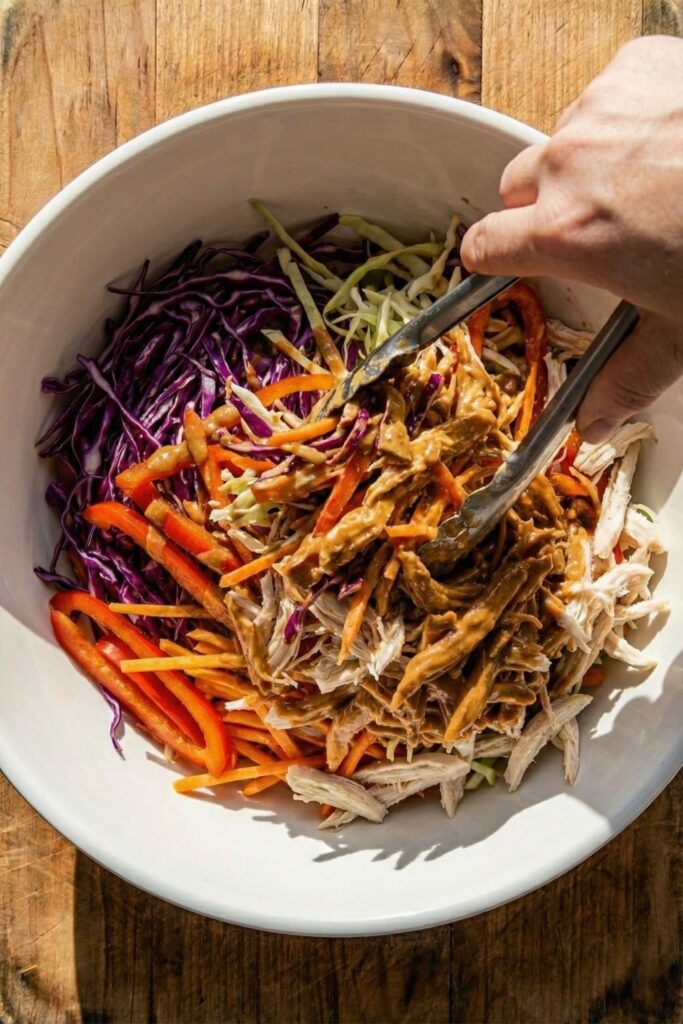
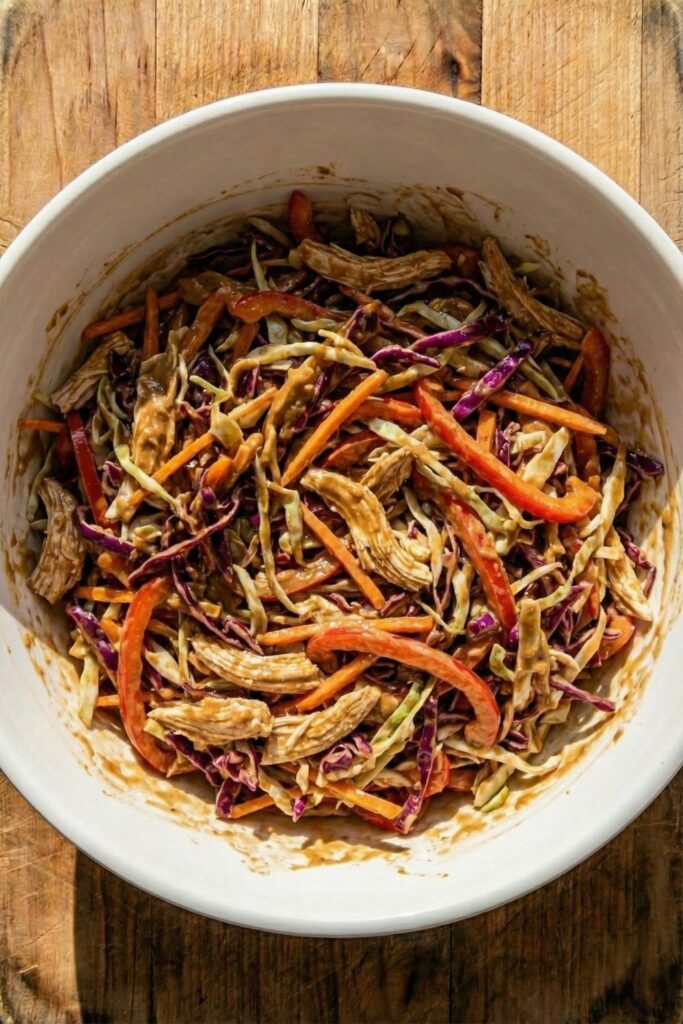
- You want every single shred coated in the sauce. Top with chopped peanuts for extra crunch just before serving.
Overcoming the “Texture Aversion”
One side effect nobody talks about is “Texture Aversion.” Some days, the idea of chewing a dry chicken breast makes me want to gag. But skipping meals isn’t an option.
This is why I pivoted to “High Volume, High Crunch” salads. The “Crunch” signals to your brain that you are eating fresh, palatable food, which helps overcome that low-level nausea.
The Volume Trick This bowl is huge. If you put this much food on a plate, it looks intimidating. But because it is mostly cabbage (which is 90% water and fiber), you are getting a massive serving of food for very few calories.
Why Cabbage?
GLP-1 medications slow down gastric emptying. This is great for fullness but bad for well, “movements.” The fiber in the purple and green cabbage acts like a broom for your digestive system. It is essential to keep things moving when you are on this journey.
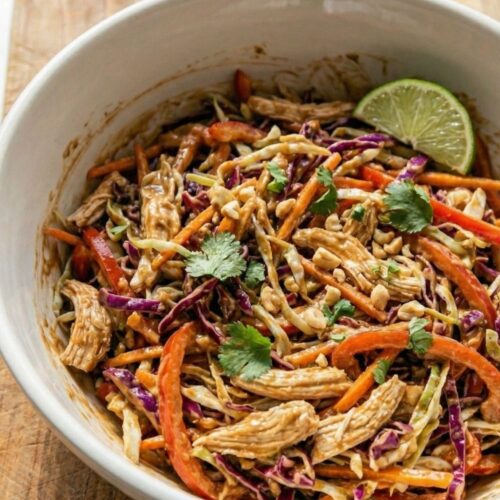
Thai Crunch Chicken & Cabbage Salad
Ingredients
For the Salad Base:
- 1 cup Chicken Breast Cooked and shredded, approx 150g
- 2 cups Purple Cabbage Shredded thinly
- 1 cup Green Cabbage Shredded thinly
- ½ Red Bell Pepper Thin strips
- ¼ cup Carrots Matchsticks
- 2 tbsp Chopped Peanuts Roasted
For the High-Protein Dressing:
- 1 tbsp Peanut Butter or PB2 Powder for lower fat
- 1 tbsp Soy Sauce or Tamari
- 1 tsp Lime Juice
- 1 tbsp Water to thin consistency
Instructions
- Shred: Using a mandoline or sharp knife, shred both cabbages as thin as possible (paper thin texture is best).
- Chop: Slice bell peppers and carrots into thin matchsticks.
- Combine: In a large mixing bowl, toss the shredded chicken, cabbage, peppers, and carrots together.
- Whisk Dressing: In a small jar, mix peanut butter, soy sauce, lime juice, and water. Whisk until smooth and pourable.
- Toss: Pour dressing over the salad
- toss with tongs until every vegetable shred is coated.
- Garnish: Top with chopped peanuts for extra crunch before serving.
Notes
Nutritional value
- Calories: 410 kcal
- Protein: 45g
- Fat: 16g
- Carbohydrates: 18g
Meal 3 Recipe: Sheet Pan Lemon-Garlic Salmon
Macros: 38g Protein | 450 Calories
Instructions:
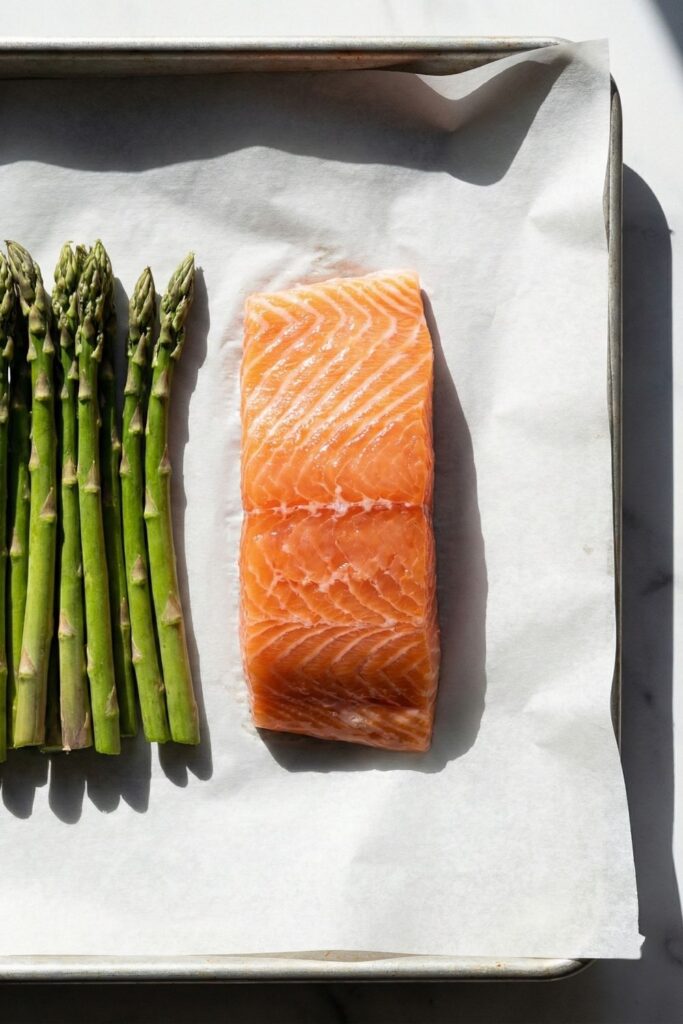
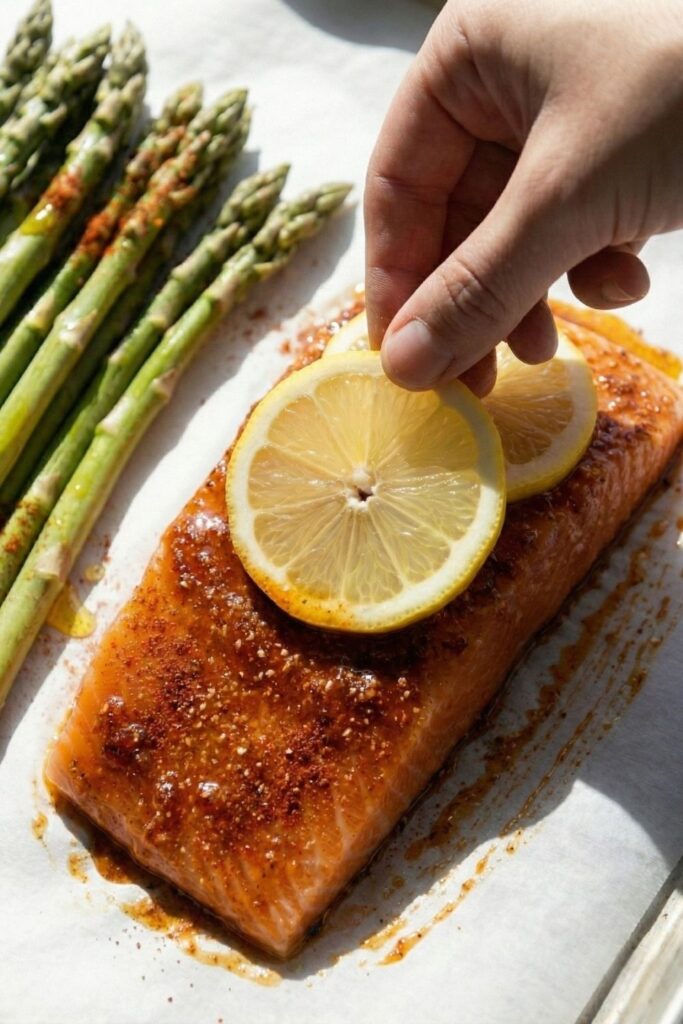
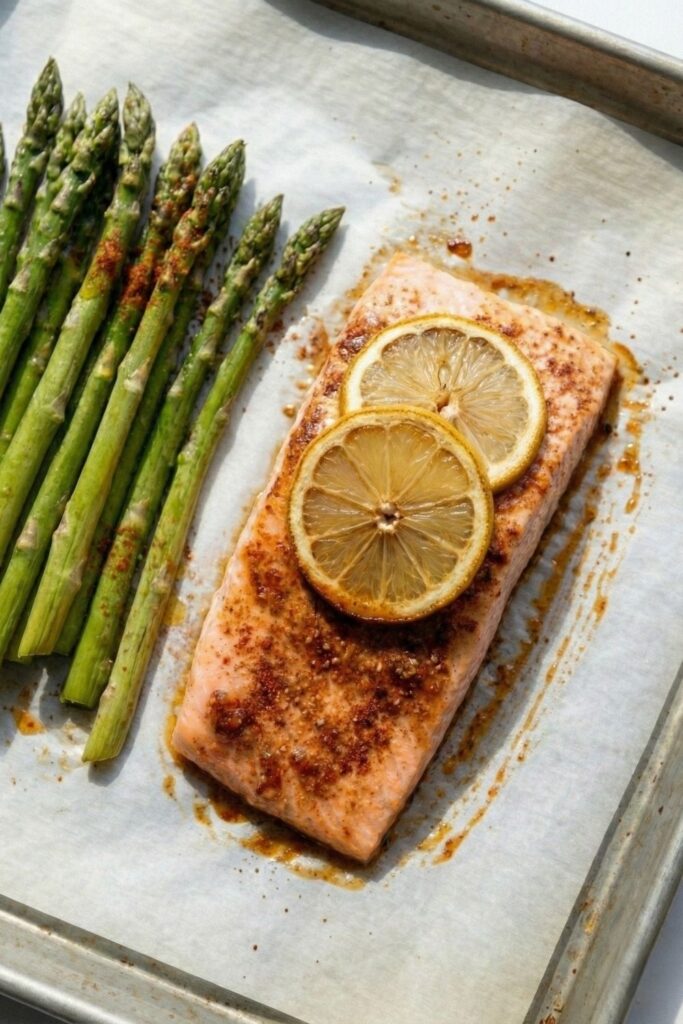
- The Setup Preheat oven to 400°F (200°C). Line a Heavy Duty Rimmed Baking Sheet with parchment paper for easy cleanup. Place the salmon in the center and arrange asparagus around it.
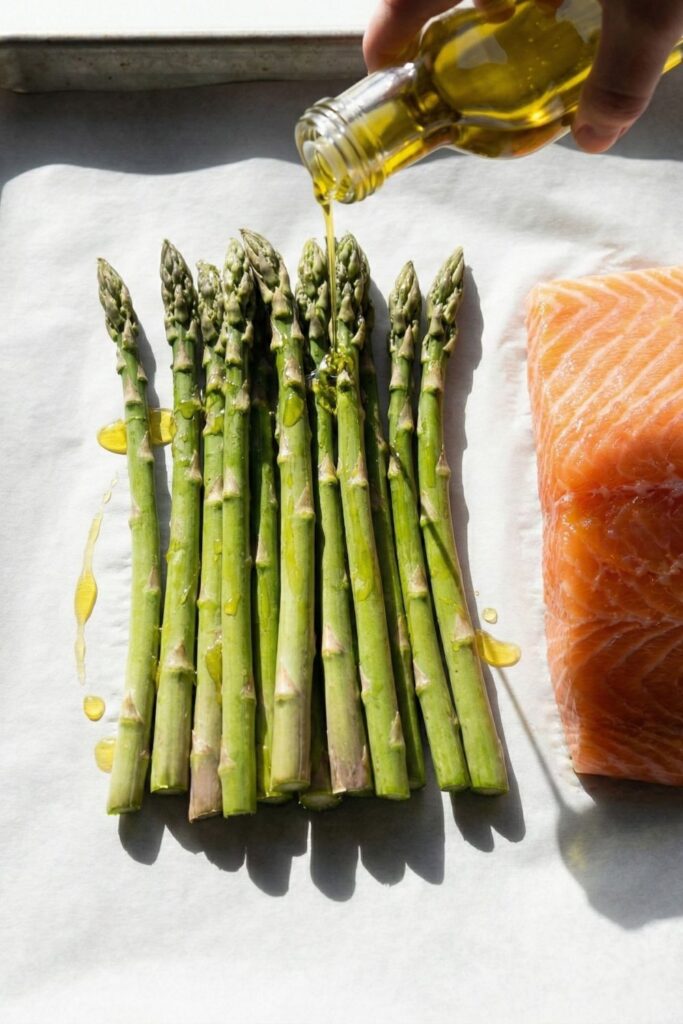
- Season Drizzle everything generously with olive oil. Sprinkle the garlic powder, paprika, salt, and pepper evenly over the fish and veggies. Rub the oil into the asparagus with your hands.
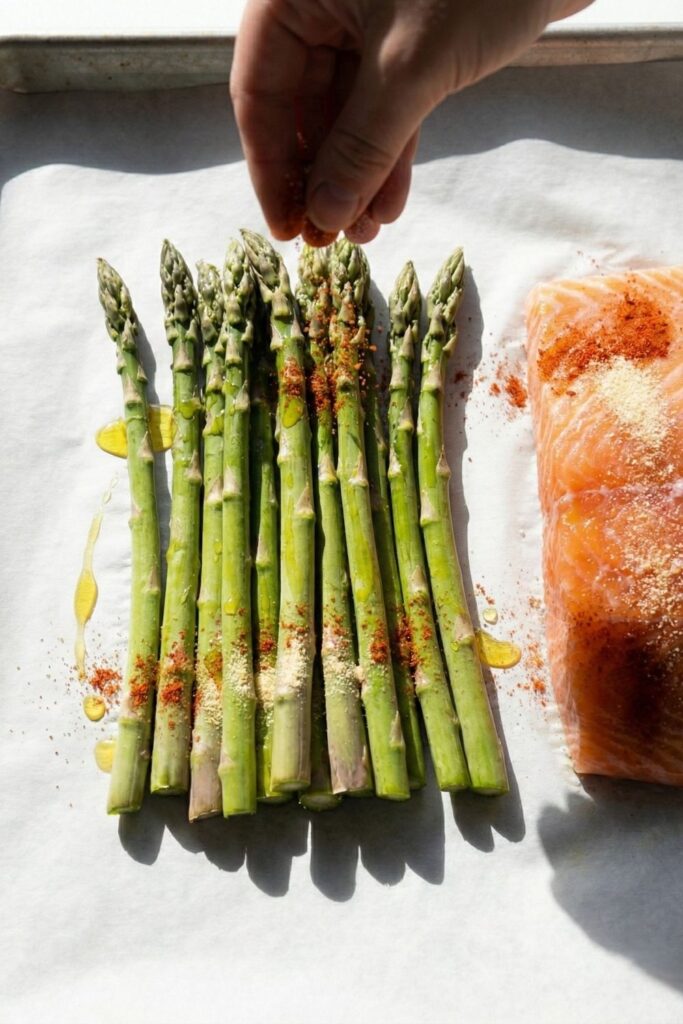
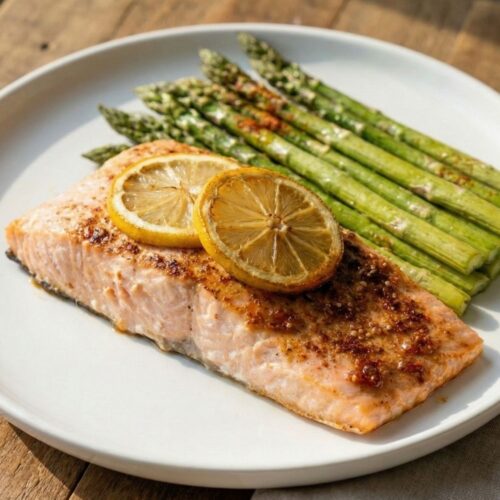
- Bake Place lemon slices directly on top of the salmon. Bake for 12–15 minutes, depending on the thickness of your fish. The salmon should be opaque and flake easily with a fork, and the asparagus should be tender-crisp, not mushy.
The “Decision Fatigue” Solution
By 6:00 PM, my decision-making battery is empty. If I have to chop onions, sauté garlic, and watch three pots, I’m ordering takeout. And takeout is usually where the hidden seed oils and extra calories ruin my progress.This sheet pan meal is my safety net. It respects my time and my energy levels.
The Omega-3 Glow
Rapid weight loss can sometimes make your skin look dull or “crepey.” Salmon is one of the best sources of Omega-3 fatty acids, which help maintain skin elasticity and hydration from the inside out. Think of this meal as skincare you can eat.
Sheet Pan Lemon-Garlic Salmon & Asparagus
Ingredients
- 1 Salmon Fillet 6oz / 170g, skin on
- 1 bunch Asparagus Woody ends trimmed
- ½ Lemon Sliced into rounds
- 1 tbsp Olive Oil
- 1 tsp Garlic Powder
- ½ tsp Smoked Paprika
- Salt & Black Pepper To taste
Instructions
- Prep: Preheat oven to 400°F (200°C). Line a baking sheet with parchment paper.
- Arrange: Place the salmon fillet in the center of the sheet. Arrange asparagus stalks around the salmon in a single layer.
- Season: Drizzle olive oil over everything. Rub the oil into the asparagus with your hands.
- Sprinkle garlic powder, paprika, salt, and pepper evenly over the fish and veggies.
- Top: Place 2-3 lemon slices directly on top of the salmon fillet.
- Bake: Bake for 12–15 minutes. The salmon is done when it is opaque and flakes easily with a fork. The asparagus should be bright green and tender-crisp.
Notes
Nutrition
- Calories: 450 kcal
- Protein: 38g
- Fat: 28g
- Carbohydrates: 6g
Equipment
Final Thoughts
Hitting 140g of protein on Tirzepatide doesn’t happen by accident. You have to plan for it.
By relying on these three high-protein anchors, I ensure my body is burning fat, not muscle, even when my appetite is non-existent.
It’s not always easy to eat when you aren’t hungry, but think of it as your medicine. The shot handles the appetite; the protein handles the metabolism. You need both for long-term success.