
Metabolic adaptation is the silent killer of sustainable weight loss. If you are utilizing GLP-1 protocols, the primary physiological challenge isn’t just caloric restriction; it is the catastrophic loss of lean muscle mass and the daily battle against delayed gastric emptying side effects. You cannot survive on basic salads. You need dense, bioavailable nutrition.
Here is the truth.
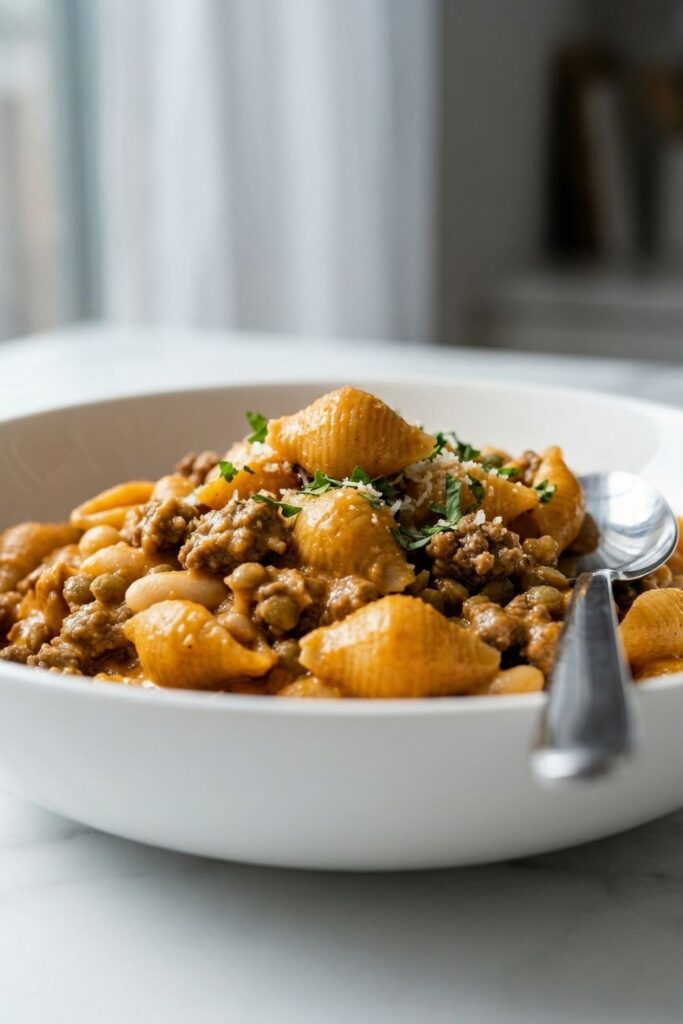
Most comfort foods are engineered to trigger hyper-palatability through refined carbohydrates and low-quality fats, resulting in severe blood glucose spikes. This formulation rewrites that code entirely. We are deploying a One Pot Beef, Bean & Lentil Ragú designed strictly as a high-protein, high-fiber intervention. Yielding an explosive 47g of protein and 17g of dietary fiber per serving, this protocol is not a standard recipe. It is a highly calibrated nutritional tool. It leverages specific legume matrices and whole wheat starches to maximize satiation without compromising your metabolic goals. Let’s get to work.
The Science/Why
Creating a thick, heavily emulsified ragú in a single pot is an exercise in applied culinary chemistry. We are completely bypassing the traditional, multi-vessel pasta boiling method to harness the functional power of starch retention.
Let’s break down the chemistry.
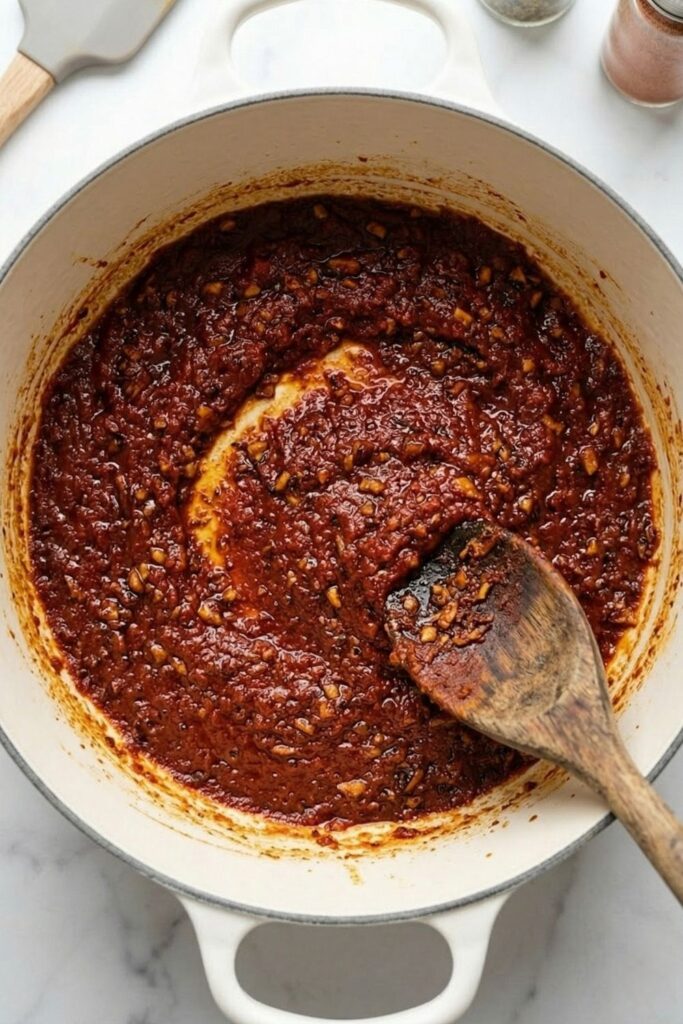
First, we initiate the Maillard reaction. By searing the 170g of tomato paste with grated garlic in olive oil, we force a chemical interaction between amino acids and reducing sugars. This heat-driven sequence neutralizes the raw, metallic acidity inherent in canned tomatoes and synthesizes complex melanoidins. This gives the sauce a robust, slow-simmered flavor profile in under five minutes.
Pay close attention to the fiber.
GLP-1 pathways rely on slowed digestion. We amplify this by combining 93% lean ground beef with a dual-legume matrix of cannellini beans and lentils. The high-viscosity soluble fiber found in these legumes forms a gel-like substance in the digestive tract. This strictly blunts glycemic spikes, promotes sustained energy, and physically stretches the stomach receptors to signal immediate satiety to the brain.
Pattern Interrupt: Always ensure your cooking surface is fully preheated before dropping in your proteins to guarantee an immediate sear rather than a slow steam.
Finally, we rely on starch emulsification. By cooking the 12oz of whole wheat pasta directly inside the bone broth and water mixture, we trap 100% of the starches released during the thermal gelatinization process. In standard cooking, you pour this functional starch down the drain. Here, we retain it.
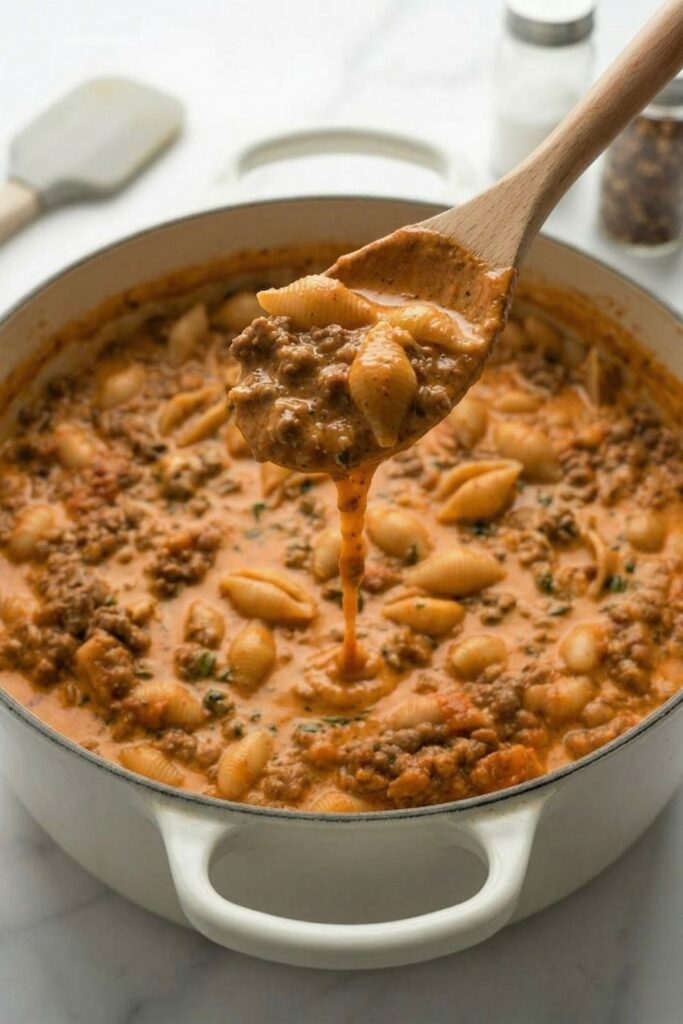
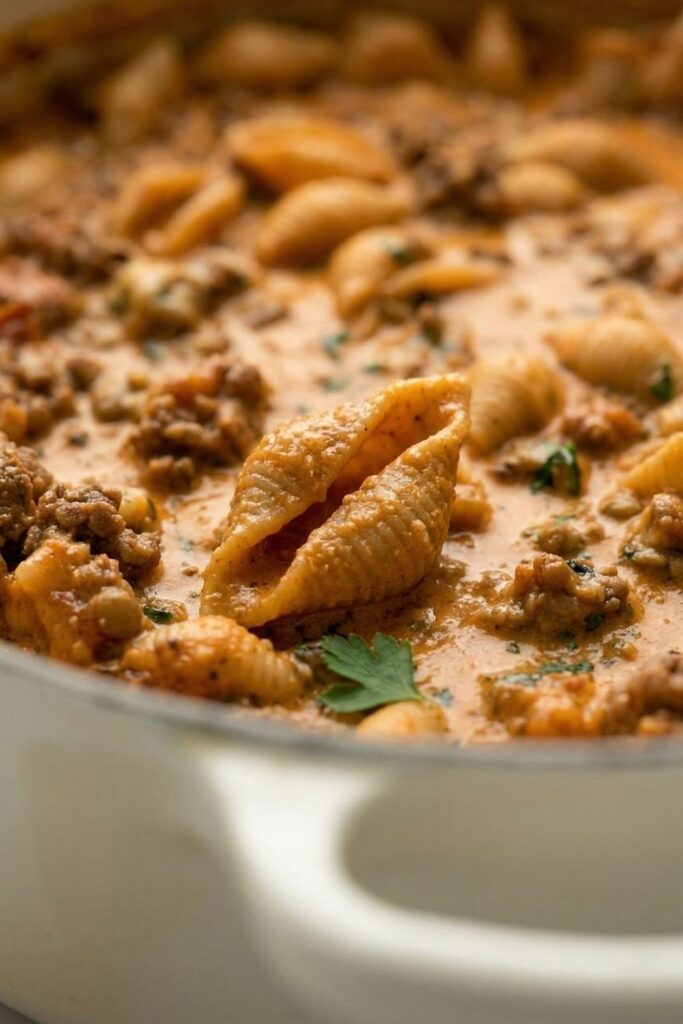
As the thermal energy reduces the liquid volume, these trapped starches bind aggressively with the rendered beef fat, olive oil, and the proteins from our dairy finish. This creates a thick, velvety suspension that clings to every single whole wheat shell without the need for heavy cream or a refined flour roux. The synergy of 47g of complete amino acids from the beef and dairy, paired with the 17g of complex carbohydrates, ensures your muscle protein synthesis remains elevated while in a caloric deficit.
Ingredient Deep Dive
Precision in your payload dictates the success of your metabolic response. Do not substitute these ratios if you want the exact 660 Calorie macro breakdown.
Here is the exact hardware you need.
- 93% Lean Ground Beef (16oz): The absolute optimal lean-to-fat ratio. It provides massive, bioavailable protein (roughly 21g per 4oz raw) without flooding the cooking vessel with excess rendering lipids that would break the final emulsion.
- Patagonia Provisions Organic Whole Wheat Shells (12oz): This is critical. Do not use white pasta. Whole wheat flour contains a higher protein percentage and vital bran layers. The specific shell architecture mechanically acts as a scoop, trapping the heavy ragú inside.
- Canned Lentils (15oz): Delivers earthly flavor notes, essential iron, and a firm structural contrast to the soft cannellini beans.
- Bone Broth (16oz): We use high-quality beef bone broth over standard stock. Bone broth introduces hydrolyzed collagen and additional grams of protein per serving, radically enhancing the mouthfeel and viscosity of the final sauce.
Do not skip the dairy finish.
- Whole Milk Skyr (0.5 cup): Skyr is an Icelandic cultured dairy product boasting nearly 15g of protein per 5.3oz. It provides a thick, lactic tang and creamy mouthfeel without the heavy caloric load of standard heavy whipping cream.
- Parmigiano Reggiano (30g): The undisputed king of cheeses. We utilize this strictly for its high concentration of naturally occurring glutamates, providing a final, intense hit of umami to round out the flavor profile.
Equipment Clinic
Your hardware dictates your success. You cannot execute this thermal extraction properly with thin, cheap cookware.
Lock down your gear.
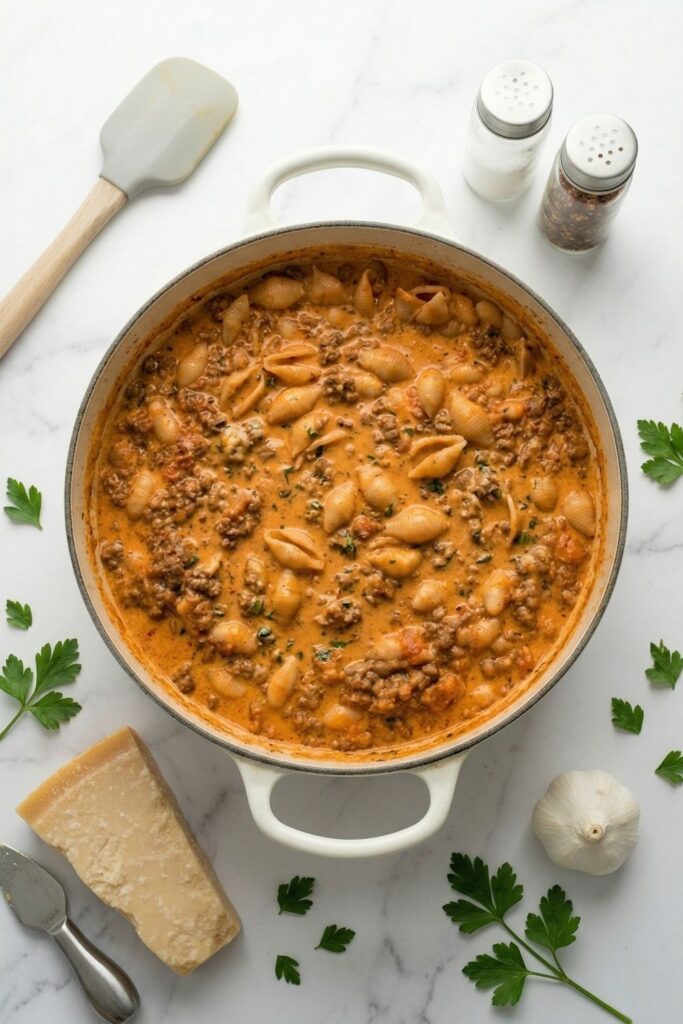
- Large Enameled Cast Iron Dutch Oven (5.5 qt+): This is non-negotiable. Enameled cast iron provides massive thermal mass. It distributes heat evenly across the entire surface area, preventing the tomato paste or the heavy pasta starches from scorching at the bottom during the 20-minute simmer.
- Digital Kitchen Scale: Volumetric cups are scientifically inaccurate due to packing density. You must weigh your pasta (336g), beef (448g), and dairy (120g) to ensure precise macro adherence for your GLP-1 tracking.
- Flat-Edged Wooden Spatula: Essential for deglazing. The firm, flat edge allows you to scrape up the fond (the browned Maillard bits) without scratching your enamel.
Step-by-Step with Sensory Details
Organize your entire payload before applying heat.
Troubleshooting Guide
Even highly calibrated protocols encounter environmental variables. Here is how to correct structural failures in real-time.
The Sauce is Too Watery After 25 Minutes:
Do not panic. Moisture loss varies drastically based on the surface area of your specific Dutch oven and your exact burner’s simmer temperature. If the sauce hasn’t thickened to a creamy, spoon-coating consistency after the 5-minute uncovered simmer, do not add flour. Simply keep the heat on medium and continue to stir continuously for another 3-5 minutes. The mechanical agitation combined with thermal evaporation will force the starches to bind.
The Pasta is Still Hard:
If the 20-minute covered mark hits and your whole wheat shells are still crunchy in the center, your simmer was likely too low, or steam escaped from a poorly fitted lid. Add exactly 1/4 cup (2oz) of warm water, replace the lid, and cook for an additional 3-4 minutes. Test a shell for al dente texture.
The Skyr or Yogurt Curdled:
Curdling happens when cold, high-protein dairy hits actively boiling liquid. The thermal shock causes the proteins to seize and separate into an unappetizing, grainy texture. Turning the heat off is non-negotiable. The pot must be off the heat source before adding the skyr. If you are highly prone to curdling, use a tempering protocol: put the skyr in a small bowl, stir in a spoonful of the hot ragú liquid to gently raise its temperature, and then pour that stabilized mixture back into the main pot.
Serving/Storage
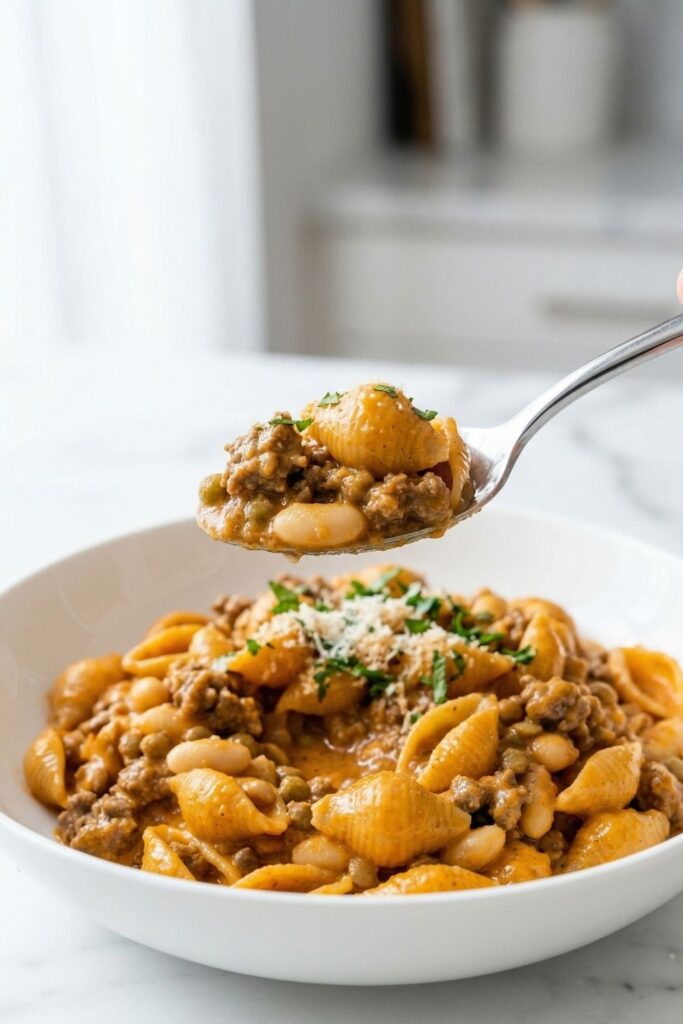
This batch strictly yields 5 servings.
- Cooling: Allow the ragú to cool uncovered at room temperature for no more than 2 hours.
- Storage: Portion into airtight glass meal-prep containers. The emulsion will remain stable in the refrigerator for up to 4 days.
- Freezing: This is a highly stable freezer prep due to the high fat and protein content. Freeze in airtight containers for up to 3 months.
- Reheating: Microwave on high for 2-3 minutes from the fridge. Always add a 1-ounce splash of water before reheating to properly rehydrate the starchy emulsion back to its original glossy texture.
FAQs
Yes. 93% lean ground turkey or ground chicken will function perfectly without altering the structural fat macros drastically. You will maintain the high-protein requirement.
Rinse and drain a standard 15oz can of plain cannellini beans. Add them to the pot along with exactly 1 cup of a high-quality, store-bought vodka sauce (like Rao’s) and 1 extra tablespoon of olive oil to mimic the lipid content.
Yes, but it fundamentally alters the biochemical response. You will lose the targeted 17g of dietary fiber per serving, resulting in a sharper glycemic spike and reduced GLP-1 satiety. White pasta also absorbs less liquid, so decrease your water input by 2 ounces.
Absolutely. Use an 8-quart stock pot and double every measurement.
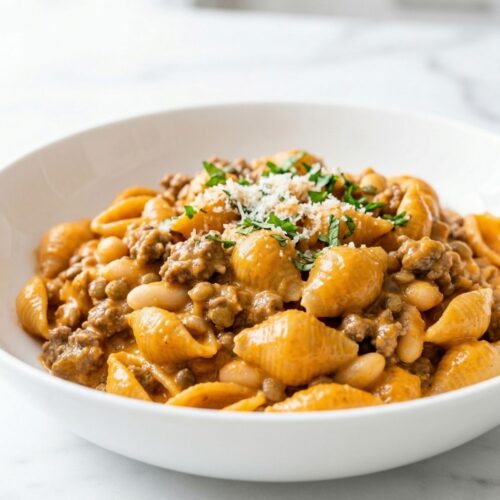
The Ultimate One Pot Beef, Bean & Lentil Ragú

Ingredients
The Aromatic Base
- 1 Tbsp 15g olive oil
- 10 cloves garlic grated
- 6 oz 170g tomato paste (1 small can)
The Protein & Legume Matrix
- 16 oz 448g 93% lean ground beef
- 1 tsp coarse salt
- 1 tsp black pepper
- 1 tsp red chili flakes
- 1 tsp Italian seasoning
- 15 oz 425g canned cannellini beans in vodka sauce (If unavailable: 15oz plain cannellini beans + 1 cup vodka sauce + 1 Tbsp olive oil)
- 15 oz 425g canned lentils, drained
The Starch & Hydration
- 12 oz 336g whole wheat pasta shells (e.g., Patagonia Provisions)
- 16 oz 450ml beef bone broth
- 12 oz 336ml water
- 2 tsp coarse salt
The Lactic Finish
- 0.5 cup 120g whole milk skyr or full-fat Greek yogurt
- 1 oz 30g Parmigiano Reggiano, grated
- Fresh cilantro basil, or parsley, chopped (for garnish)
Instructions
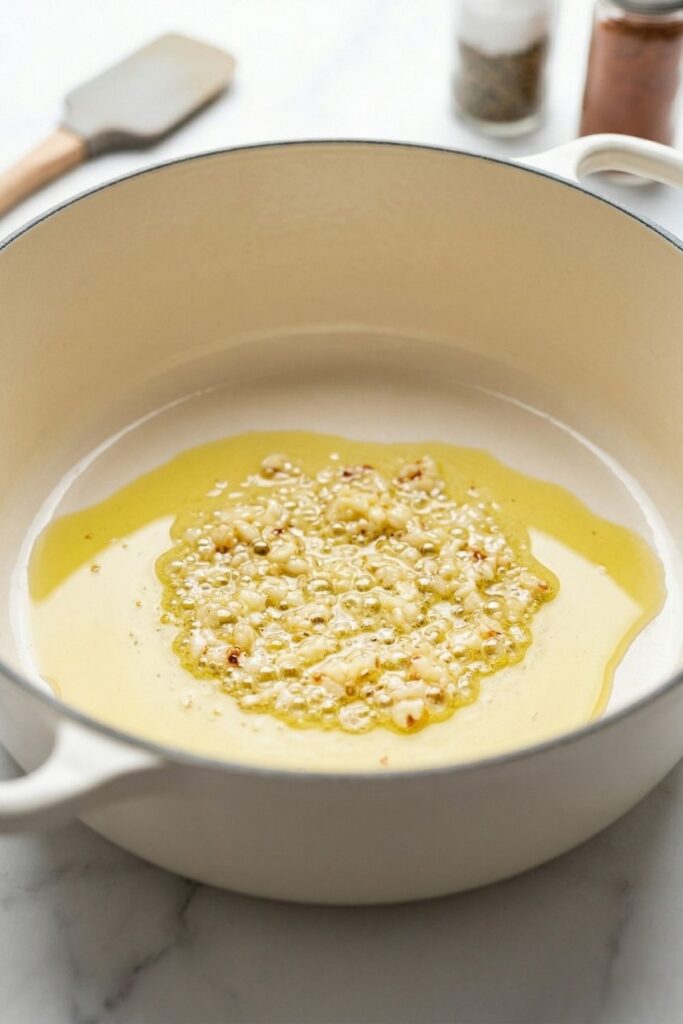
- Place your heavy-bottomed Dutch oven over medium heat. Add the 15g of olive oil. Once the oil begins to shimmer, add the 10 grated garlic cloves. Listen for a sharp sizzle and smell the pungent allicin bloom. After exactly 30 seconds, drop in the 170g of tomato paste. Spread it across the surface area and cook for 3 to 4 minutes until the paste shifts from a bright crimson to a deep, oxidized brick-red.
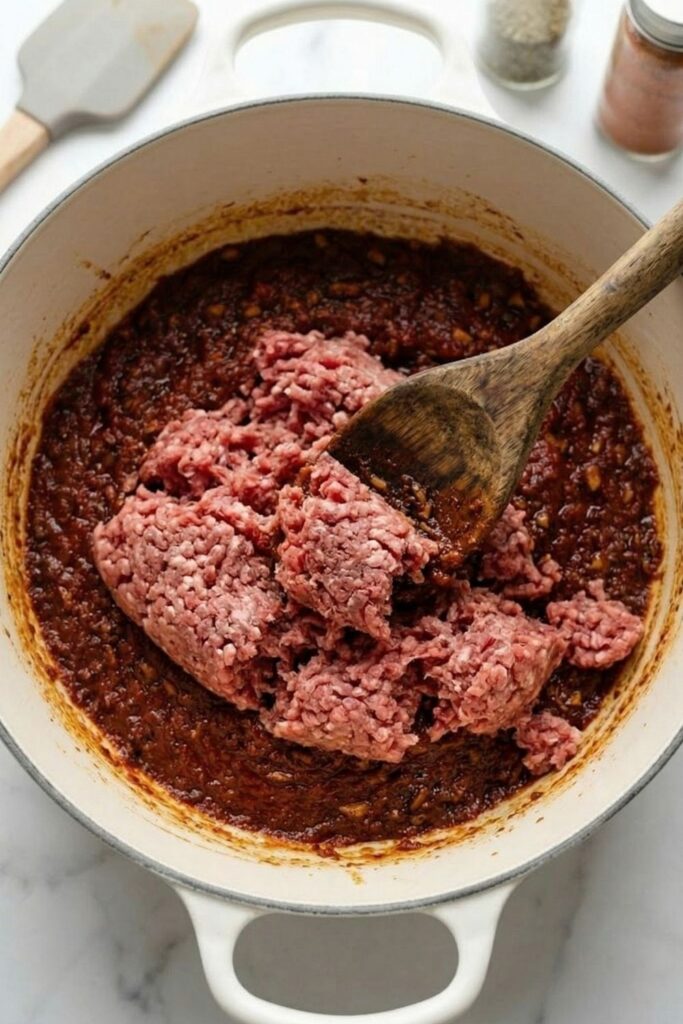
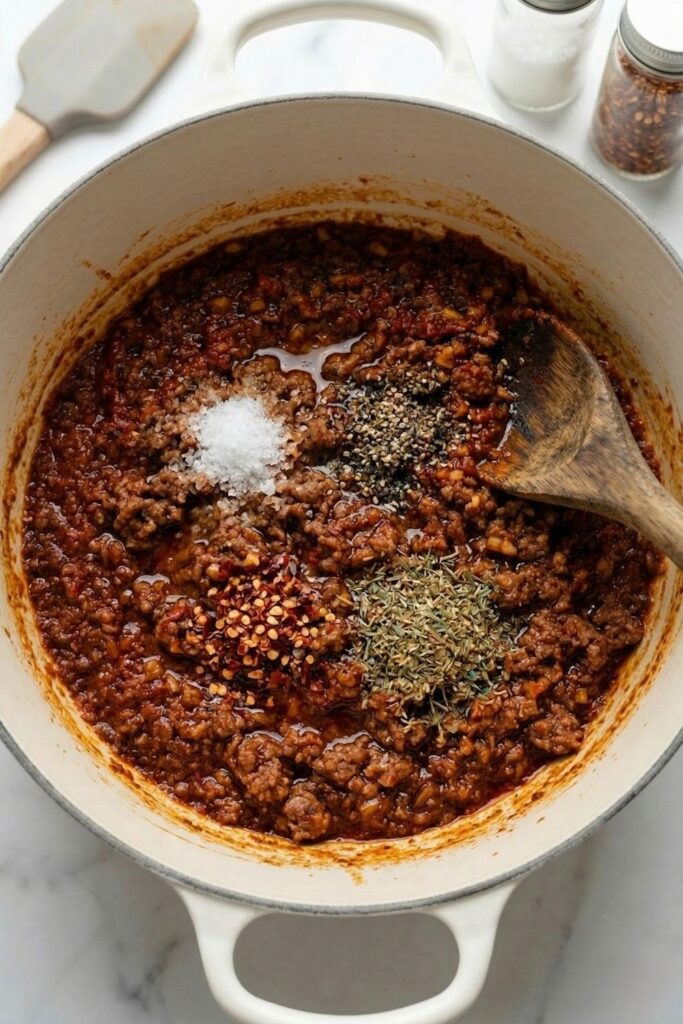
- Push the caramelized paste slightly to the side and drop in the 16oz of 93% lean beef. Using your wooden spatula, relentlessly break the beef into the smallest crumbles possible to maximize surface area for browning. Cook until no pink remains. Add the 1 tsp coarse salt, 1 tsp black pepper, 1 tsp red chili flakes, and 1 tsp Italian seasoning, allowing the dry spices to toast in the rendered beef fat.
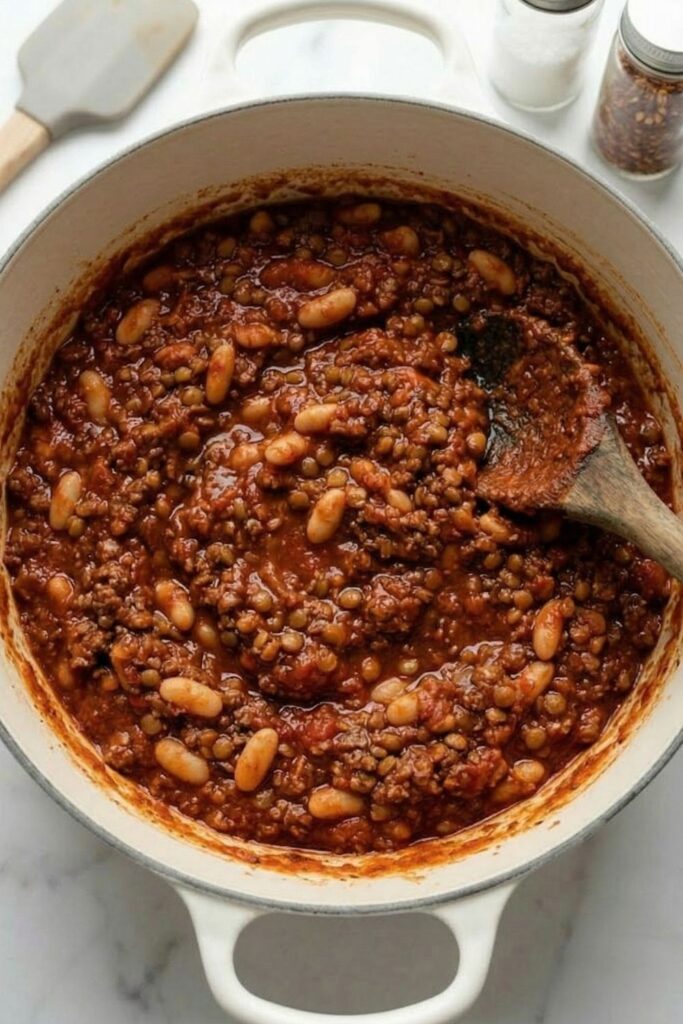
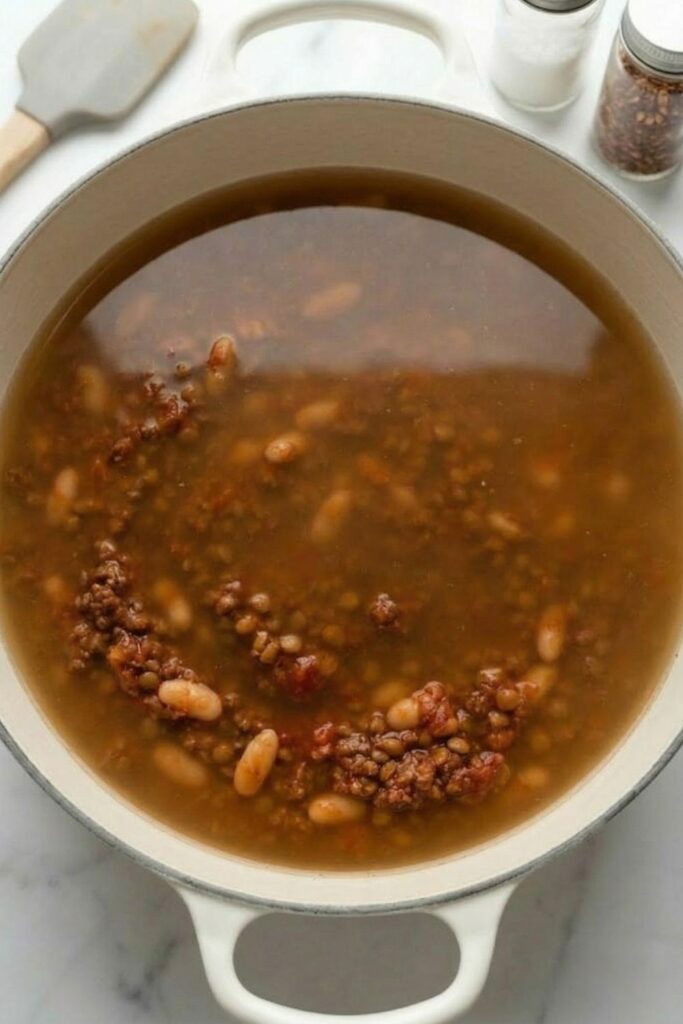
- Pour in the 15oz of cannellini beans (with sauce) and the 15oz of lentils. Stir aggressively to incorporate the heavy matrix. Pour in the 16oz of beef bone broth and 12oz of water. Add the remaining 2 tsp of coarse salt. Scrape the bottom of the pot to ensure no fond is stuck. Bring the liquid to a gentle, lazy simmer.
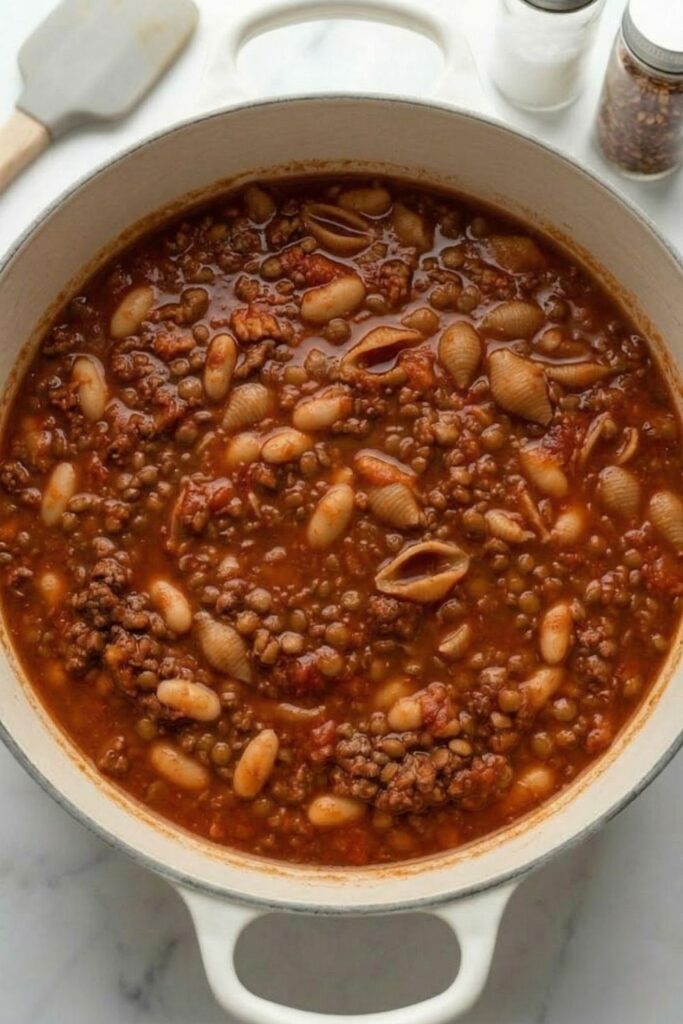
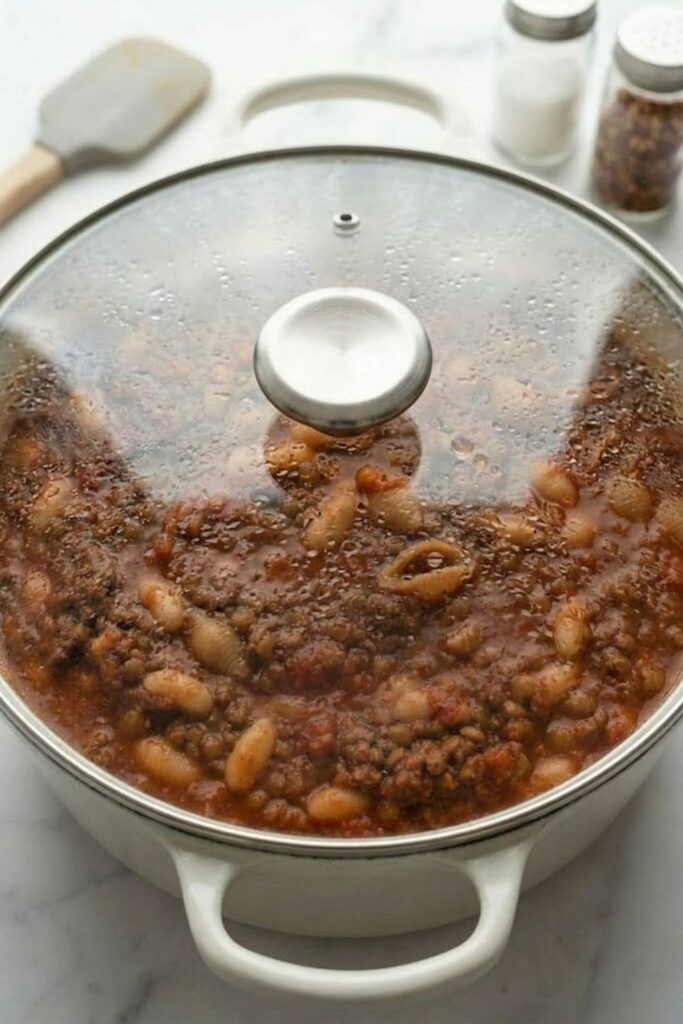
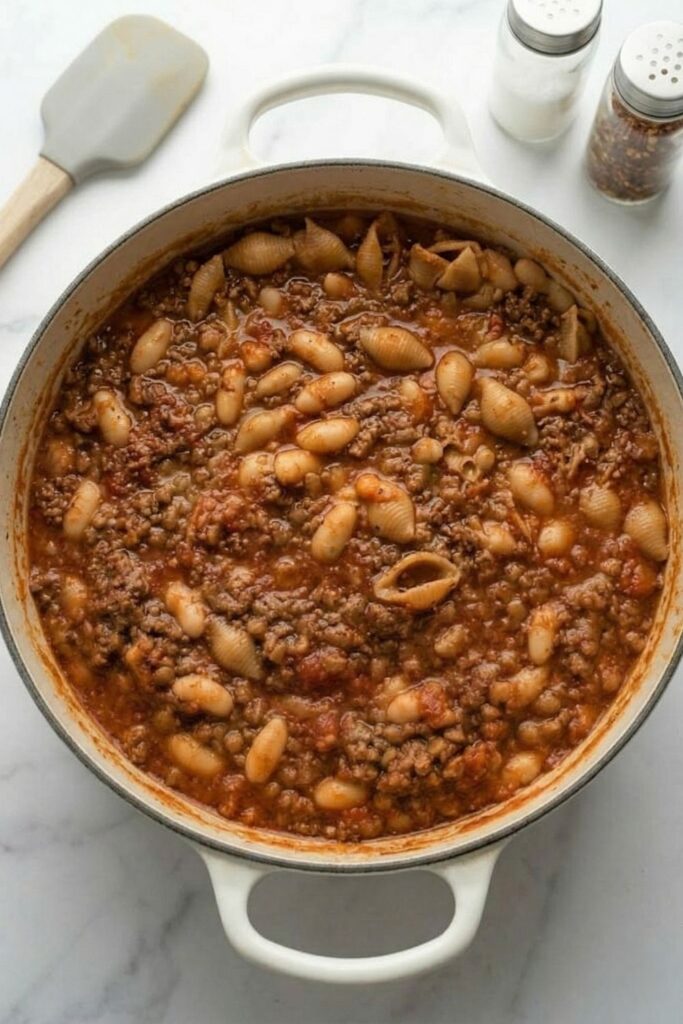
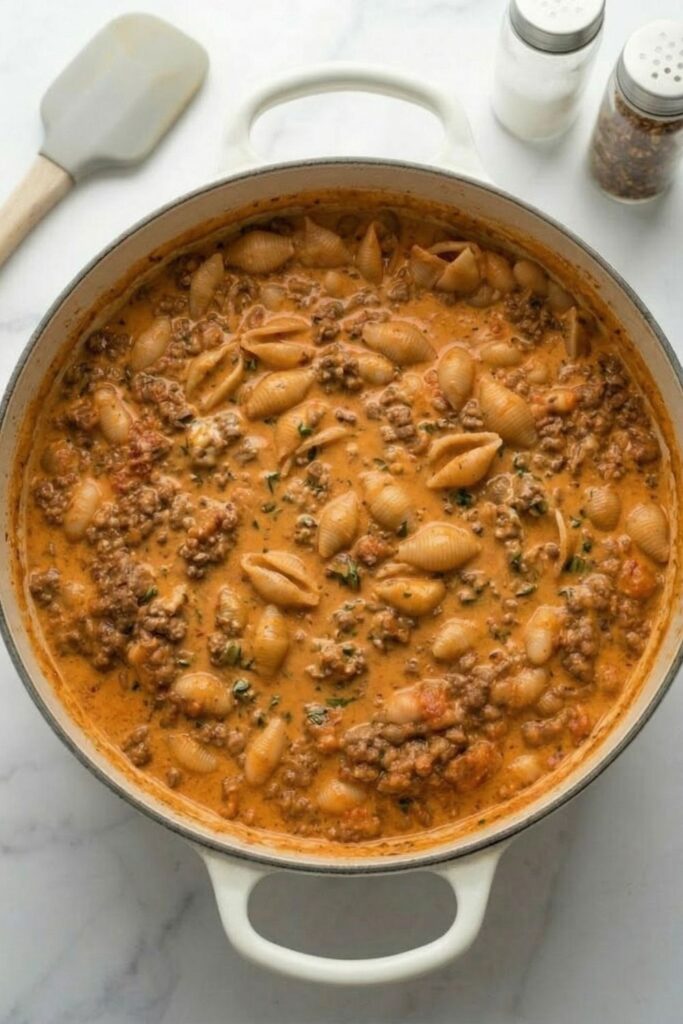
- Pour the 12oz of whole wheat shells directly into the simmering liquid. Stir once to submerge. Lock the glass lid onto the pot. Set a timer for 20 minutes and maintain a steady, gentle simmer. After 20 minutes, remove the lid. Keep the heat on and simmer uncovered for another 5 minutes. You will visually see the sauce bind and become incredibly thick and creamy as the water evaporates and the starches emulsify.
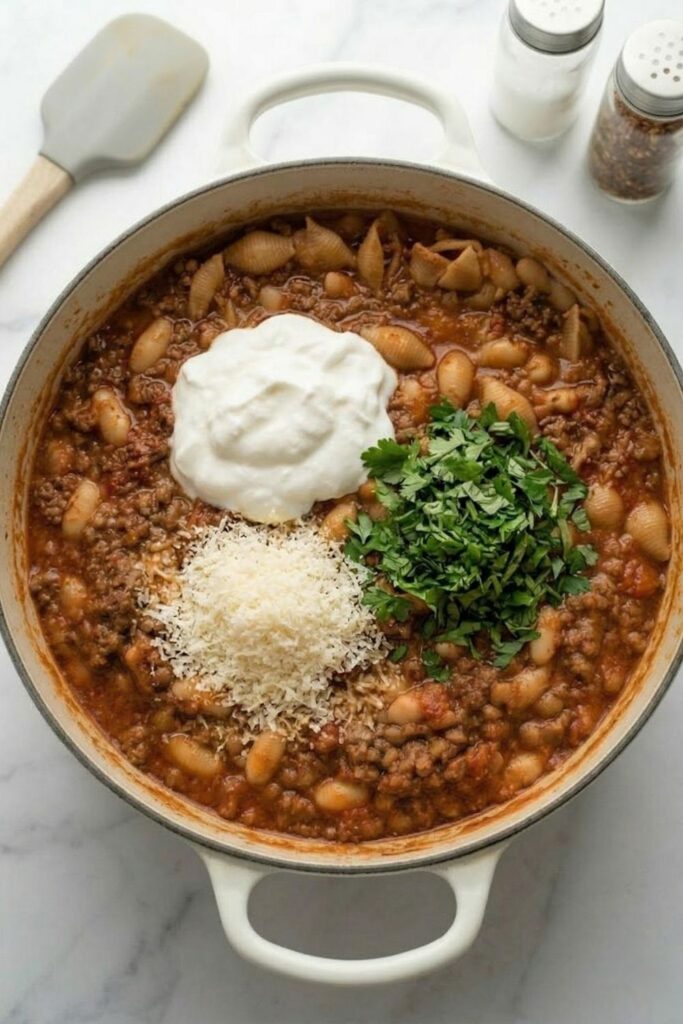
- Turn the heat completely OFF. This is a critical safety step to prevent the dairy from curdling. Add your chopped fresh herbs, the 120g of whole milk skyr, and the 30g of grated Parmigiano Reggiano. Stir vigorously until the stark white skyr melts into the deep red ragú, transforming it into a vibrant, opaque, creamy orange sauce that heavily coats the pasta shells.
Notes
- Thermal Control Warning: Do not add the skyr while the burner is on. Boiling temperatures will thermally shock the high-protein dairy, causing it to separate and curdle. The heat must be strictly off.
- Viscosity Adjustment: Moisture loss varies based on your specific Dutch oven’s surface area. If the sauce remains watery after the 5-minute uncovered simmer, simply continue stirring over medium heat for another 3 minutes until thermal evaporation forces the starches to bind.
- Storage Protocol: Transfer to airtight glass containers. Holds safely in the refrigerator for up to 4 days.
- Freezer Protocol: Highly stable for freezing. Freeze in airtight containers for up to 3 months.
- Reheating: Microwave on high for 2-3 minutes. Add a 1-ounce splash of water prior to reheating to properly rehydrate the starchy emulsion and restore the glossy texture.
Nutrition Facts
- Serving Size: 1 serving (Recipe yields exactly 5 servings)
- Calories: 660 kcal
- Carbohydrates: 80 g
- Protein: 47 g
- Fat: 17 g
- Fiber: 17 g