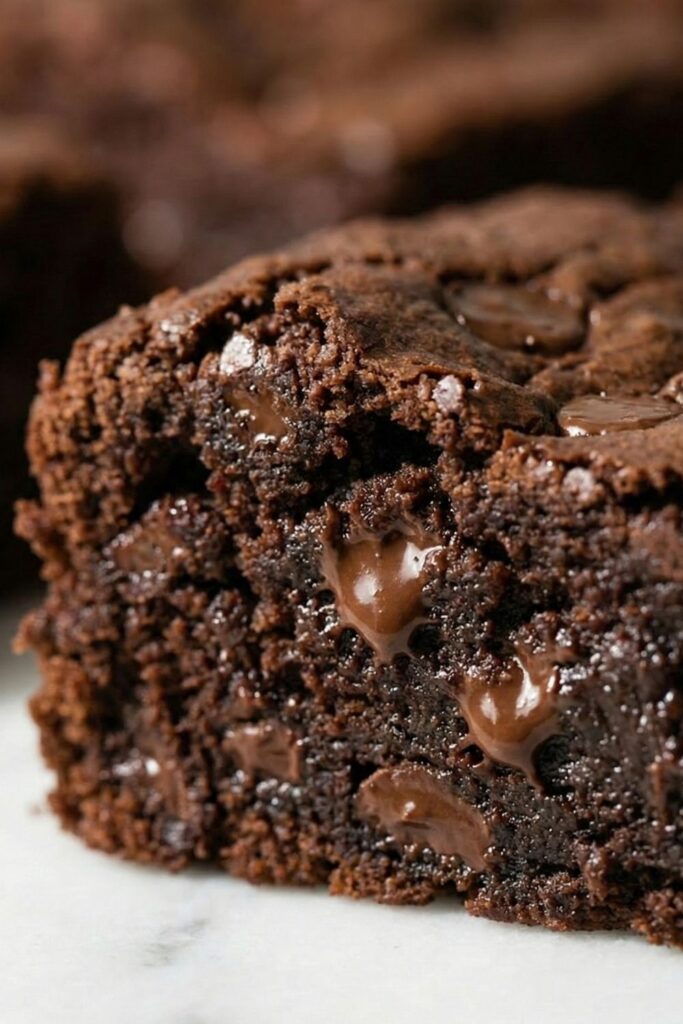
Most traditional brownies trigger catastrophic blood sugar spikes. When you consume refined white flour and processed white sugar, your pancreas floods your system with insulin, leading to reactive hypoglycemia, energy crashes, and intense sugar cravings within two hours.
Here is the bottom line.
You do not need to eliminate chocolate to manage your glucose levels. You need to re-engineer the delivery system. This protocol utilizes exactly three high-utility ingredients to create a dense, fudgy brownie that actively stabilizes blood sugar. By leveraging the natural macro-nutrient profile of roasted peanuts and the specific fiber structures in overripe fruit, we completely eliminate the need for refined grains. This is not a fluffy cake. This is a highly functional, high-protein, high-fiber matrix designed to slow gastric emptying while delivering intense, dark chocolate satisfaction.
Let’s look at the data.
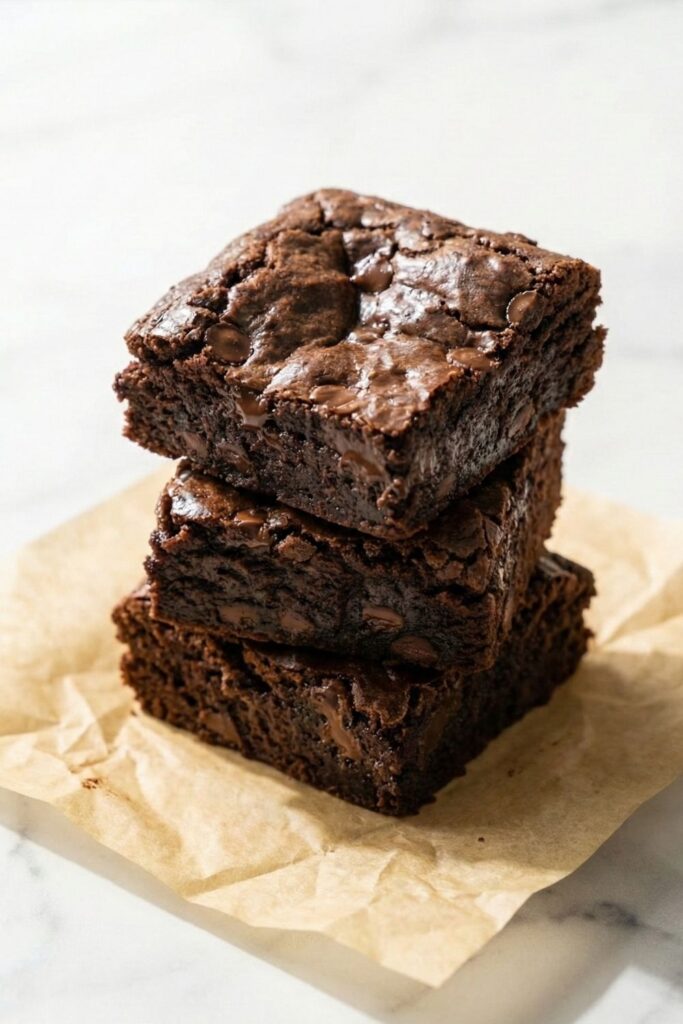
The Science/Why: Controlling the Glycemic Load
When we remove all-purpose flour from a baking formula, we remove the primary source of rapid-digesting simple carbohydrates. Traditional flour has a high glycemic index (GI), meaning it converts to glucose almost immediately upon entering the bloodstream.
Why does this matter?
By replacing flour with a lipid-and-protein-dense base, we fundamentally alter the metabolic response. The 1/2 cup of creamy peanut butter acts as the crucial fat source. Lipids slow down the digestive process. When fat is consumed alongside the natural fructose present in the bananas, it prevents that sugar from rapidly crossing the intestinal wall.
But it gets better.
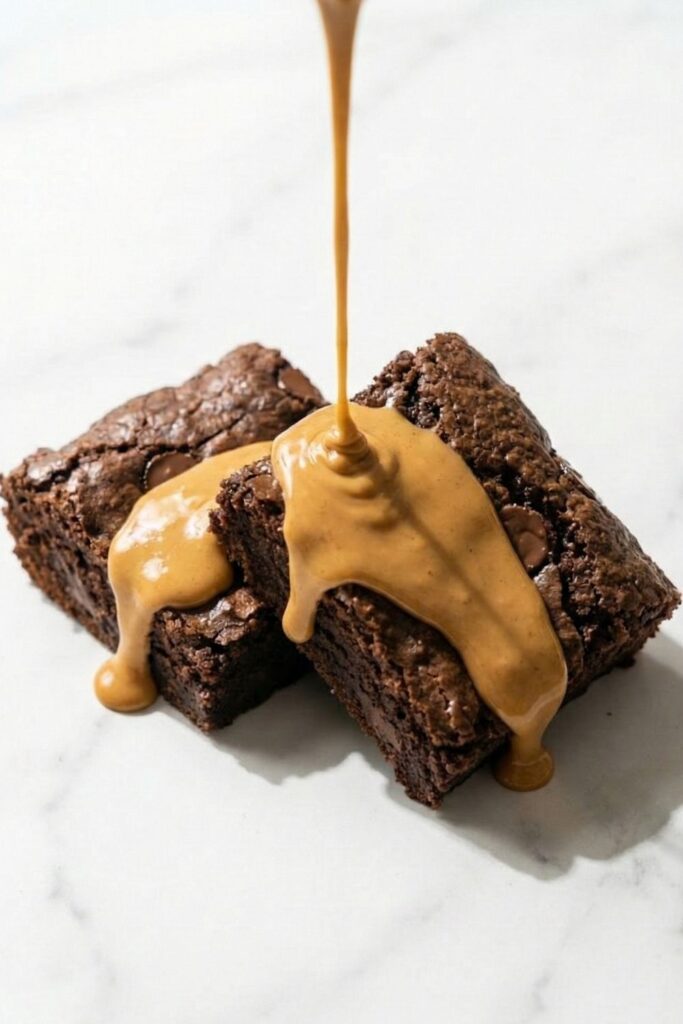
The bananas provide essential soluble fiber, specifically pectin. As bananas ripen and develop brown spots, their starch converts to sugar, but the pectin remains. This soluble fiber binds with water in your digestive tract, creating a gel-like substance that further delays sugar absorption.
Furthermore, the 1/3 cup of cocoa powder introduces a massive dose of flavonoids and additional dietary fiber. Cocoa is notoriously dry because of its high cellular density. During the baking process, the cocoa powder absorbs the moisture from the bananas, replacing the structural network normally provided by gluten. The result is a chemically stable, dense crumb that requires zero leavening agents (like baking powder or soda) because we are not trying to create a rise. We are engineering a concentrated fudge block.
Ingredient Deep Dive: The Chemical Breakdown
Every component in this matrix serves a strict mechanical and nutritional purpose. Do not make substitutions without understanding the chemistry.
1. The Moisture Base: 3 Large Overripe Bananas
- The Stats: Bananas consist of about 75% water. When heavily spotted, the starch-to-sugar ratio shifts dramatically, providing 100% of the sweetening power for this recipe.
- The Function: The bananas replace both the eggs and the sugar found in standard recipes. The water content creates the steam necessary to cook the cocoa powder, while the natural sugars undergo a mild Maillard reaction on the surface during baking, creating a slight crust.
Listen closely.
2. The Structural Fat: 1/2 Cup Creamy Peanut Butter
- The Stats: Standard natural peanut butter contains roughly 50% fat and 25% protein. You must use a brand containing only peanuts and salt.
- The Function: The oils in the peanut butter coat the proteins and cocoa particles, preventing them from drying out in the oven. This high lipid content is exactly what gives the brownie its signature “chewy” mouthfeel. Added commercial oils or emulsifiers will disrupt this delicate balance and cause the batter to separate under high heat.
3. The Drying Agent: 1/3 Cup Cocoa Powder
- The Stats: Cocoa powder is incredibly absorbent. Dutch-processed cocoa has been washed with a potassium carbonate solution that neutralizes its natural acidity (raising the pH to around 7).
- The Function: This neutral pH provides a smoother, darker flavor profile. Because we are using no baking soda (which requires an acid to activate), the pH of the cocoa does not impact leavening. It acts purely as a structural sponge, pulling the loose moisture from the bananas into a solid matrix.
Equipment Clinic: Thermal Dynamics
Your hardware dictates your final texture.
- The 8×8-Inch Square Baking Pan: This exact dimension is non-negotiable for this batter volume. It creates a surface-area-to-volume ratio that allows the edges to set perfectly while insulating the center just enough to keep it fudgy. Using a 9×9 pan will spread the batter too thin, resulting in immediate overbaking and a dry, brittle texture.
- Heavy-Bottomed Glass Mixing Bowl: Glass provides excellent thermal mass. When mixing thick, dense batters, a heavy glass bowl will not slide across your counter, ensuring you can apply the necessary mechanical force to fully emulsify the peanut butter into the bananas.
- Parchment Paper: This is a chemical necessity. Because this recipe lacks the standard structural integrity of gluten, trying to pry it out of a greased pan will result in total structural collapse. You must use a parchment sling to lift the entire block out once cooled.
Step-by-Step Guide
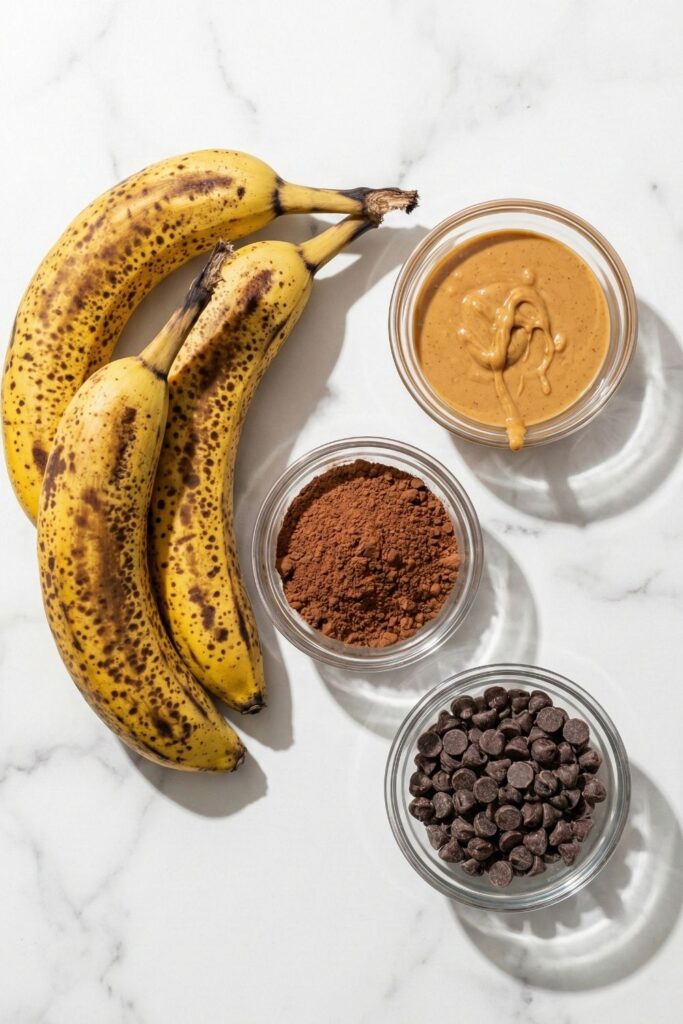
Follow these mechanical steps with absolute precision to ensure proper batter emulsification.
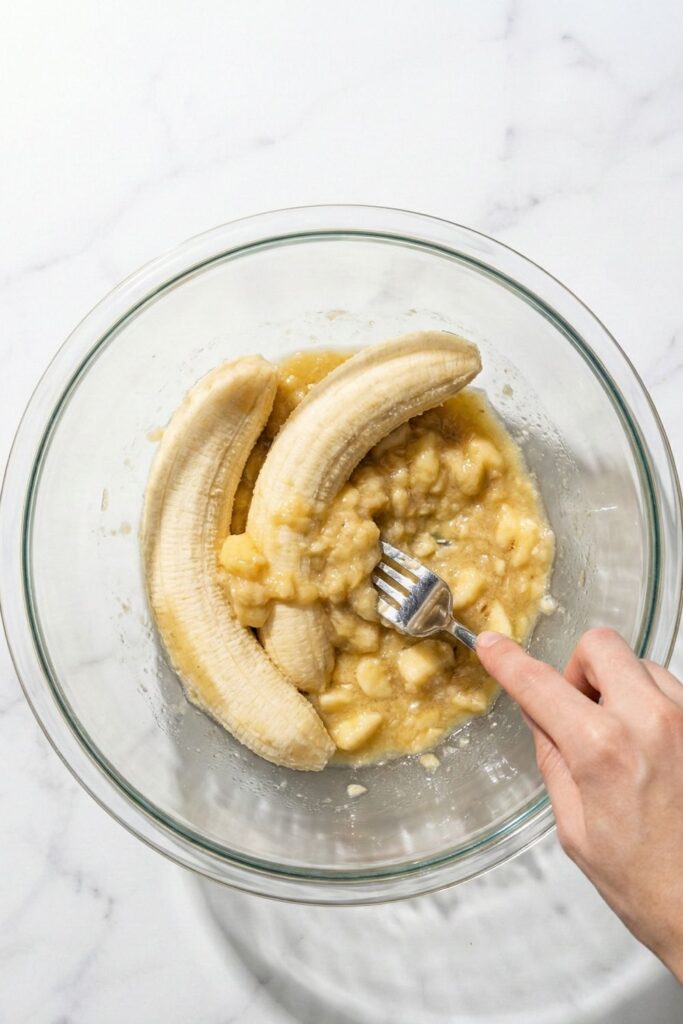
Begin by peeling the 3 heavily spotted bananas into your glass bowl. Apply firm, downward pressure with a silver fork. You are aiming for total structural breakdown. The sensory cue here is visual and auditory: the mixture should look like a wet, chunky puree, and you should hear a distinct “squishing” sound. Stop mashing when no lumps larger than a pea remain.
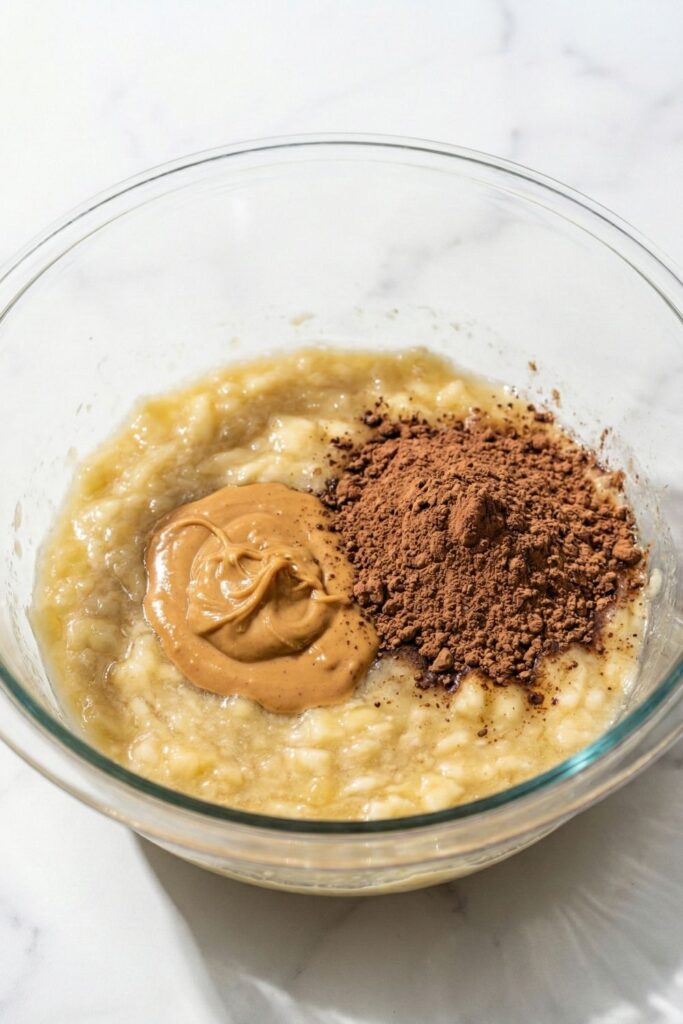
Deposit the 1/2 cup of creamy peanut butter and the 1/3 cup of cocoa powder directly on top of the banana puree.
Here is the critical moment.
Use a firm silicone spatula to press the dry cocoa into the wet ingredients. The batter will initially look dry and dusty. Continue folding.
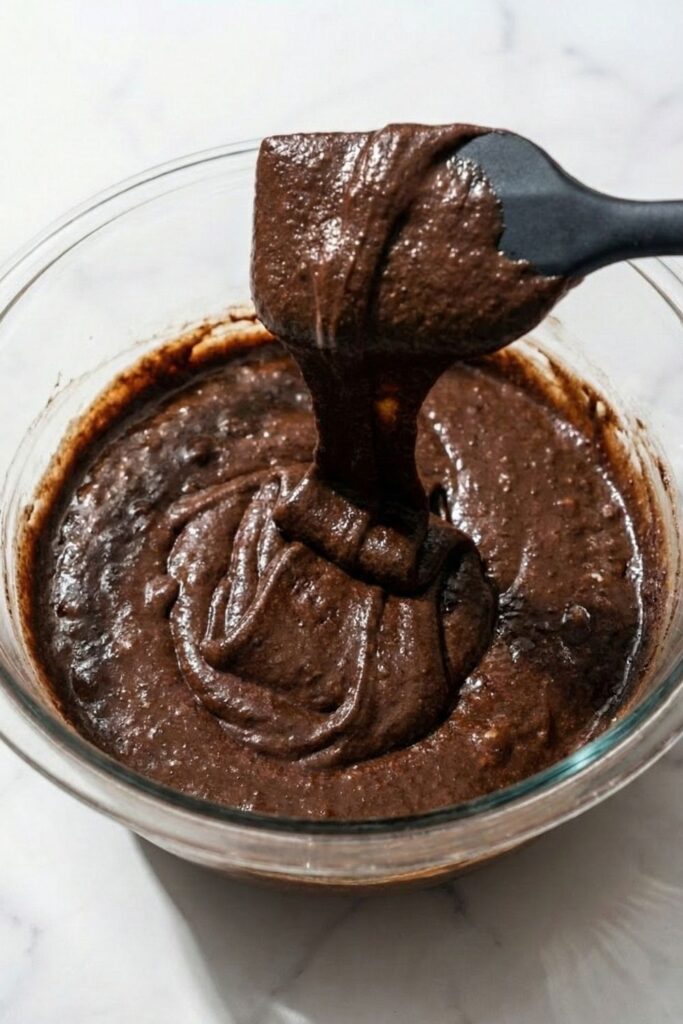
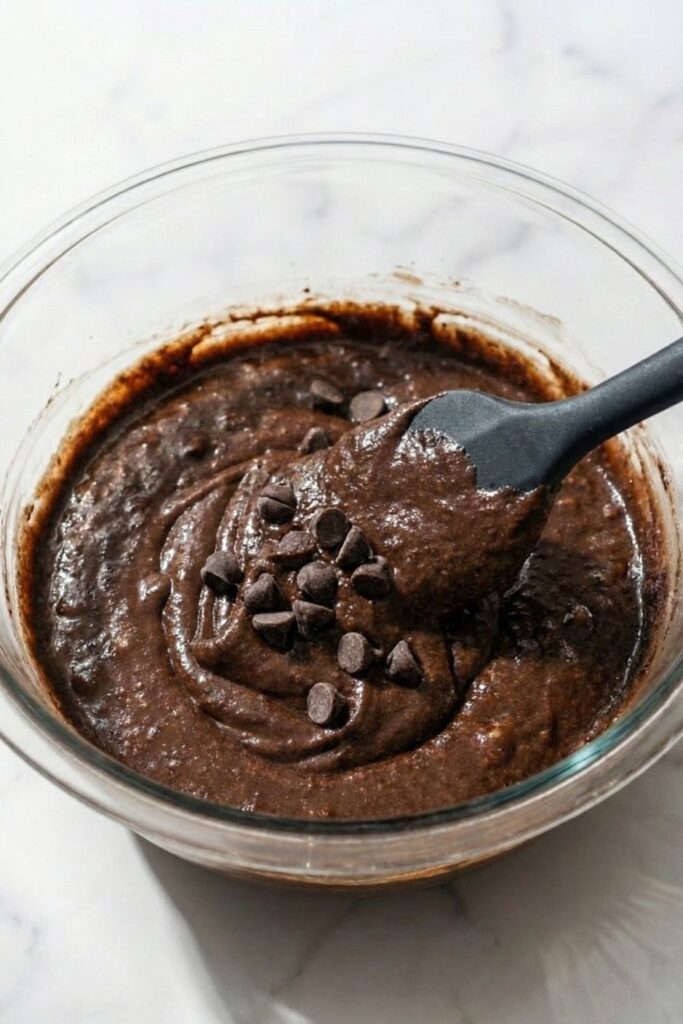
Add the optional 1/2 cup of chocolate chips. Use a folding motion scraping the bottom of the bowl and pulling the batter over the top to distribute the chips evenly without incorporating excess air.
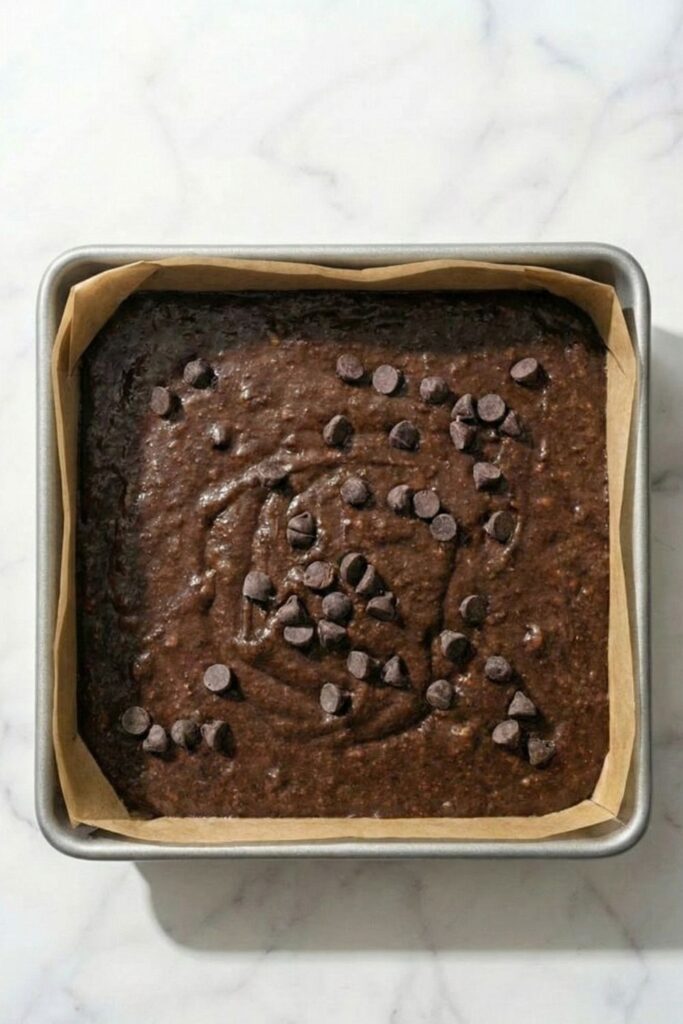
Scrape the heavy batter into your parchment-lined 8×8 pan. Because there is no gluten to relax, the batter will hold its shape. You must manually push the batter into the corners using the back of your spatula, ensuring a perfectly level, flat surface. Top with some chocolate chips (optional)
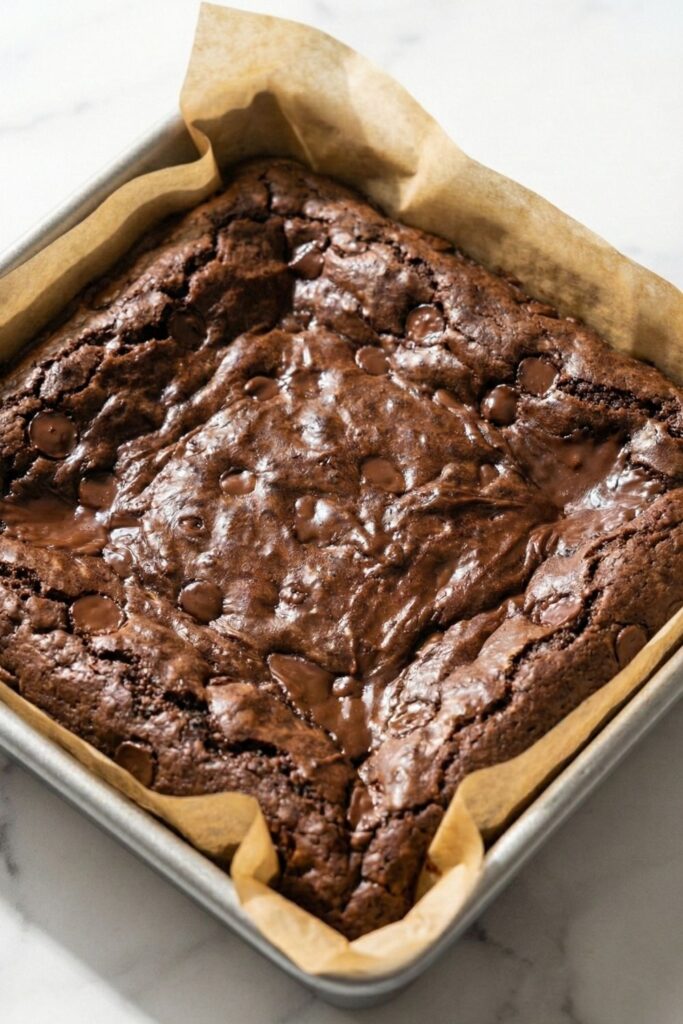
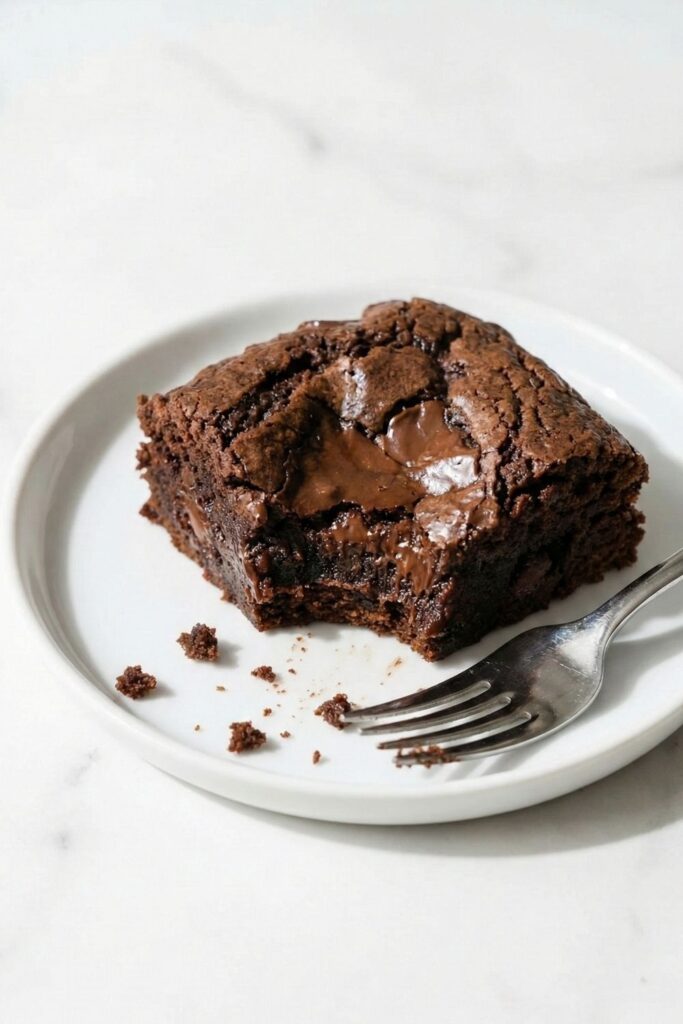
Place into a 350°F oven for exactly 18 to 22 minutes.
Watch for the visual cues.
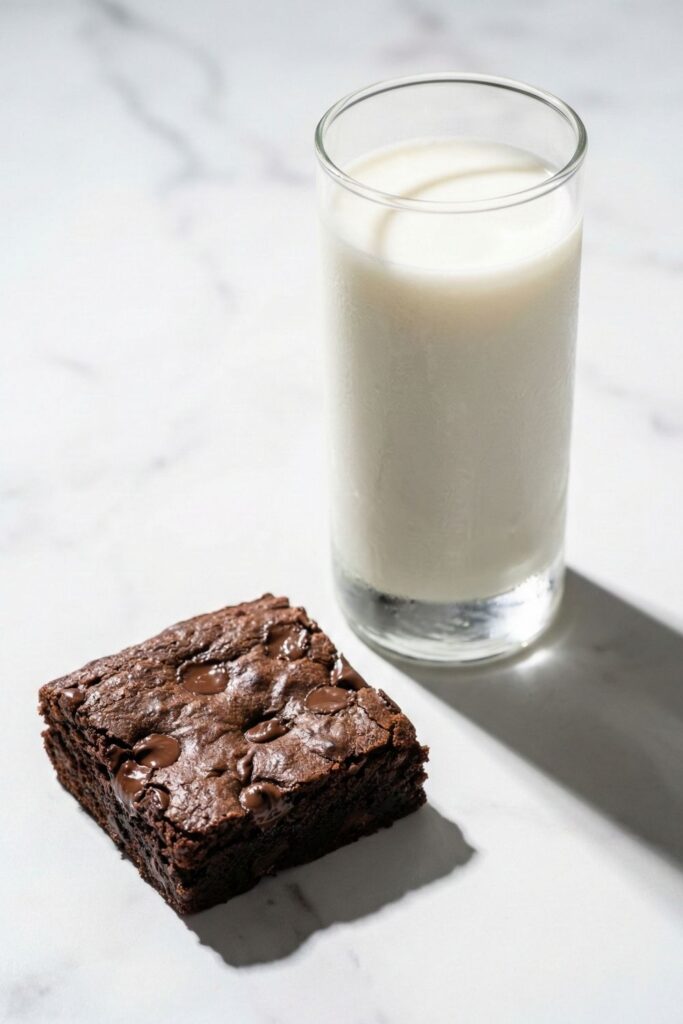
The edges will pull away from the parchment paper by about one millimeter. The surface will lose its wet gloss and take on a matte finish. When a toothpick is inserted directly into the center, it should not come out clean; it must come out with moist, thick crumbs attached.
If you love recipes like this check out my 3-Ingredient Banana Oatmeal Cookies
Troubleshooting Guide: Failure Analysis
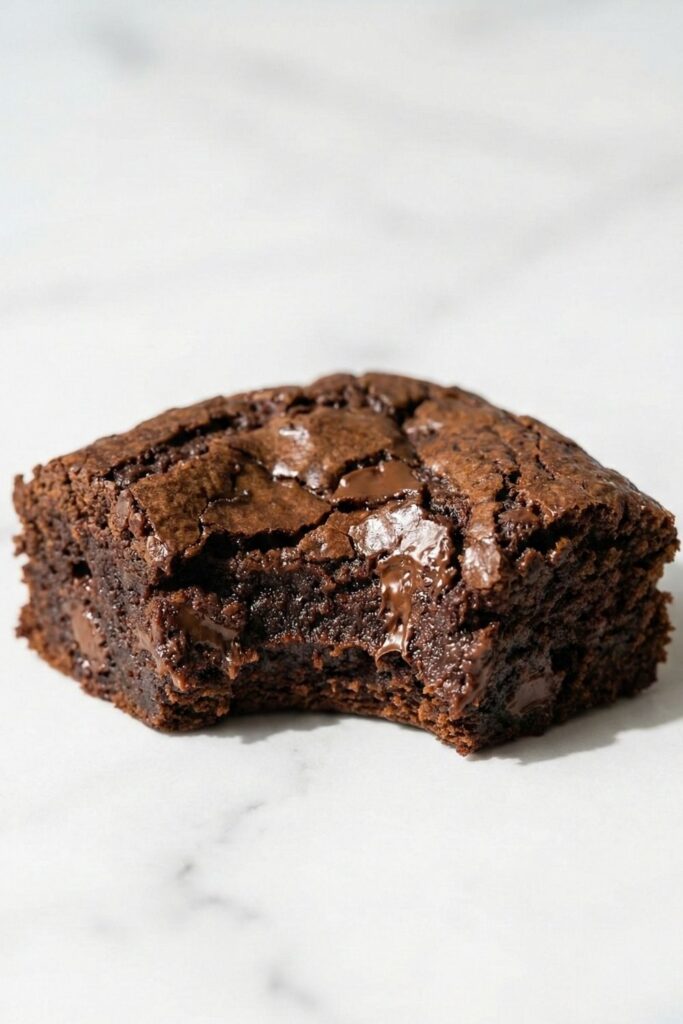
If your final product deviates from the hero shots, one of the following chemical failures occurred.
The Batter Separated into an Oily Mess
- The Cause: You used conventional, highly processed peanut butter containing added palm oil and hydrogenated fats. Under 350°F heat, these artificial emulsifiers break down, causing the oil to pool on the surface of your brownies.
- The Fix: You must use 100% natural peanut butter. If your natural peanut butter has separated in the jar, stir it vigorously until it is a homogenous, creamy liquid before measuring your 1/2 cup.
The Brownies are Dry and Crumbly
- The Cause: Two potential errors. First, you used yellow or green bananas. Unripe bananas consist of rigid starches that refuse to release moisture into the cocoa powder. Second, you exceeded the 22-minute bake time, evaporating the critical water content.
- The Fix: Only use bananas that are covered in dark brown spots. Pull the pan from the oven while the center still looks slightly under-baked. Carry-over cooking will finish the process as it cools.
Total Structural Collapse When Cutting
- The Cause: You sliced the matrix while it was still hot. Without flour to hold it together, the hot lipids and melted chocolate chips offer zero structural integrity.
- The Fix: Total patience. The block must cool to room temperature (minimum 2 hours) before your knife touches it.
Serving and Storage Protocol
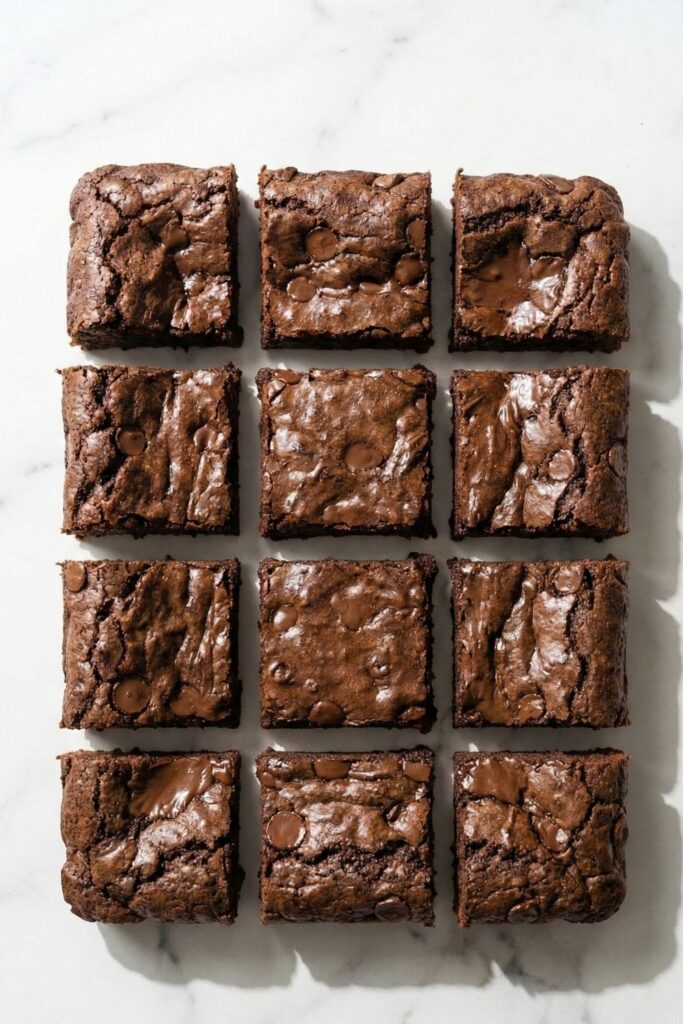
Once completely cooled, grip the parchment paper overhang and lift the entire block onto your white marble surface. Use a heavy, sharp chef’s knife to press straight down do not saw to create 9 perfect squares.
Due to the high moisture content of the fruit, these cannot be stored like standard baked goods. Place them in a completely airtight container. They will remain stable at room temperature for 48 hours. After that, move them to the refrigerator. The cold temperature will induce mild starch retrogradation, making the brownies even denser and fudgier for up to 7 days.
Frequently Asked Questions
Yes. Almond butter, cashew butter, or sunflower seed butter will work seamlessly, provided they are natural and creamy. The lipid profiles are similar enough to maintain the structural emulsion.
Yes. By eliminating eggs and dairy, this recipe is naturally vegan. If you are adding the optional 1/2 cup of chocolate chips, ensure you purchase a certified vegan brand that uses cocoa butter instead of milk fat.
No. Adding maple syrup or honey alters the liquid-to-dry ratio, resulting in a boiling, soupy mess in the oven. You cannot rush the banana ripening process for this exact chemical formula.
The High-Fiber 3-Ingredient Brownie Protocol

Ingredients
- 3 large bananas Must be overripe and heavily spotted for maximum natural sweetness and pectin breakdown
- 1/2 cup peanut butter Must be creamy, 100% natural, containing only peanuts and salt; do not use stabilized brands
- 1/3 cup cocoa powder Dutch-processed or dark cocoa preferred for a neutral pH and deeper color
- 1/2 cup chocolate chips Optional, use semi-sweet or dark; ensure they are dairy-free if maintaining a strict vegan matrix
Instructions
- Preheat your oven to 350°F. Line an 8×8-inch square baking pan with parchment paper, ensuring there is enough overhang on the sides to act as a sling for structural removal later.
- Peel the 3 large overripe bananas into your heavy-bottomed glass mixing bowl. Using a fork, apply firm downward pressure to mash the fruit until it breaks down into a wet, chunky puree. Stop when no lumps larger than a pea remain.
- Add the 1/2 cup of creamy natural peanut butter and the 1/3 cup of cocoa powder directly on top of the banana puree. Use your silicone spatula to firmly fold and press the dry cocoa into the wet ingredients. Continue mixing until the lipids bind with the water, creating a thick, dark, and glossy batter with high resistance.
- Pour the 1/2 cup of chocolate chips into the bowl. Gently fold the batter, scraping the bottom and pulling it over the top, until the chips are evenly distributed throughout the matrix.
- Scrape the heavy batter into your parchment-lined pan. Because there is no gluten, the batter will not level itself. Manually press the batter flat into all four corners using the back of your spatula to create a perfectly level surface. Top with some chocolate chips (optional)
- Bake at 350°F for exactly 18 to 22 minutes. Remove the pan from the oven when the edges have pulled away from the parchment paper by about one millimeter and the surface has a matte finish. A toothpick inserted into the center must come out with moist, thick crumbs attached, not perfectly clean.
- Do not cut while hot. Allow the brownie block to cool completely to room temperature in the pan (minimum 2 hours). Once cooled, use the parchment overhang to lift the block onto a cutting board. Press straight down with a sharp chef’s knife to yield 12 perfect squares.
Notes
- Storage Protocol: Place the fully cooled squares in a completely airtight container. They are shelf-stable at room temperature for up to 48 hours. After 48 hours, transfer them to the refrigerator for up to 7 days. The cold environment will induce mild starch retrogradation, making the crumb structure even denser.
- Failure Warning (Fat Separation): Do not substitute the natural peanut butter with conventional, highly processed brands containing palm oil, hydrogenated oils, or added sugar. The artificial emulsifiers will break down under the 350°F heat, causing the lipids to separate and pool on top of the brownies.
- Nut Butter Substitutions: You may swap the peanut butter for an equal volume (1/2 cup) of all-natural creamy almond butter, cashew butter, or sunflower seed butter. The structural chemistry will remain perfectly intact.
Equipment
WPRM Nutrition Details (Per 1 Square)
- Serving Size: 1 brownie square (1/12th of the batch)
- Calories: 94 kcal
- Carbohydrates: 19 g
- Protein: 3.5 g
- Fat: 10.6 g
- Saturated Fat: 3.5 g
- Polyunsaturated Fat: 1.7 g
- Monounsaturated Fat: 3.5 g
- Sodium: 62 mg
- Potassium: 270 mg
- Fiber: 3.5 g
- Sugar: 7 g
- Calcium: 12 mg
- Iron: 1.7 mg